




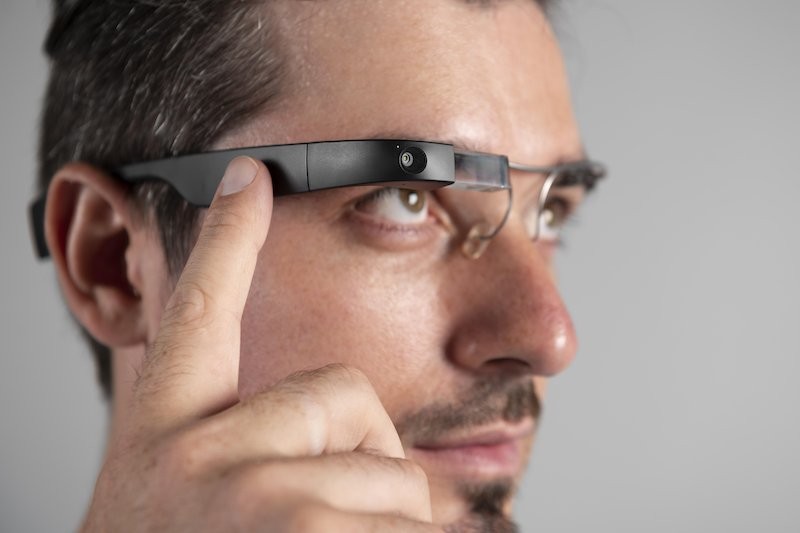
A Taiwanese study of a novel wearable augmented reality (AR) system delivering standardised oculomotor stimuli with real-time eye tracking demonstrated feasibility with portable vestibular assessment in patients with vertigo.
Vertigo commonly arises from benign vestibular dysfunction but acute vestibular syndrome may be attributable to a central cause, such as stroke (approximately 10% of cases), according to researchers. Nystagmus analysis is key to differentiating these disorders, yet conventional video-oculography (VOG) requires specialised laboratories and personnel, limiting access.
To tackle this clinical bottleneck, the AR glasses feasibility study demonstrated diagnostic consistency comparable to VOG, particularly in ruling out central abnormalities, researchers said. Their results aligned with recent AR-based HINTS (head impulse, nystagmus, test of skew) assessments using head-mounted devices and smartphone nystagmus apps, with approximately 82% sensitivity, they said.
Patient tolerance was favourable, with no significant discomfort, consistent with prior AR studies. One participant with prior cataract surgery could not be calibrated, likely due to altered ocular optics, underscoring the need for adaptive algorithms, they noted.
“Unlike stationary VOG laboratories, wearable AR systems are deployable in clinics, emergency care, or telemedicine, enabling point-of-care testing without specialised infrastructure. With automated guidance, real-time tracking and potential artificial intelligence integration, they may reduce reliance on experts and support decision-making,” they wrote.
The single-centre pilot with one clinician and small sample size (n=8) requires multicentre validation to confirm generalisability, they concluded.