






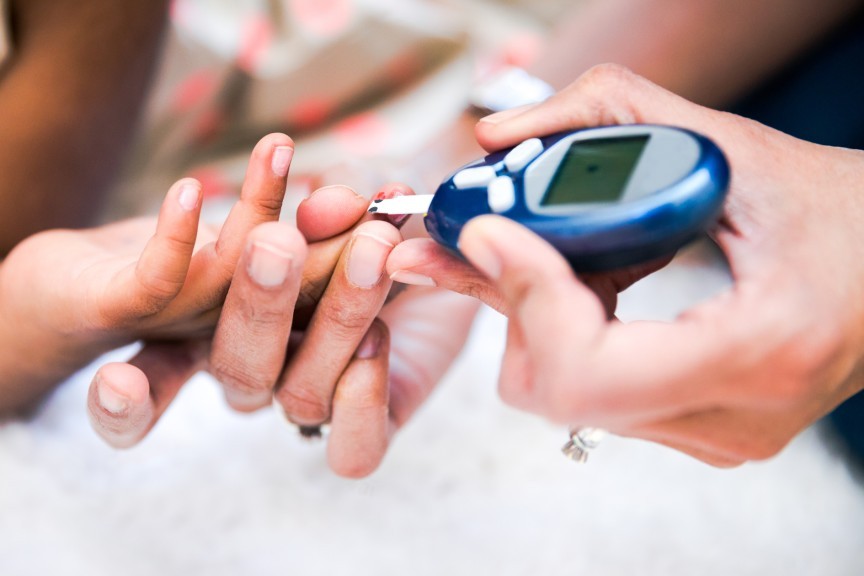
A South Auckland pilot programme found community pharmacists, working with general practice nurses, significantly lowered and sustained blood glucose levels in patients with type 2 diabetes (T2D).
The initiative was run by Counties Manukau Health with Ministry of Health funding, with results published in the Journal of Primary Healthcare. The paper describes 26 early enrollees with long-term follow-up from a total cohort of about 60. Participants’ average HbA1c dropped from 97.6mmol/mol to 72.4mmol/mol, an average reduction of 25.2mmol/mol (20.7mmol/mol for Māori and Pasifika participants), with 85% of patients’ blood glucose improving by at least 5mmol/mol.
Lead author Dr Natalie Gauld, honorary senior lecturer in pharmacy at the University of Auckland, said rates of newer diabetes drug use, including empagliflozin (Jardiance) and dulaglutide (Trulicity), were higher than in comparable New Zealand studies. “We’d love to see a larger trial with more pharmacies and a comparison group,” she said. “Having a pharmacist mentor would help build confidence and support pharmacists in this new way of working.”
One participating pharmacist, Unichem Tuakau Pharmacy’s Carole Baxter, said she told one patient what he would need to do, including lifestyle changes, moving more, improving his eating and taking his medications. “Whatever we said, he did. He ended up not needing to take any medications,” she said. Baxter believes the pilot showed diabetes patients really need a coach: “It was often simple things, like finding people weren’t testing regularly because they had left their meter at a tāngi or moved house and couldn’t find it – issues that were easily resolved.”
Paper co-author Dr Sue Tutty, GP liaison at Counties Manukau, said the pilot showed how small, team-based interventions could markedly improve T2D outcomes. Researchers recommended scaling-up the pharmacist-nurse model with mentoring, improved integration and greater Māori and Pacific community involvement.
Asked whether optometrists might be included in similar future studies, Dr Gauld said that would be worth discussing but questioned how often a patient with T2D sees their optometrist and whether they can do so without an appointment. “The optometrist is certainly able to encourage someone to look after their diabetes to prevent damage to their eyes but I do not see they would be the experts on medicines for diabetes as pharmacists often can be, nor would they be able to do quick five-minute interventions when they see the person popping in each month, as can happen in the pharmacy,” she said.
However, the optometrist does get a good amount of time with the person in close contact, so can make more of that time to talk about diabetes, she added.