






Evidence from animal and human studies confirms outdoor time as a key component of delaying myopia onset, although the underlying mechanisms require further research, according to the International Myopia Institute (IMI).
The new open-access white paper, ‘The role of light in refractive development and myopia: evidence from animal and human studies’, published in Investigative Ophthalmology & Visual Science, provides a comprehensive review of how light exposure influences eye growth, summarising decades of research, IMI said.
Outdoor time remains one of the most consistent protective factors against myopia onset in children, but the mechanisms behind this effect are not yet fully understood, IMI said. “With growing interest in light-based therapies, the paper stresses that most remain experimental and highlights the critical need for well-designed clinical studies.”
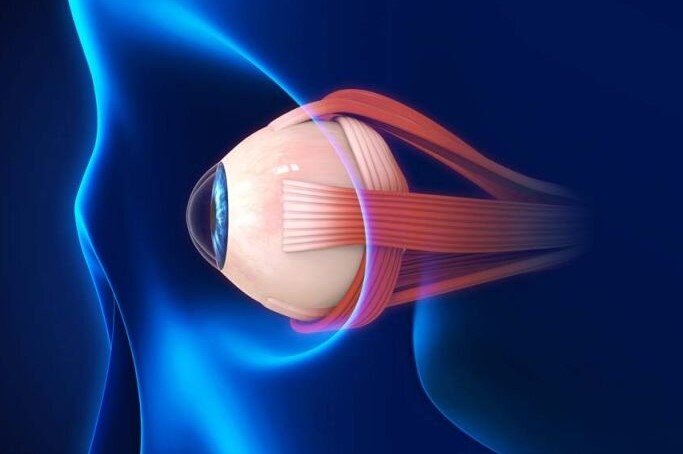
Key insights from the paper include: bright light exposure influences eye growth through retinal dopamine pathways, acting as a 'brake' on excessive axial elongation, a core driver of myopia development (animal-model evidence); outdoor light intensity (>1,000 lux) is associated with a less myopic refraction, although disentangling the role of light from other outdoor factors is difficult (human evidence); chromatic signals appear to play an important role in eye growth. Although species differences exist, studies in animal models show that narrow-band light significantly influences refractive development; red-light and other chromatic light-based therapies are under investigation, but most remain experimental; long-term efficacy and/or safety are not yet established.
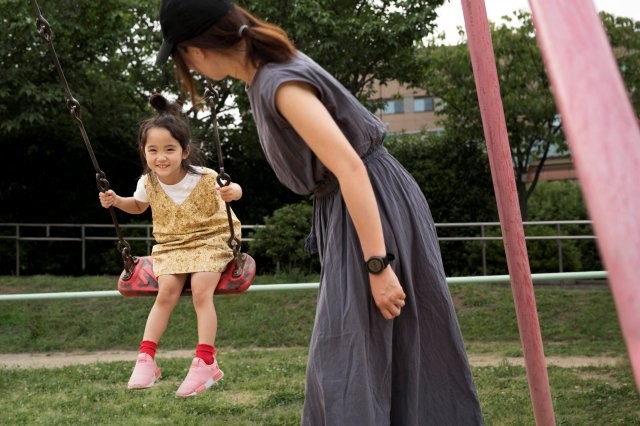
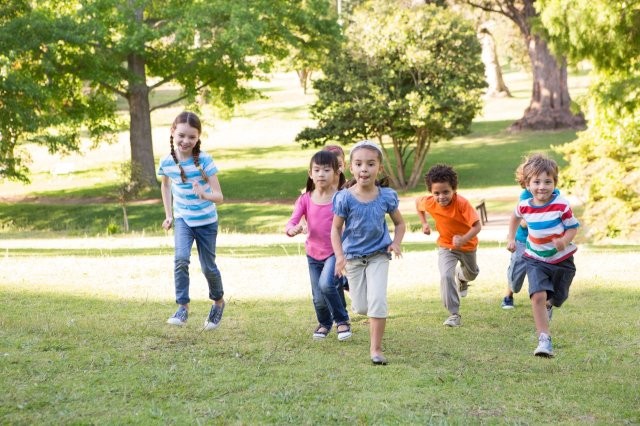
While specific light-based clinical recommendations cannot be made due to insufficient evidence, the paper reinforces the current evidence-based recommendation that children spend at least two hours outdoors each day, said lead authors Dr Elise Harb, UC Berkeley School of Optometry, US, and Dr Regan Ashby, University of Canberra. “Importantly, wearing sunglasses or hats does not diminish the protective benefits of outdoor exposure. While specific light parameters require further clarification, clinicians can confidently promote outdoor activity as a validated, low-cost public health intervention to delay myopia onset.”