
Local research contributions guiding clinical practice in DED
Research-based insights into predictive signs, clinical tests and global practice patterns for dry eye disease
5 min read
9 articles
Research-based insights into predictive signs, clinical tests and global practice patterns for dry eye disease

Researchers Professor Jennifer Craig and Dr Michael Wang at the Ocular Surface Laboratory, along with University of Auckland Visiting Professor James Wolffsohn, other international collaborators, and TFOS ambassadors, conducted and analysed one of the largest global surveys on the current clinical p

Contact lens discomfort (CLD) has been widely recognised as one of the primary factors influencing contact lens (CL) drop out1,2. As noted in my other CL article on this page, CL wear affects various tear film characteristics, with disruption of the pre-lens lipid layer being identified as critical
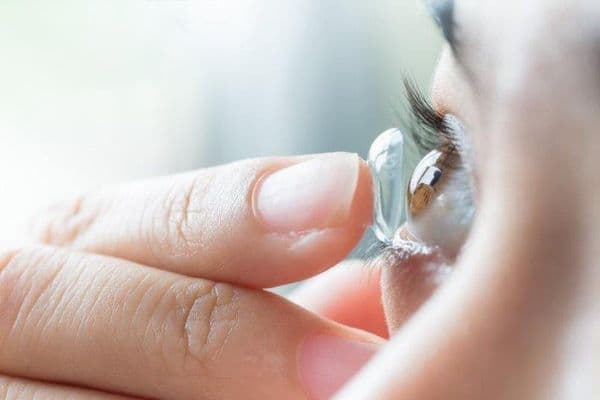
The lipid layer, the thin outermost layer of the tear film, plays a critical role in preventing tear evaporation and maintaining ocular surface health. Even a thin but stable lipid layer can support tear film homeostasis1, but this requires frequent and complete blinking, a mechanism often compromis
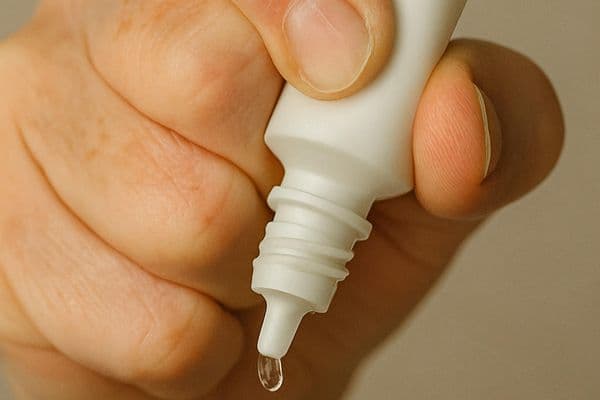
Since dry eye often needs long-term and regular treatment with eye drops, compliance is important to achieve favourable therapeutic outcomes. Difficulty in squeezing eye drop containers has been reported as one of the major barriers for eye drop compliance1,2.

The Tear Film and Ocular Surface Society Lifestyle Workshop emphasised the need to identify modifiable risk factors to develop effective prevention strategies for dry eye disease (DED)1. Among these f

The dominating presence of digital devices is shaping our functional lives today. Their prolonged use has well-documented adverse effects on our body and mind, including ocular health.
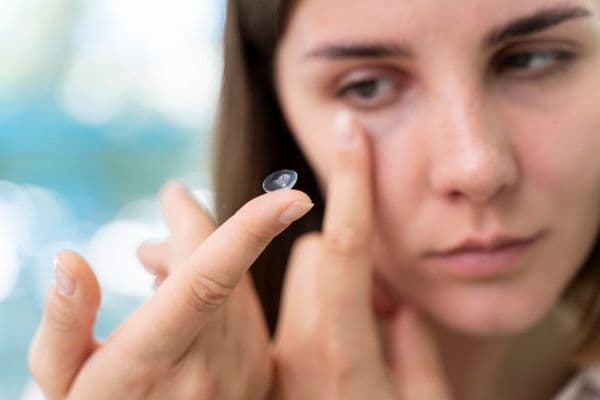
Despite continual efforts towards improving contact lens materials, design and lens care solutions, contact lens discomfort still limits the success of contact lens wear often resulting in contact lens dropout.