Dry eye: the New Zealand impact
It’s been full steam ahead for the Ocular Surface Laboratory (OSL) this year in the wake of TFOS DEWS II, ably assisted by Dr Alex Muntz, who joined the team in 2018. Research in the lab has continued

It’s been full steam ahead for the Ocular Surface Laboratory (OSL) this year in the wake of TFOS DEWS II, ably assisted by Dr Alex Muntz, who joined the team in 2018. Research in the lab has continued

The Dunedin Multidisciplinary Health and Development Study is a large longitudinal study investigating human health, development, ageing and behaviour, based on a population-representative cohort born

Virtually all patients encounter streams of salty water coursing down their cheeks early in life and don’t realise they have more than one type of tears. More widely recognised, reflex tears serve as

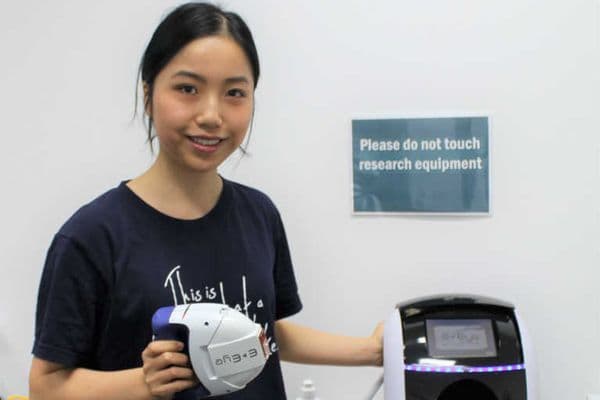
Some of the most convincing evidence to date to support the effectiveness of intense pulsed light (IPL) therapy for meibomian gland dysfunction (MGD) has recently been established from Ally Xue’s PhD

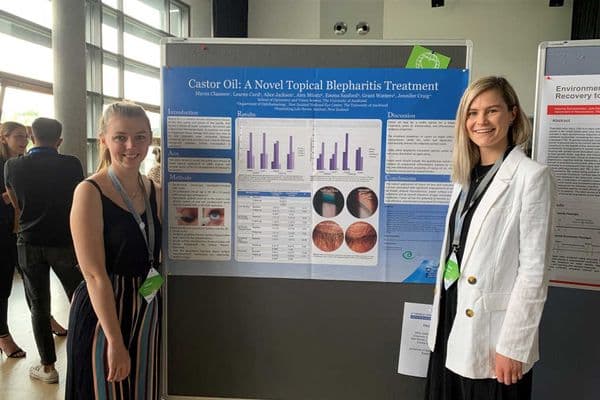
Following the completion of their optometry honours research project on castor oil as a topical blepharitis treatment, University of Auckland now-graduated students Marna Claassen, Alice Jackson and

Since completing her work as vice-chair of TFOS DEWS II and initiating a plethora of significant research at home and in collaboration with several overseas institutions through the Ocular Surface

After many years of preparation, a dedicated dry eye clinic at the Montreal School of Optometry was inaugurated in 2012, a first within a North American Optometry school. Beginning with only half a

Eye care practitioners are well aware that medications for patients with ocular surface disease need to be proven safe through clinical trials. They probably also assume, like their patients, that

July 2019 marked the evolution and merger of ODMA and the SRC conference into O=Mega, complete with trade fair, clinical lectures, dispensing master classes and all the social stuff. The conference

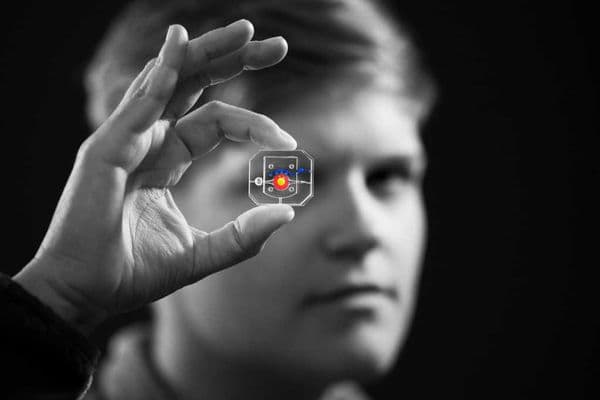
Researchers from the University of Pennsylvania have created an eye-on-a-chip with a mechanical eyelid simulating blinking to test experimental drugs for dry eye disease (DED).The research, published

Validated questionnaires are routinely used to screen for symptoms of dry eye disease prior to the clinical evaluation of ocular surface and tear film parameters. The recent TFOS DEWS II Diagnostic

The Ocular Surface Laboratory (OSL) is continuing its endeavours into shedding light on the natural history of dry eye disease (DED) development. Recent studies have explored risk factors for dry eye
.jpg&w=1920&q=75)