
Glaucoma progression and myopia
A Seoul National University study has found that long-term intraocular pressure (IOP) fluctuation is significantly related to faster visual field progression in myopic normal-tension
Staff reporters1 min read
A Seoul National University study has found that long-term intraocular pressure (IOP) fluctuation is significantly related to faster visual field progression in myopic normal-tension

If you are reading this in its lustrous glossy printed form, you have in your hands a suddenly quite rare and precious thing: a magazine.

Primary or congenital retinal telangiectasia, more commonly called Coats’ disease or Coats’ syndrome, is a non-hereditary, developmental, retinal vascular disorder characterised by dilatation and exudation of the retinal vasculature, and an important cause of leucocoria in children.

The Covid-19 pandemic will likely change the way we do business for a long time to come. For most businesses’ turnover is down and owners are having to deal with an environment that is constantly changing, affecting inventory requirements (especially those reliant on imports) and staffing capacity.

Uncorrected refractive errors account for up to 96% of visual impairment in school-aged children and are associated with amblyopia and strabismus development, and reduced performance in early literacy tests, reading ability and academic achievement. Amblyopia treatment is most effective before seven

A recent Australian survey has found many parents are shocked to learn their children have vision problems and struggle with a range of issues and emotions at the time of diagnosis and during treatment.

CXL-assisted infection reduction: a randomised clinical trial evaluating the effect of adjuvant CXL on outcomes in fungal keratitis
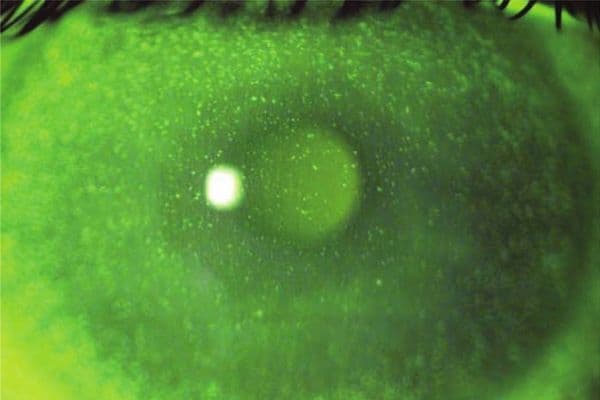
Cataract surgery is the most commonly performed operation globally, with over 30,000 performed per annum in New Zealand. The surgery has transformed into a refractive procedure in recent years, with

I once heard the most successful optometrist I have ever worked alongside tell a patient, “No, I will not fit my lenses into that piece of rubbish!” It was a very expensive branded rimless frame the client had purchased elsewhere.
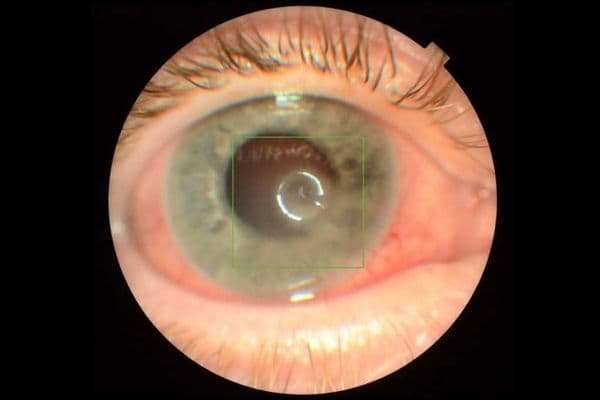
Eye injuries from line trimmers (also known as strimmers, weed eaters, weed whackers and brush cutters) result from high velocity foreign body impact, causing mechanical tissue disruption and microbial contamination with bacteria and fungi¹.
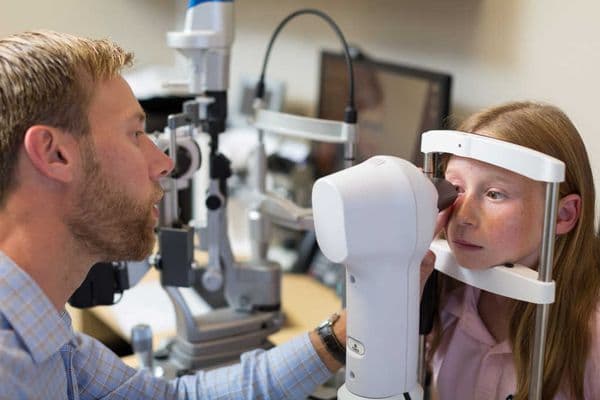
I have been offering ortho-k to patients for about a decade and I am still impressed by what this modality has to give.

Over the past month and a half, the unfolding pandemic has presented optometry with many new challenges which may alter the way we interact with patients forever.