

Know your medicine!
The Australian government’s Department of Health (DoH) has passed new legislation mandating that a medicine’s active ingredient must be detailed on prescriptions, packaging, pharmacy dispensing labels
Staff reporters1 min read
The Australian government’s Department of Health (DoH) has passed new legislation mandating that a medicine’s active ingredient must be detailed on prescriptions, packaging, pharmacy dispensing labels
Gyroscope Therapeutics has been granted US Food and Drug Administration (FDA) clearance for its Orbit subretinal delivery system (Orbit SDS) for microinjection into the subretinal space. The system
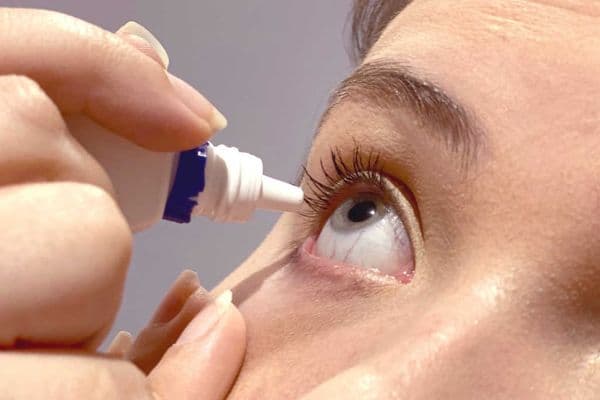
Clinicians and patients are faced with an overwhelming choice of artificial tear supplements as a therapy for their dry eye disease (DED). Focus was once on the lacrimal gland and aqueous tear deficiency, however meibomian gland dysfunction and tear film lipid deficiency are increasingly recognised

Ophthalmology New Zealand (ONZ) has rescheduled its 2020 Business Forum, The other stuff – practicing ophthalmology in NZ in 2020, for Friday 16 October from 12pm to 5pm at the Villa Maria

The modern workplace serves as a catalyst for dry eye disease (DED) and ocular discomfort for many. Air conditioning, central heating and extended digital screen use promote accelerated tear film evaporation and instability. Previous Ocular Surface Laboratory (OSL) research has demonstrated prophyla

Zeiss engineers Michelangelo Masini and Frank Seitzinger, together with Professor Andreas Raabe from the University Hospital of Bern, Switzerland, have been nominated for

The Medical Device Partnering Programme (MDPP) has launched Australia’s first dedicated, online capability directory for the medical device sector to boost innovation and development of cutting-edge

Dry eye disease (DED) affects approximately one in three New Zealanders. As clinicians, it’s critical that we accurately diagnose and manage this impactful disease. Left untreated, DED is detrimental to patients’ quality of life with its impact ranging from intermittent ocular discomfort to more ser
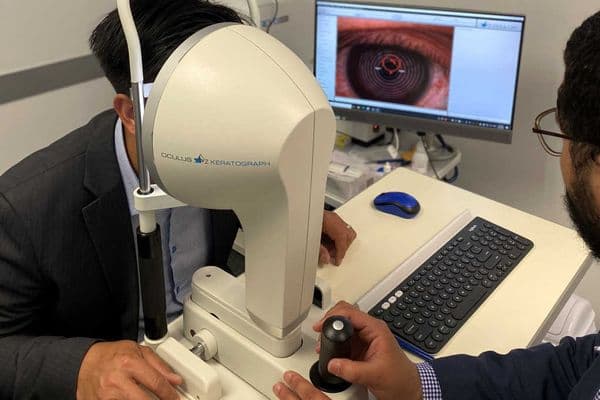
My practice focuses on specialty eye care and, much to my surprise, dry eye continues to be one of our main drawcards and is continuing to grow. A lot of the success we have experienced with dry eye has been due to the implementation of the latest dry eye technology. From a diagnostic perspective, d
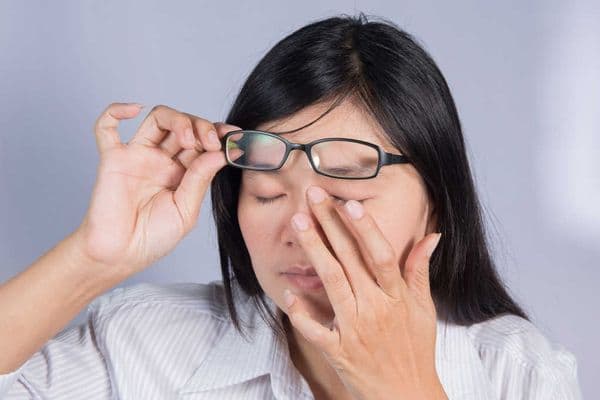
Dry eye disease (DED) as a highly prevalent and often debilitating condition has recognised impacts on ocular comfort, visual function, work productivity, psychological well-being and quality of life¹-³. The 2017 TFOS DEWS II Epidemiology report highlighted the paucity of studies in the literature i

In 2011, we were taking in five times as much information each day as we had done 25 years earlier¹, and this was before most people owned smartphones. Nowadays many of us spend a majority of our waking hours looking at or scrolling down screens.

A novel therapy for meibomian gland dysfunction (MGD), developed from treatment for a chronic form of dermatitis and dandruff, holds promise for a better solution option for dry eye disease (DED).