

Specs for keratoconus?
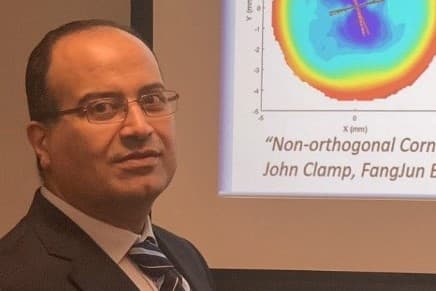
Researchers from the University of Liverpool in the UK are creating special spectacle lenses for people with keratoconus. Funded by the British charity Fight for Sight and the Keratoconus Self-Help
Staff reporters2 min read
Researchers from the University of Liverpool in the UK are creating special spectacle lenses for people with keratoconus. Funded by the British charity Fight for Sight and the Keratoconus Self-Help

You could be forgiven for thinking that New Zealand’s transition from the Covid-19 Alert Level 4 lockdown meant complex Covid-19 related employment scenarios were behind you. But as New Zealand moves
The University of Melbourne is offering healthcare workers a free online course to obtain the core scientific, medical, ethical and legal knowledge to confidently address Covid-19 questions from
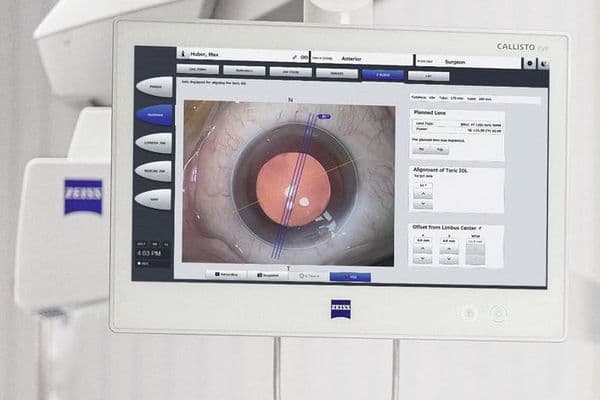
Zeiss is hosting a weekly webinar series covering key topics on the practice of biometry and its impact on cataract surgery outcomes. Five guest speakers from New Zealand and Australia, including

Health Intelligence company Cattrax is offering a free, cloud-based electronic contact tracing register to all New Zealand optometry practices. The register is designed to be fast, simple and secure

Optometry practices, together with other retail stores, malls, cafés, restaurants, cinemas and public spaces, such as playgrounds and gyms, can reopen for business from Thursday, 14 May as the country
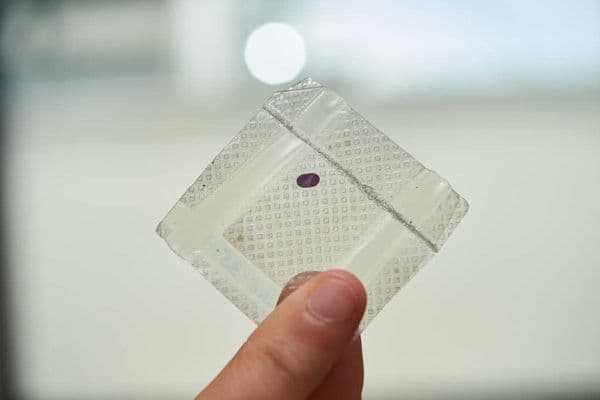
NASA has awarded US$5M to US biotech company LambdaVision to help it explore the benefits of microgravity for its unique, protein-based artificial retina.

England squash captain Daryl Selby has promised to wear eye protection in all Professional Squash Association (PSA) tournaments after suffering an eye injury during the British National Championships.

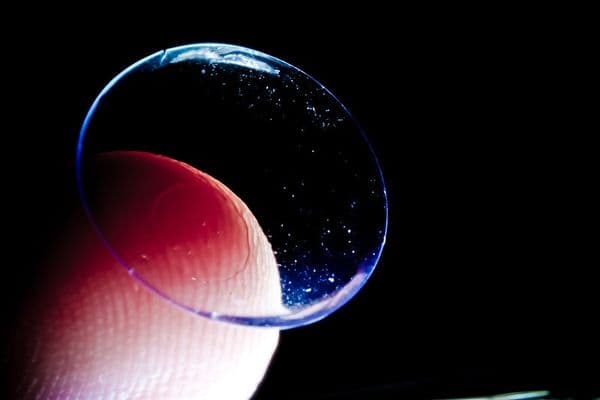
What if contact lenses could control the secretion of insulin? This might now be possible thanks to some new, smart contact lens technology that can detect diabetes and treat diabetic
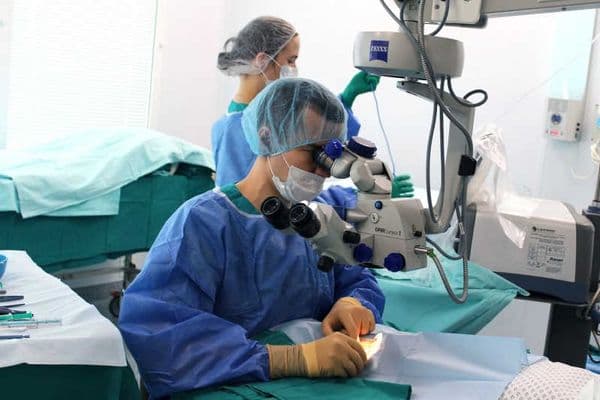
Russian scientists have developed a new method for cataract surgery, where a laser is used to both destroy the clouded eye lens and stimulate the regeneration of adjacent tissue.
New research led by hearing scientists at Oregon Health & Science University suggests a way to treat and prevent intractable genetic disorders before birth.