

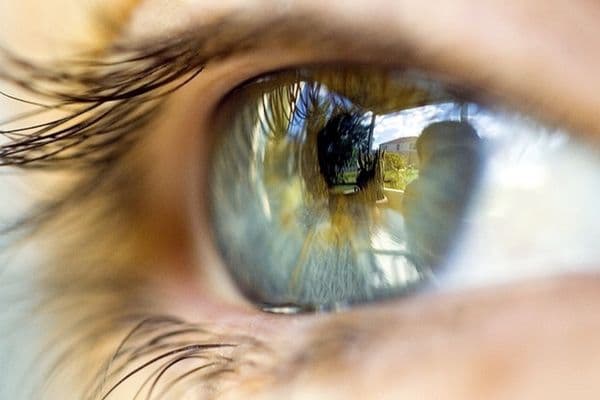
Sight - the most valued sense
A recent UK cross-sectional online survey concludes that sight is the most valued sense, followed by hearing.
Staff reporters1 min read
A recent UK cross-sectional online survey concludes that sight is the most valued sense, followed by hearing.
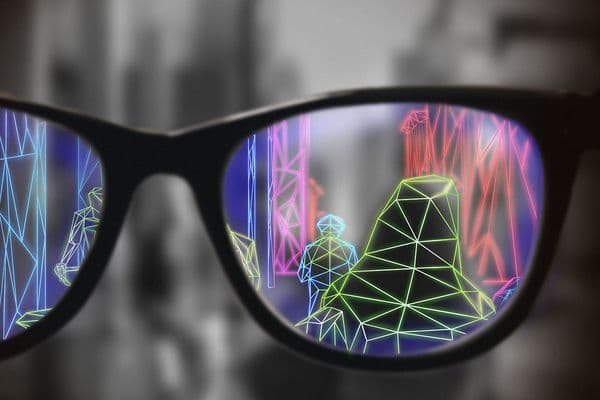
A recent study found that adapted augmented reality (AR) glasses improved the mobility by 50% and grasp performance by 70% in patients with retinitis pigmentosa (RP).

Confirmation Tū Ora Compass Health’s computer system has been accessed illegally by cyber intruders has prompted Ministry of Health action. Tū Ora notified the Ministry of unauthorised access in
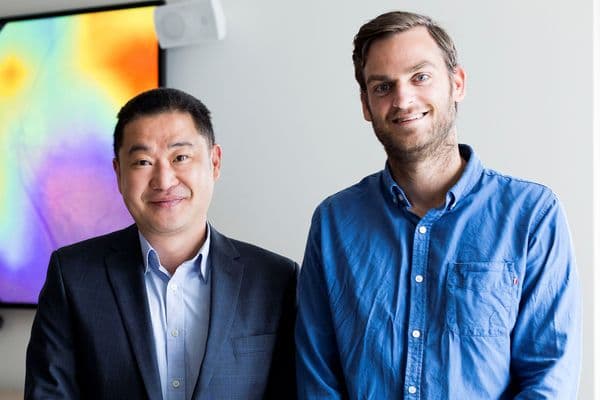
Professor Mingguang He and Dr Stuart Keel have been awarded National Health and Medical Research Council (NHMRC) Investigator Grants to further their work improving eye health services,
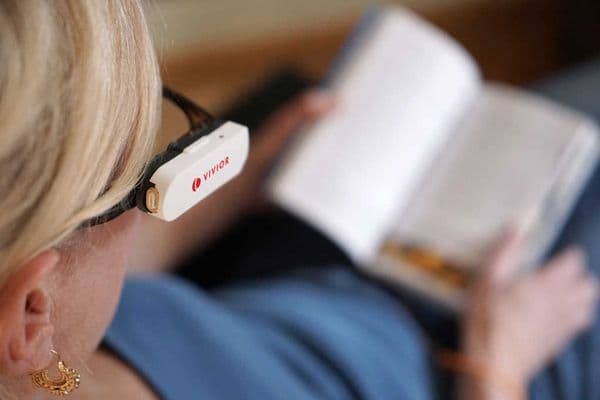
Swiss company Vivior has launched Visual Monitor, a new wearable device that objectively measures patients’ behavioural data prior to cataract surgery to improve visual outcomes.

Research in the Netherlands has shown a strong correlation between obesity and the levels of artificial bluelight at night, with just one hour of bluelight exposure raising blood sugar levels and increased sugar consumption in rats the next day.
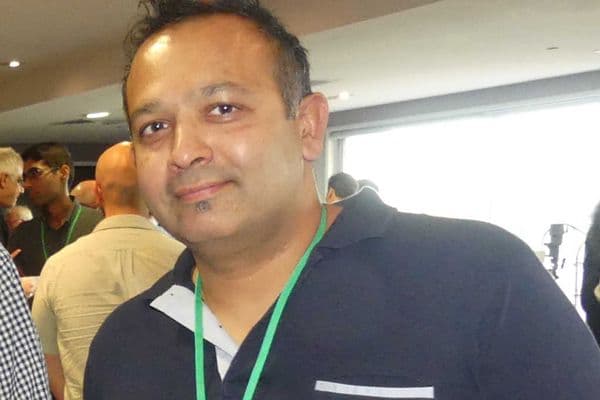
The Optometrists and Dispensing Opticians Board (ODOB) is reviewing the best ways to implement scope change for hospital-based optometrists where it is needed.

Australia’s ophthalmic Medicare Benefits Schedule review has recommended significantly dropping the rebate for intravitreal injections and exploring the notion of appropriately trained optometrists and nurses being allowed to perform the procedures.
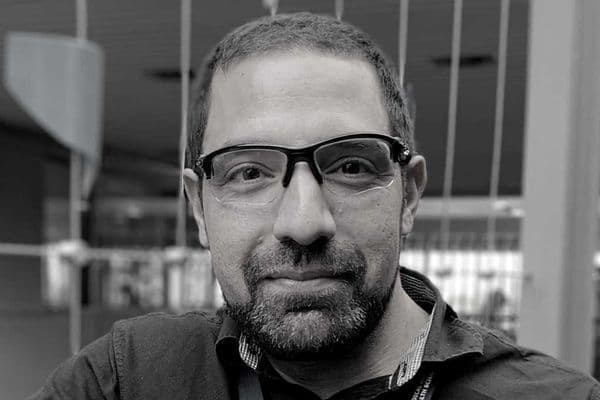
Dr Ehsan Vaghefi is one of two School of Optometry and Vision Sciences (SOVS) recipients of the 2019 Science for Technological Innovation (SfTI) seed project funding. The $200,000 grant will allow him to further develop his clinically validated artificial intelligence (AI) classifier, A-Eye, for the
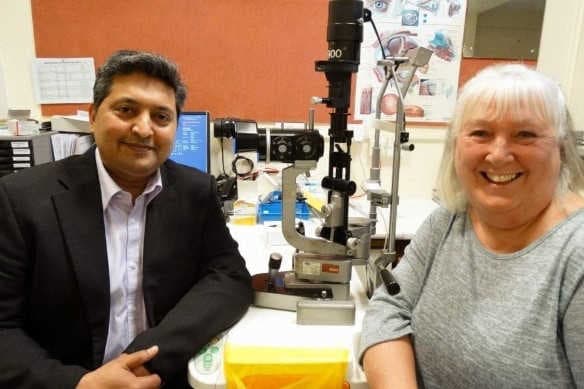
A UK grandmother has had ink tattooed onto her eyeballs to act as sunglasses to counter her five-year battle with light-sensitive vision.
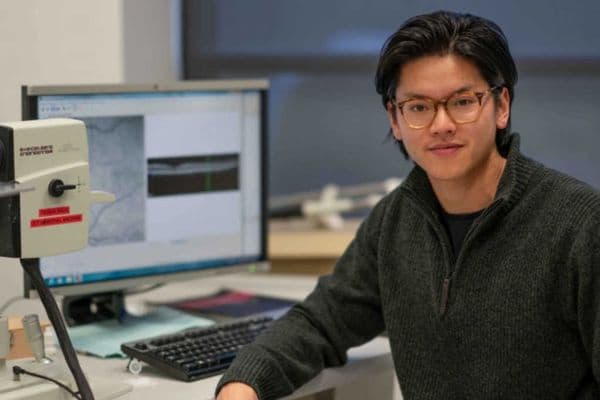
A new gene therapy being developed at The Australian National University (ANU) will help people at risk of dry age-related macular degeneration (AMD) and could save millions from going blind.
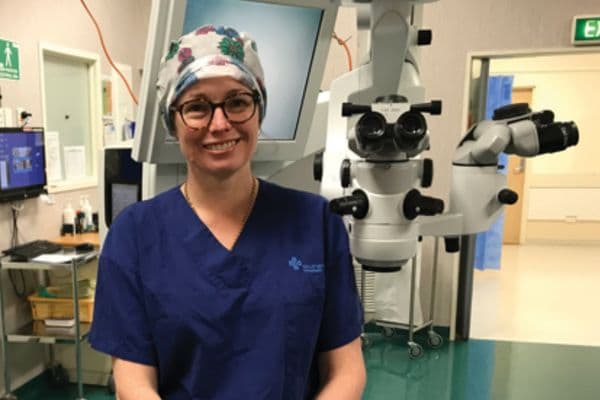
Christchurch ophthalmologist Dr Ainsley Morris said she’s proud to have brought iStents to the South Island, successfully implanting the first last month.