Orbis and Heidelberg unite against sightloss
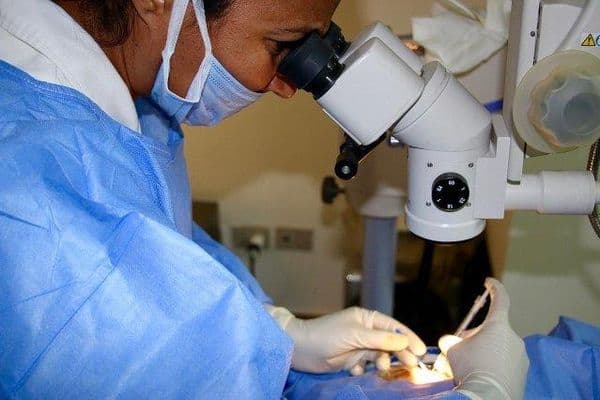
Heidelberg Engineering has partnered with sight-saving charity Orbis to fund research and training for eyecare professionals around the world via Cybersight, Orbis’s telemedicine and e-learning platform.

Heidelberg Engineering has partnered with sight-saving charity Orbis to fund research and training for eyecare professionals around the world via Cybersight, Orbis’s telemedicine and e-learning platform.

Dipping my toes into The Optical Metaverse nudged my thoughts towards the potential for virtual reality and augmented reality to enhance everything in eyecare from education to marketing, writes Renee Lunder

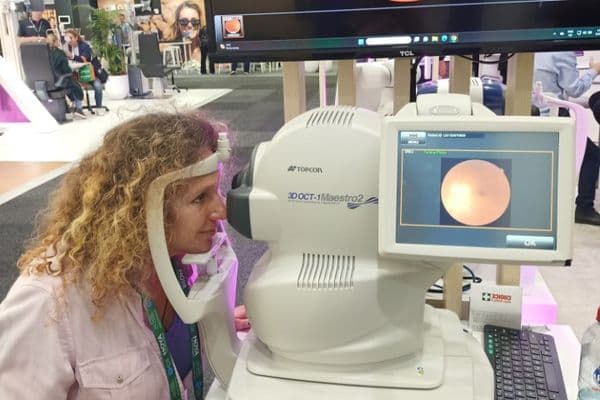
Unveiled at O=Mega23, Toku Eyes’ new artificial intelligence (AI)-based software reveals patients’ ‘BioAge’, based on their cardiovascular health via a retinal scan.

An international study of 427,480 adult UK Biobank participants found calcium-channel-blocking (CCB) drugs, used to lower blood pressure, were associated with 39% higher odds of developing glaucoma.

A daily 20mg dietary-zeaxanthin supplement decreased unilateral neovascular age-related macular degeneration (nAMD) patients’ chances of developing AMD in the second eye by 54%, representing a potential 1,531% return-on-investment, reported US researchers.

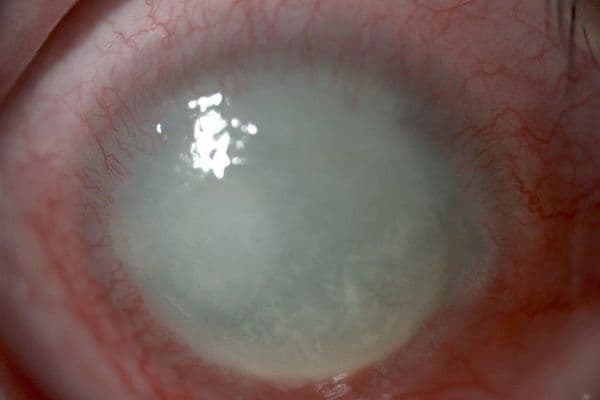
A new international clinical trial of two strategies to treat Acanthamoeba keratitis (AK) found they each cured 87% of patients. Led by Professor John Dart, UCL Institute of Ophthalmology and

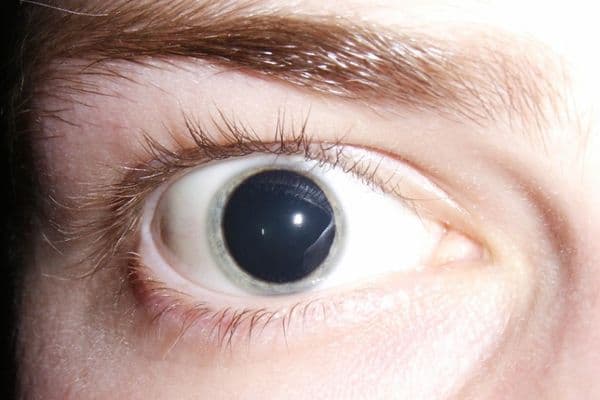
Ocuphire Pharma announced the US Food and Drug Administration (FDA) has approved Ryzumvi (phentolamine ophthalmic solution) 0.75% eye drops for the treatment of pharmacologically induced mydriasis.

National University of Singapore researchers found consuming grapes for 16 weeks improved key markers of eye health in older adults. With oxidative stress identified as a key risk factor for visual

A North American case series demonstrated intraocular methotrexate (MTX) eradicated the sheet-like form of epithelial downgrowth (EDG) in 70% of treated eyes. Writing in the British Journal of

Dutch researchers studying primary open-angle glaucoma (POAG) patients with high intraocular pressures said their results suggest a genetic deficiency in mitochondrial DNA (mtDNA) replication may play

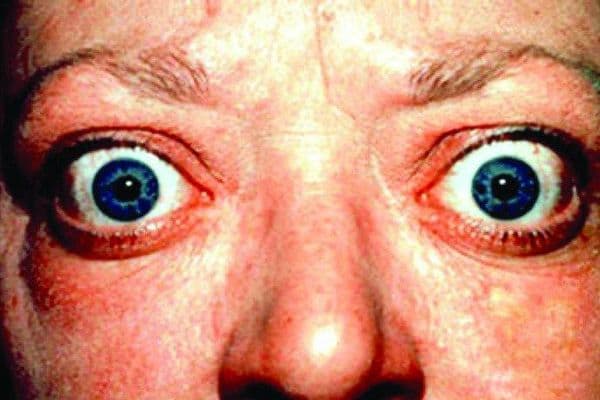
Researchers in Switzerland found a smartphone app performed better than a Hertel exophthalmometer for measuring exophthalmos¹. Based at the University of Zurich, the research team compared a

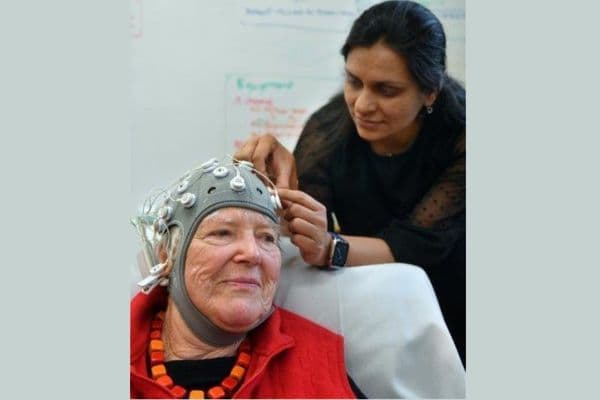
Award-winning New Zealand author and low-vision champion Dr Lynley Hood’s eyesight was ‘miraculously’ restored while taking part in a University of Otago study aimed at alleviating chronic pain, resulting in a new investigation to see if more people with low vision can be helped.