
NZ uveitis study probes stress impact
A/Prof Rachael Niederer to investigate the connection between stress and recurrence of HLA-B27 uveitis
Drew Jones2 min read
A/Prof Rachael Niederer to investigate the connection between stress and recurrence of HLA-B27 uveitis

Japanese researchers found caffeine therapy may be a potential treatment strategy to prevent the progression of severe retinopathy of prematurity (ROP) in neonates born between 23 and 28 weeks' gestat

Researchers in India found one hour of smartphone use reduced blink rate and increased inter-blink intervals in young adults, with short social media videos (reels) causing greater pupil fluctuations

Researchers in the US reported that a deep-learning model trained on eye-tracking data could distinguish young adults with self-reported depression or suicidal ideation from healthy controls, suggesti
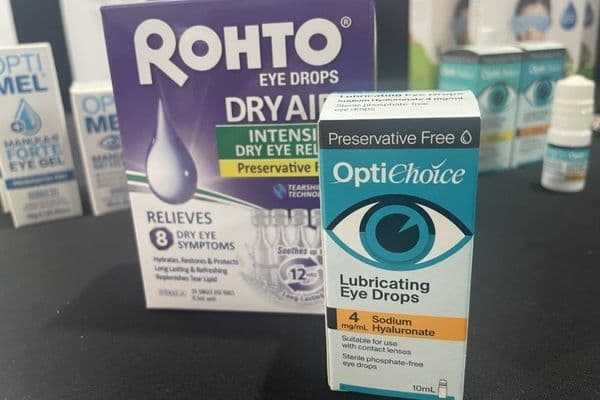
OphthalmoPro has outlined several developments in its New Zealand dry eye portfolio, including the installation of an Eye-light device at Auckland University’s School of Optometry and Vision Science (

Researchers have found some sedentary behaviours, such as TV-watching, are linked to an increased risk of dementia and that replacing these with mentally active sedentary behaviours including reading

Bausch + Lomb (B+L) has launched the second product in its silicone hydrogel daily disposable contact lens range. Now available in New Zealand, B+L describes the lens as a refinement designed to deliv

First-in-world trial targets TED at its source

Distributed in New Zealand by Ophthalmic Instrument Company, the Medmont Meridia Vantage is being positioned as a comprehensive anterior eye imaging platform, with scleral topography its key advance.
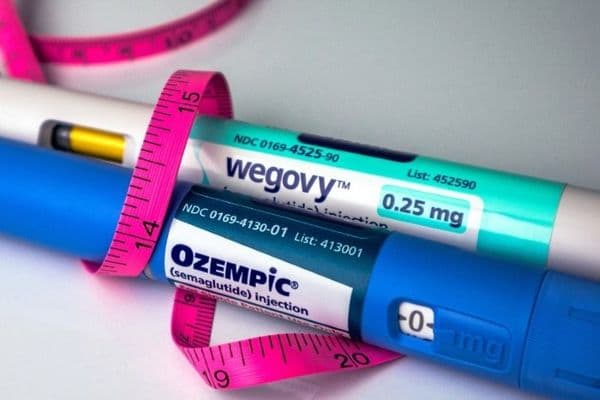
Large analysis of global adverse events reports GLP-1 risks.

On a mission to raise awareness of macular degeneration (MD) and improve eye health for those living in one of New Zealand’s most geographically isolated areas, Macular Degeneration New Zealand (MDNZ)
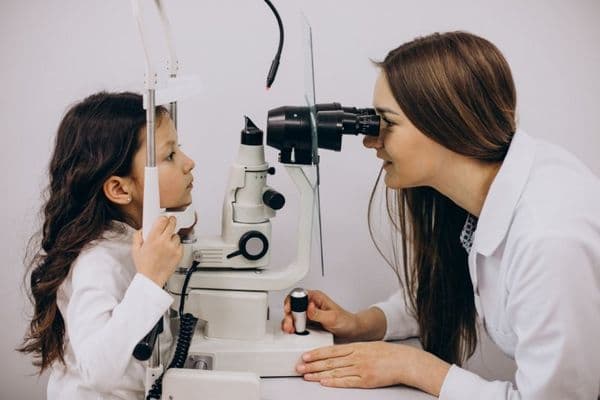
An ophthalmic spray containing 1% tropicamide and 2.5% phenylephrine has been shown by American researchers to be as effective as traditional eye drops for pupillary dilation in children. Their study,