
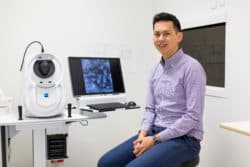
Predicting the path of AMD
A project at the Centre for Eye Research Australia aims to identify new biomarkers to predict the progression of age-related macular degeneration (AMD).The project will use the extensive imaging that

A project at the Centre for Eye Research Australia aims to identify new biomarkers to predict the progression of age-related macular degeneration (AMD).The project will use the extensive imaging that

An eye donation from Robert Van der Heiden who lived with Leber’s Hereditary Optic Neuropathy (LHON) will give CERA researchers a unique opportunity to advance the study the mitochondrial genetic

Many Kiwis want adverts for prescription medicines to be banned, a Consumer NZ survey shows.Consumer NZ head of research Jessica Wilson said New Zealand and the US were the only two countries in the

Vision 2020 in New Zealand has been re-energised as an independent voice for the broader eye health sector and will now become a much more robust and representative nationwide initiative, said

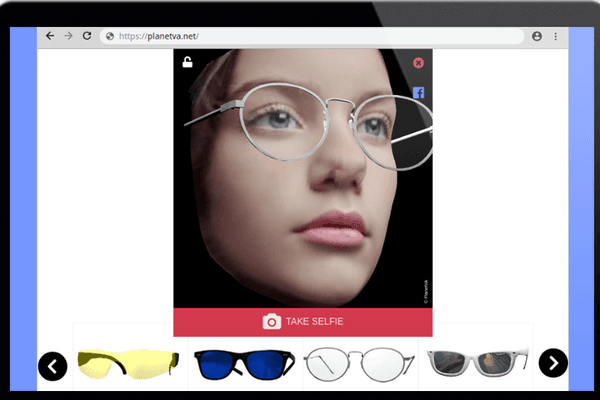
A breakthrough in virtual eyewear technology – the vmPRO from PlanetVA – allows users to discover how frames will look on their face by simply taking a selfie.The new app creates a 3D face model of

Responding to deputy prime minister Winston Peters’ election promise of an annual health checkup, including an annual eye exam, for SuperGold Card holders, the Eye Health Coalition (EHC) presented

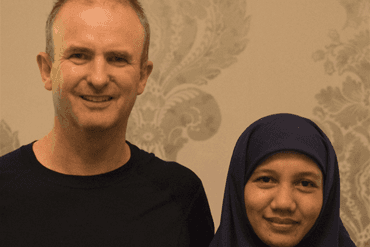
A device developed by young Indonesian ophthalmologist Dr Virna Oktariana alongside Western Australia’s Lions Eye Institute (LEI) will make glaucoma treatment more accessible in Indonesia.Launched at

It may sound a challenge akin to patting your head and rubbing your belly, but neuroscientists at Duke University have discovered that your ears move when your eyes do.Even without sound, the eardrums

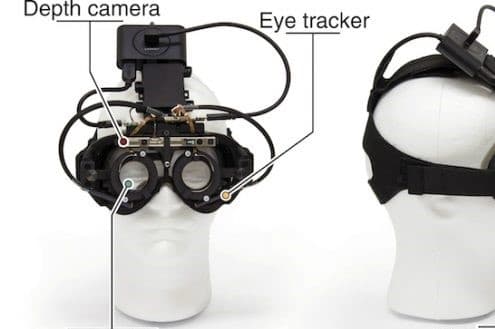
‘Autofocals’ developed at Stanford University allow wearers to maintain sharp near and far focus, offering a smartglasses solution to existing bifocal, varifocal and progressive lenses.Researcher

For the first time, a part five optometry student, Sushmita Chinchankar, participated in the University’s Rural Health Interprofessional Programme (RHIP) hosted in Whakatāne earlier this year.

Glasses prescribed to young children to correct hyperopia failed to show significant visions benefit after three years of follow-up in a randomised trial in the US.The Ohio State University study lead

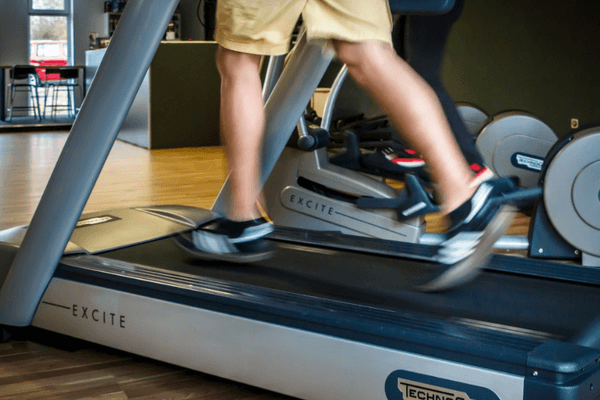
A US study showed increased physical activity slowed rates of visual field loss in patients with glaucoma.Patients who took an additional 5000 daily steps or 2.6 hours of physical activity decreased