OA claims pre-election campaign success
Optometry Australia is claiming success in its campaign, Optometry matters, to get optometric issues onto the table ahead of the country’s upcoming general election. It says over 4,000 pieces of

Optometry Australia is claiming success in its campaign, Optometry matters, to get optometric issues onto the table ahead of the country’s upcoming general election. It says over 4,000 pieces of

In an open letter to Insight magazine responding to its coverage of Big W’s decision to close its in-store optometry practices, Optometry Australia has defended in-store optometrists. The organisation

Chemical compounds found in plants could hold the answer to treating an array of blindness-causing ocular disorders, a collaborative study by Indiana University School of Medicine and the University

The Royal Australian College of Physicians (RACP) says sustainability, prevention and equity must be key pillars of the healthcare system to ensure it is future-proofed. In the run-up to Australia’s

The inaugural Women In Optometry leadership summit, Flex your Superpowers, will be held at the University of Missouri’s College of Optometry on June 19th. The summit’s website says it aims to help

An Auckland University team is hoping to develop a phone app to quickly diagnose whether a knock to the head could have long-term health consequences. The diagnosis of mild, moderate or severe brain

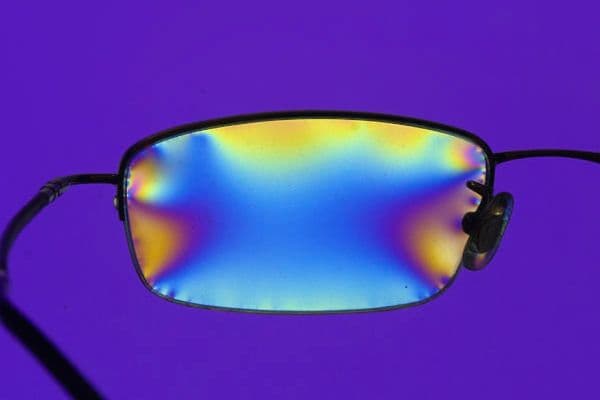
A small study has found polarised glasses can help patients with intraocular lenses (IOLs) who develop glistening. The peer-reviewed study, conducted by a clinic in Austria and published in Clinical

Patients who have the Hydrus microstent inserted are significantly less likely to undergo secondary incisional surgery and over 70% remain free of medications three years after receiving the device,

Watchful waiting is a reasonable approach for patients with diabetic macular oedema (DME) who still have good vision, the US National Eye Institute (NEI) said. A large clinical trial, funded by the

538 million people with vision impairment from uncorrected myopia cost the global economy US$244 billion in lost productivity in 2015, according to a study co-authored by the Brien Holden Vision

Adhering to the Dutch Crosslinking for Keratoconus (DUCK) score may prevent unnecessary treatments, reduce exposure to treatment risks, and improve the cost effectiveness of crosslinking without

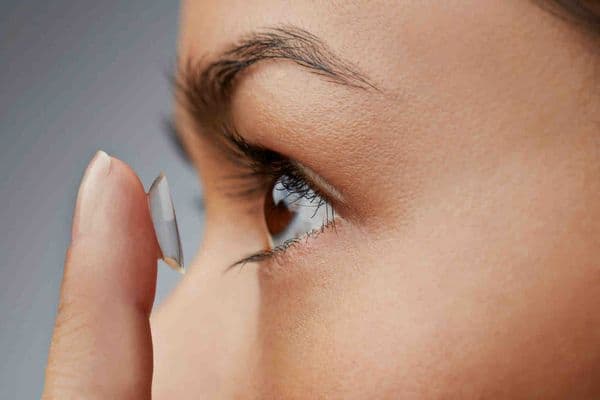
Daily disposable contact lenses (CLs) cause less damage to the ocular surface and less inflamation than other CL options, university researchers in Turkey have found. “The use of soft contact lenses