Immune response linked to dry eye
Researchers say immune cells that normally rush in to protect the eyes from infection might actually be disrupting moisturising glands and causing dry eye disease (DED). This finding, from a team led

Researchers say immune cells that normally rush in to protect the eyes from infection might actually be disrupting moisturising glands and causing dry eye disease (DED). This finding, from a team led

Optometrists are becoming increasingly aware of the challenges facing dry eye patients. Compliance with home treatments for dry eye can be variable and patient adherence to treatment instructions tend to diminish following an enthusiastic start. The recent TFOS DEWS II report provides excellent curr

The modern workplace is a hostile environment for a dry eye sufferer. Computer use decreases blink frequency and completeness, leading to lipid layer breakdown and increased aqueous tear evaporation, while air-conditioned office environments frequently further aggravate the disrupted tear film.

Adverse environmental conditions, including high airflow velocity and low relative humidity, are recognised to exacerbate dry eye signs and symptoms. Topical artificial tear supplements are among the most commonly used therapies for dry eye disease, although the protective effects of eye drop applic

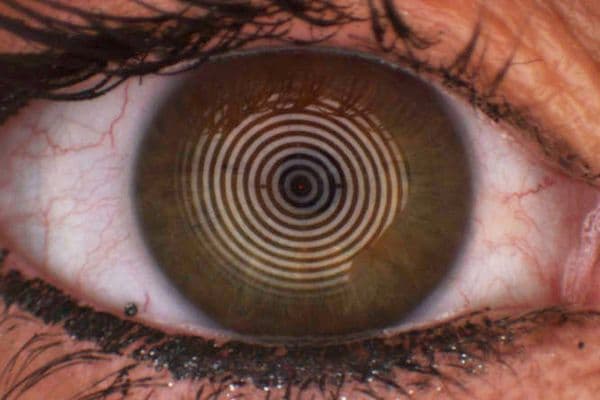
Tear film stability measurement is an integral component of the assessment of dry eye disease. Although ocular instillation of sodium fluorescein via impregnated strips is conventionally used to visualise tear film breakup, it is also recognised to destabilise the tear film, reducing stability measu

Asian ethnicity is recognised to be a significant risk factor for the development of dry eye disease, with a higher prevalence and severity of dry eye signs and symptoms consistently reported in Asian populations relative to Caucasian cohorts in the literature. However, the effects of environmental

In recent decades, the significant increase in digital screen use, both at home and at work, has been accompanied by a growing prevalence of dry eye disease worldwide. The high visual and cognitive load associated with digital screen use, along with sustained visual attention, can result in a reduct

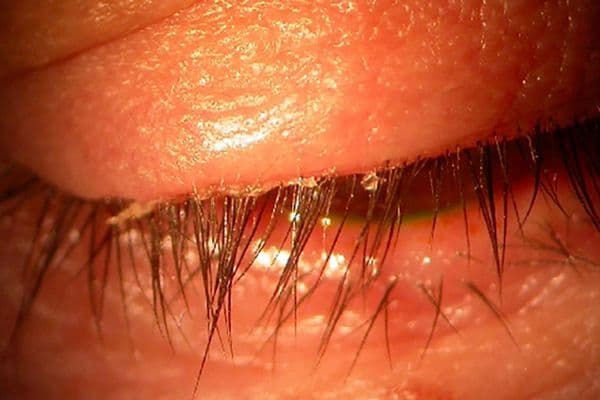
Blepharitis is a common ophthalmic condition characterised by chronic eyelid inflammation and associated symptoms of ocular irritation and dry eye. It can have a profound impact on quality of life. The management of blepharitis involves both the prevention and treatment of intermittent episodes of i

Eye cosmetics are widely used by mostly female populations of all age groups globally for religious, cultural and cosmetic purposes. The literature surrounding the effects of eye cosmetics on tear film quality and dry eye disease was assessed by a recent review1 conducted by University of Auckland O

Although blinking training is commonly recommended as part of the multi-modal management of dry eye disease, the relationship between clinical measurements of blinking patterns and markers of dry eye severity remains yet to be established. The influence of blinking patterns on tear film parameters,

Ocular allergy represents a group of hypersensitivity disorders that primarily affects the conjunctiva.

Contact lens wear is associated with discomfort. This presents a real problem for wearers, practitioners and industry as discomfort is one of the main reasons for contact lens wearers to drop out of lens wear.