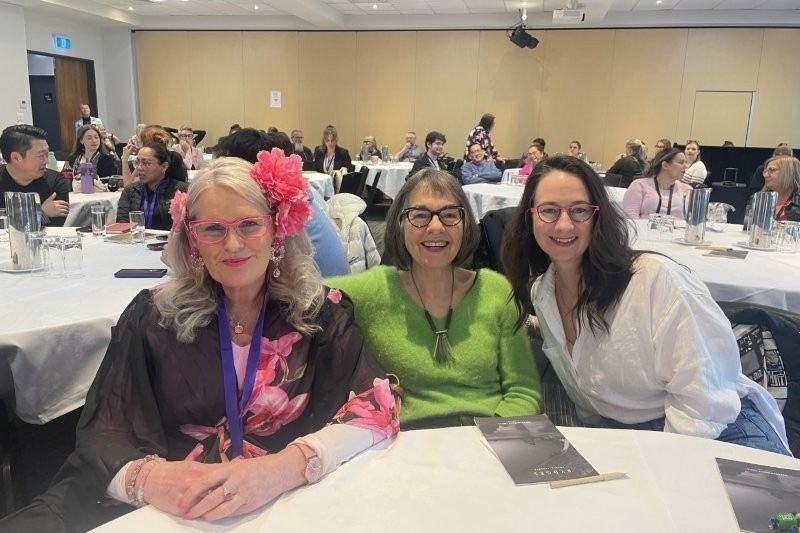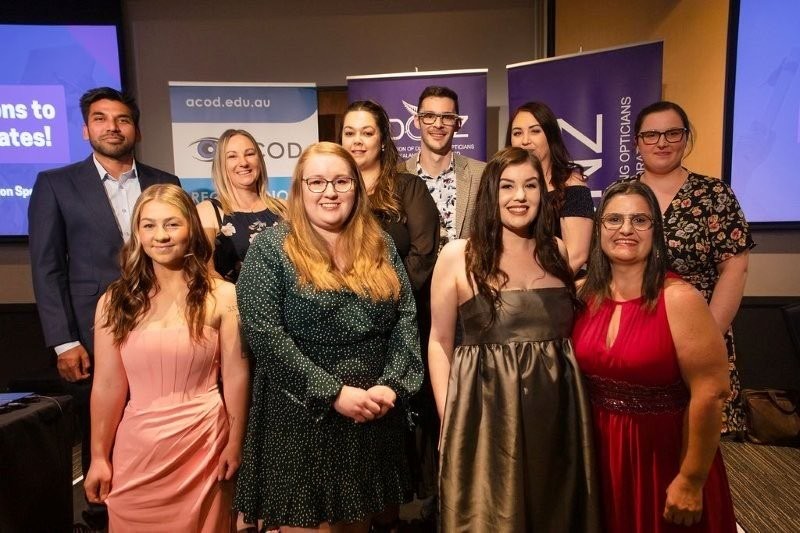






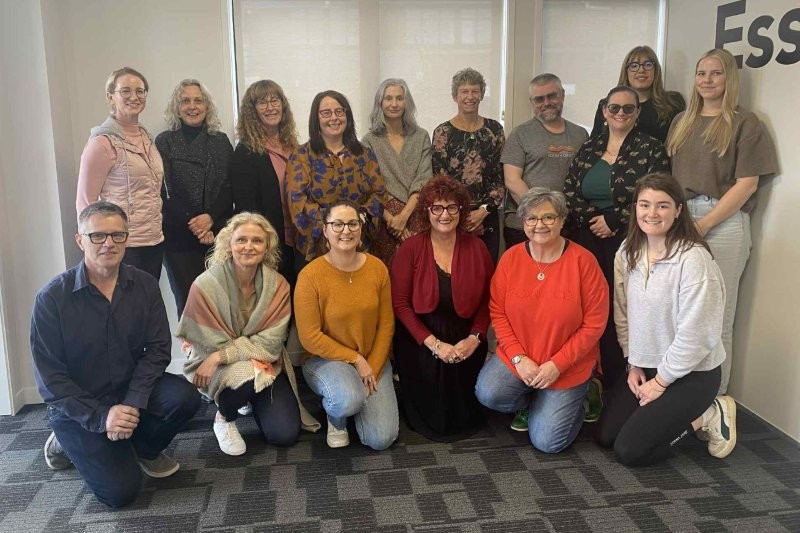
I recently had the privilege of joining 15 of our members as well as MSO’s Olivia Ashley, at ADONZ’s first dedicated low-vision workshop in Auckland. Over two full days, we shared knowledge, challenged our thinking and enjoyed plenty of laughs, making this an event that will be remembered for a long time.
The idea for the workshop came from ADONZ member Samantha Fleming, founder of The Eye Lady. After stepping away from practice and focusing on her work on Irlen syndrome and low vision, she realised how difficult it was to find practical, dispensing-specific training in this space. There are plenty of courses for optometrists, but nothing that speaks directly to what we do every day. So, when she approached ADONZ about making it happen, we jumped at the chance to shape a programme that brought in expert speakers, hands-on learning and practical solutions attendees could take straight back to their patients.
The speaker lineup was outstanding. Helen Heyns, a low-vision optometrist from Orewa, stood out for her ability to take complex topics and make them practical. She covered everything from physiology and eye disease to nutrition tips – I’ll never look at my grandparents eating tea and toast the same way again! More than anything, Heyns reminded us that empathy is at the heart of low-vision care, and her actionable tips, such as using contrasting cutting boards to make meal prep easier, meant her sessions were a highlight for all of us.
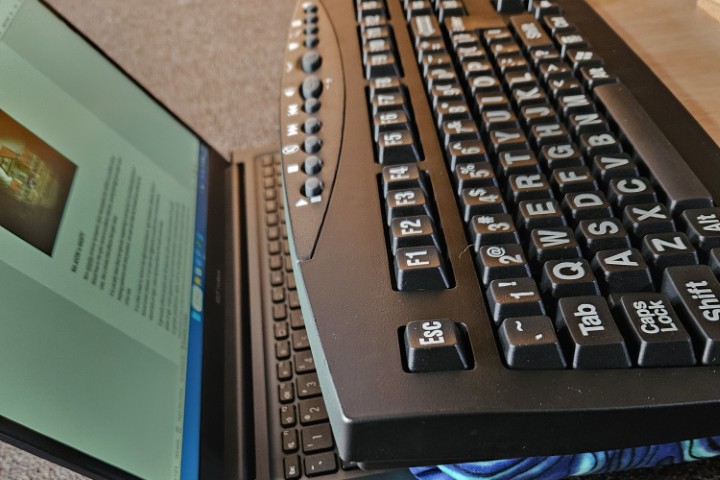
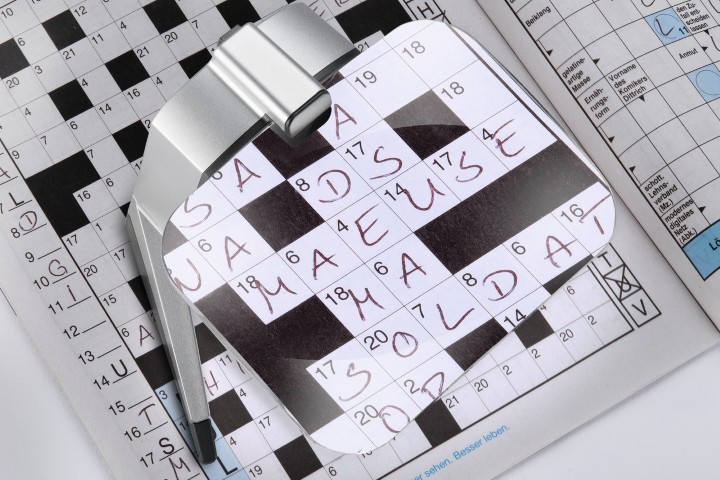
Leanne Sheil from Magnifiers Australia brought both humour and deep product knowledge in equal measure. She came armed with every type of solution we could offer our low-vision patients, along with guidance on how best to assist them with each device. She then gave us the chance to test a wide range of magnifiers, lamps, CCTVs and lighting options. Going forward, I'll repeat ‘bigger, brighter, bolder’ in my head when discussing options with my patients. I cannot thank Sheil enough for everything she did for the workshop and for the support she offered us all.

Testing low vision tools
Maths, magnifiers and mutts
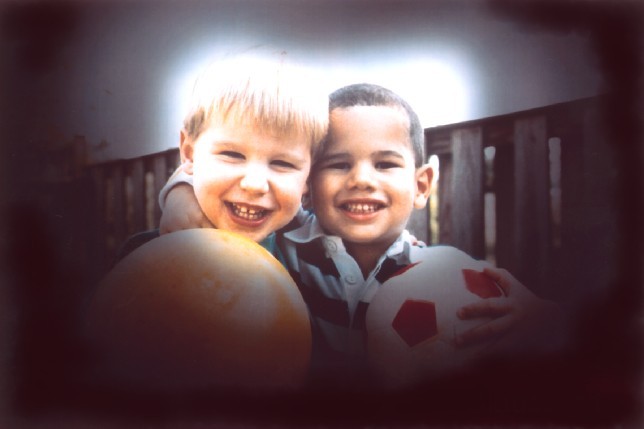
Michelle O’Hanlon, a low-vision optometrist from the School of Optometry and Vision Science at the University of Auckland, plus patient Sally, added another vital perspective. Sally shared her lived experience with low vision with honesty and warmth. Hearing directly from a patient about the challenges she faces and how small things can make a big difference made me rethink how we approach low vision in practice. Echoing Heyns’ lectures, it reminded us that being a DO is about much more than problem solving; it’s about empathy, advocacy and helping our patients navigate their world with dignity and confidence. O’Hanlon challenged us to dust off our maths skills with magnification calculations and gave us the opportunity to trial the Hamilton-Veale visual field test while wearing tunnel-vision glasses.
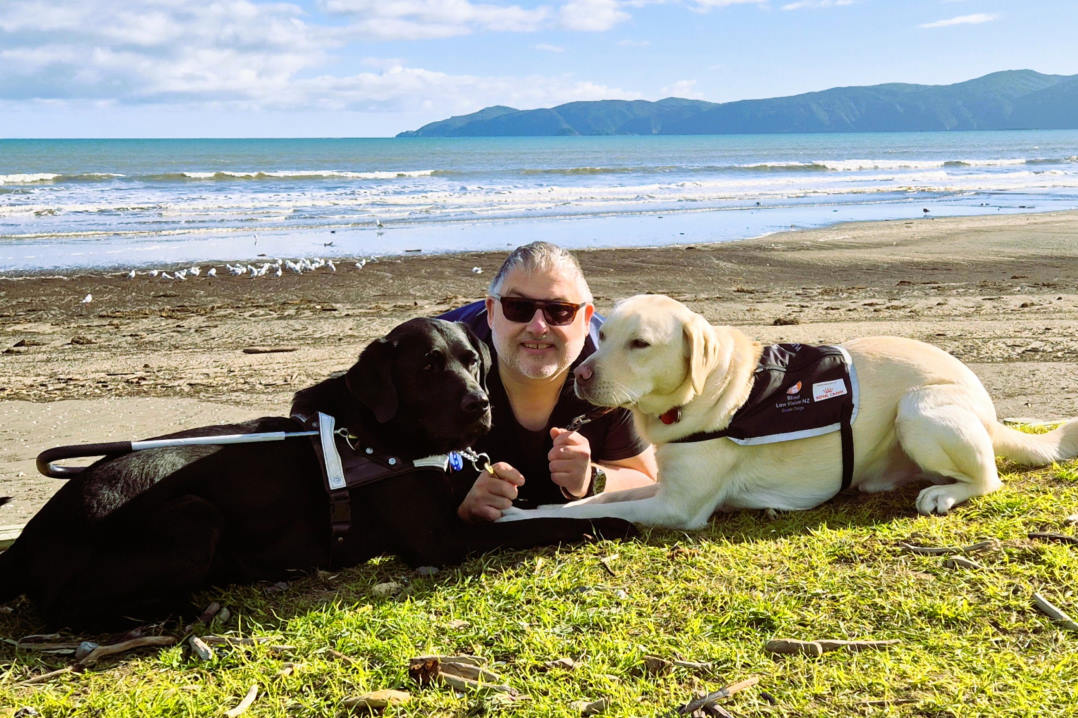
We also had the chance to visit Blind Low Vision NZ (BLVNZ) headquarters, where we explored its own range of magnifiers, CCTVs and services. The visit reinforced the importance of understanding the full support ecosystem available to patients. Back at the workshop, we had a special visit from Kimba the guide dog, adding an extra layer of practical insight into the services available for legally blind patients and sparking conversations about how we can better support them in practice (plus we had lots of doggo pats!).

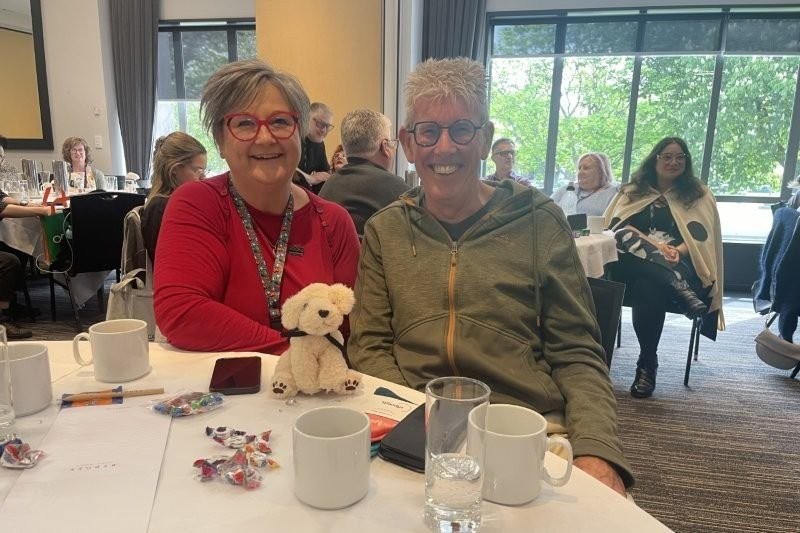
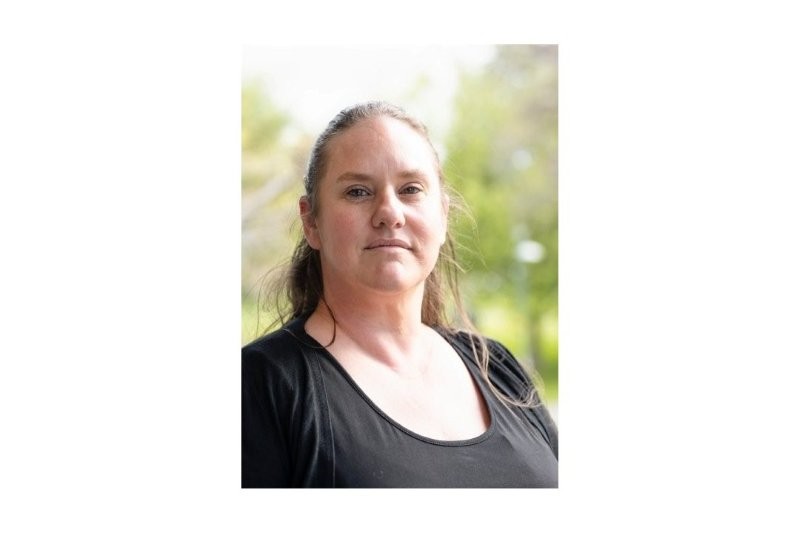
Author Courtney Chellew trying out the equipment
One of the real joys of this workshop was the people: from the now-famous ‘find a young person to help’ line when advising older patients on how to get comfortable with new technology to the seemingly obvious lesson on using CTRL+ to enlarge font sizes, the banter and laughter balanced the intensity of the learning. Being in a small group also meant there was plenty of time for open discussion, sharing tips and swapping stories. The WhatsApp group we set up beforehand not only created a real buzz in the lead-up to the workshop, it has since turned into a safe space where we can continue to ask questions and share recommendations. That sense of community is something I value just as much as the CPD points.
The workshop wouldn’t have been possible without the support of EssilorLuxottica, which generously provided a venue, and MSO that not only assisted Sheil coming over from Australia but also hosted a fantastic team dinner on the Thursday night that gave everyone a chance to connect on a more personal level. A huge thank you again to our guest and MSO’s Gethin Sladen.
The workshop was approved for nine CPD points but, for me, the real takeaway was the confidence it gave us to bring low-vision conversations into our everyday dispensing. The feedback from attendees has been incredible, with one attendee saying: “Best workshop ever. It was a fabulous opportunity to delve into client care and the physiology of low vision patients. The open discussion and tips shared were so valuable.”
ADONZ is now looking at how it can offer more small, intensive CPD sessions like this, diving into specialist areas where DOs are asking for more support. Low vision was our first step, but it definitely won’t be our last.
Outgoing ADONZ president Courtney Chellew has been a DO for more than a decade and is a partner of Oamaru Eyecare. Her contributions to the profession, including volunteering in the Himalayas in 2017, made her the youngest recipient of the 2018 Robert Maher Award.