Attendees of the Association for Research in Vision and Ophthalmology’s (ARVO) 2024 meeting delved into the latest myopia research, with the presentation of two study abstracts identifying genetic links and exploring new treatments which could help address the disease’s increasing prevalence.
Genetic factors in childhood myopia
Researchers from The Chinese University of Hong Kong studied 15 potential genetic variants in a group of 2,819 Chinese children, who underwent baseline and three-year follow-up cycloplegic refraction and ocular assessments. They found variants in the TOX, ZMAT4, GRIA4 and RDH5 genes were associated with eye-size and refractive error. Two variations in CD55 and RDH5 were linked with three-year changes in corneal curvature and eyeball length.
These findings offer valuable insights into the genetic basis of childhood eye growth and early development of refractive error, said team lead Dr Ebenezer Zaabaar. “The study has the potential to pave the way for improved understanding, early detection and novel interventions for refractive errors in children, particularly myopia, mitigating the risk of myopia-related eye complications and potential blindness later in life.”
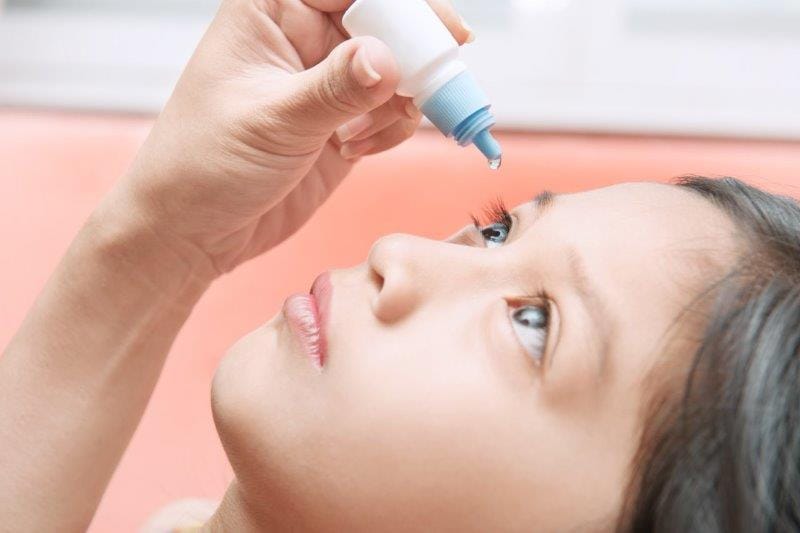
Myopia suppression with new eye drops