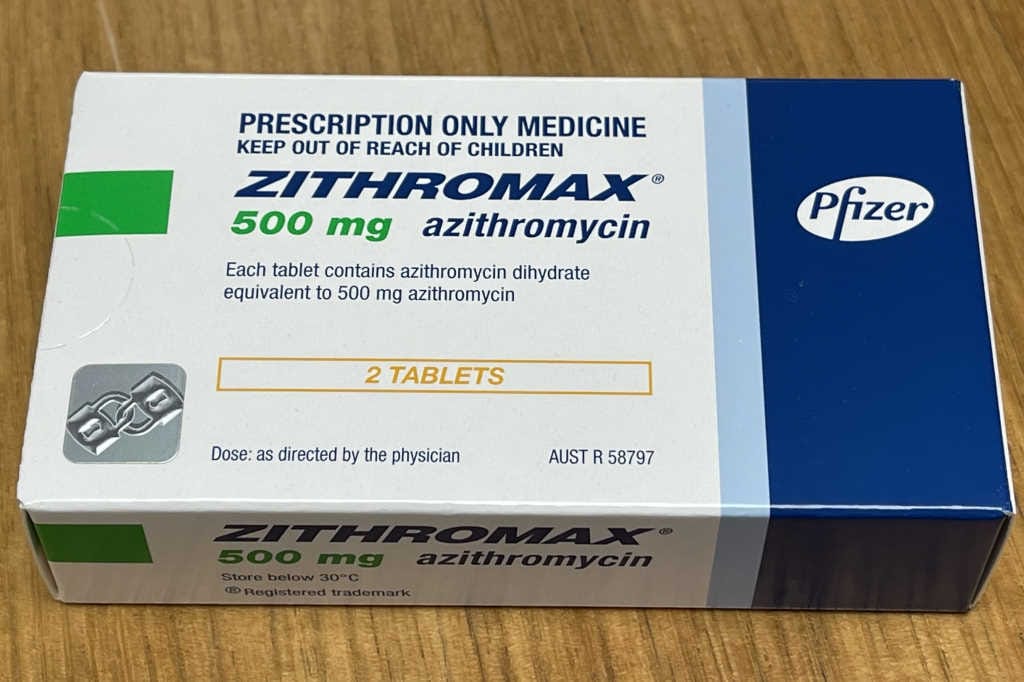
The common use of oral antibiotics in the management of meibomian gland dysfunction (MGD) is an extension of the traditional dermatological approach to rosacea treatment. In this context, historically, oral tetracyclines have been used for their anti-inflammatory properties (anti-matrix metalloproteinases, bacterial lipase inhibition and fatty acids reduction), rather than antibiotic properties per se1,2. To achieve this effect, oral tetracyclines require three- to four-month courses, which increases the likelihood of compliance-limiting side effects, such as skin photosensitivity and gastro-intestinal upset. Tetracyclines are also contraindicated in children due to deposition in growing bone and teeth. In contrast, oral azithromycin is a macrolide antibiotic which acts as an immune-modulator, only requires a short (often three-day) weight-related course and has no age-related contraindications2,3. Its additional treatment advantages include potent anti-inflammatory activity, anti-bacterial effects with a high efficacy spectrum, daily dose pharmacokinetics and favourable eyelid tissue penetration1-4.
Premium subscriber content
Sign in if you have a Digital or Print + Digital subscription. Don’t have one yet? Digital subscribers get full access to this article from $40/year +GST.
- Premium exclusive content