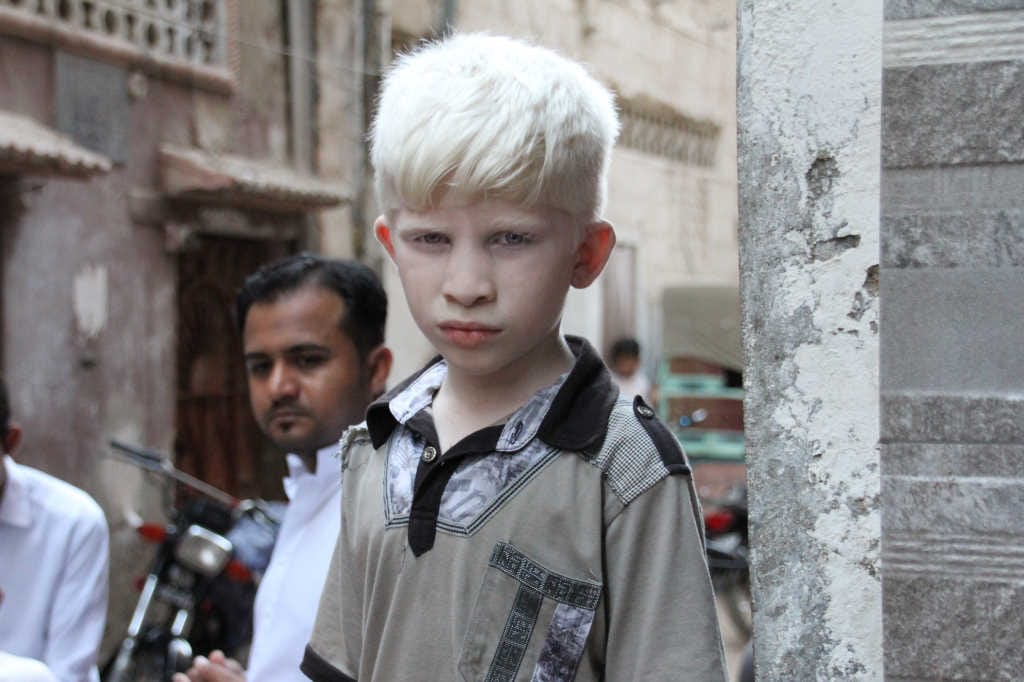
Ethics approval was provided by the Health and Disability Ethics Committee and the BLENNZ board of trustees. Recruitment for the study began in January 2020, which coincided with the Covid-19 pandemic and subsequent lockdowns, impacting both recruitment and follow-ups. However, a total of 13 participants were able to complete the full protocol. The demographics and VA of those recruited were not statistically significantly different from the full cohort of individuals with albinism enrolled at BLENNZ. Questionnaires were used throughout to understand the akonga experience alongside clinical assessment of vision.
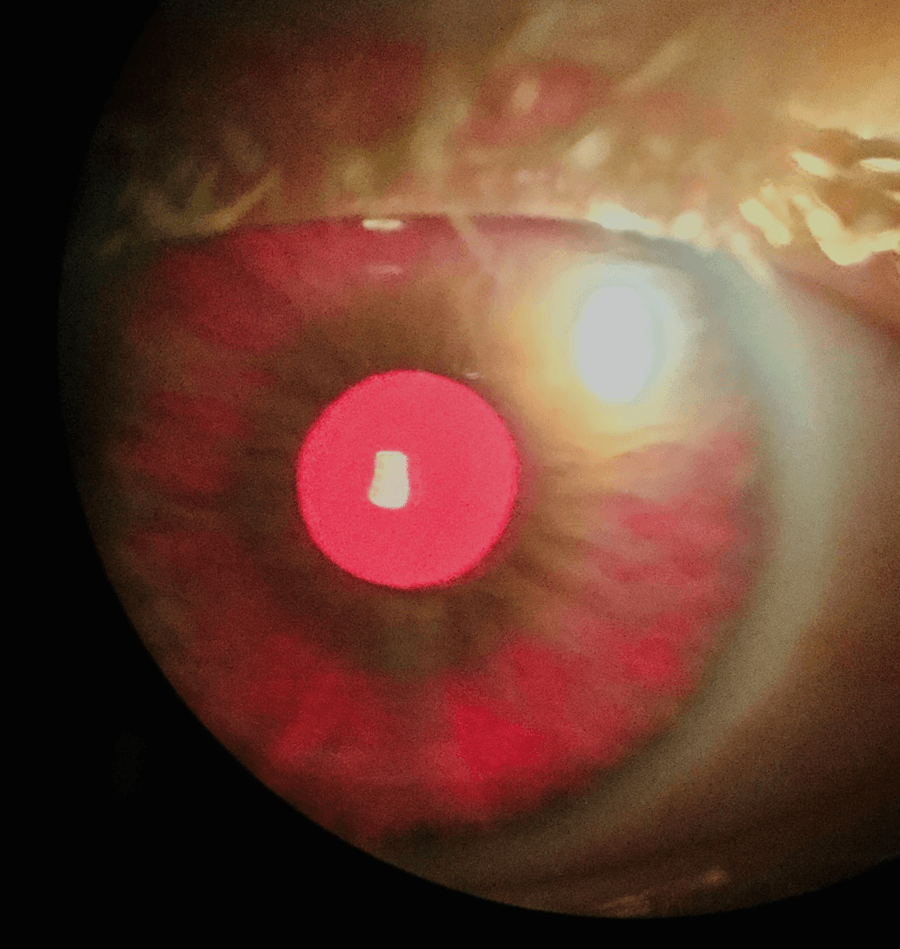
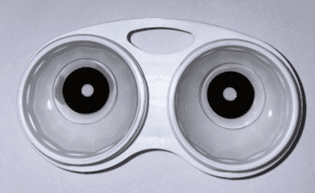
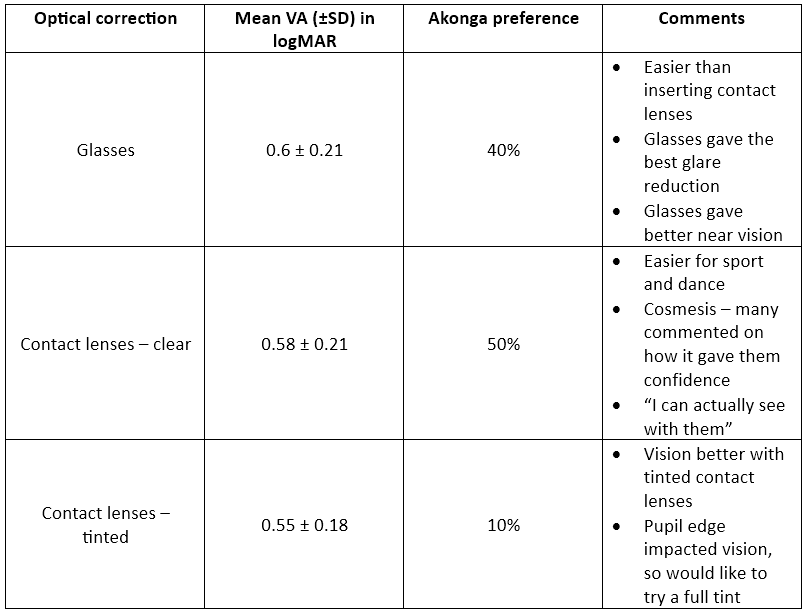
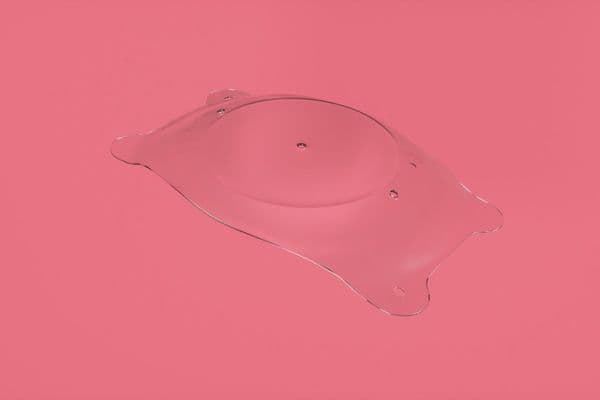
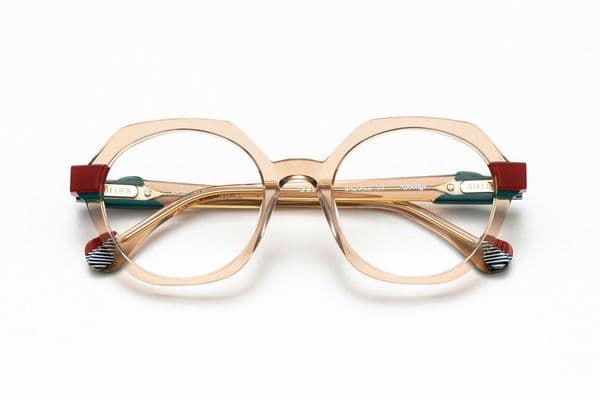
The right eye results were used only for analysis. Glasses correction had a mean spherical power of +2.78DS (range -19.75 to +10.50DS), with astigmatism correction of -1.73DC (range of -3.75 to 0.00DC). This aligned with expected high prescriptions of hyperopia, myopia and astigmatism, all known to be present in individuals with albinism. Questionnaires indicated 50% of akonga wore glasses reliably, 26.7% did not wear glasses (even though they were prescribed) and 23.3% were variable wearers who stated they used them primarily for glare reduction via tint or photochromic lenses. As expected, higher refractions were associated with increased likelihood for glasses wear. The CLs fitted had a diameter of 14.5mm with base curves ranging from 8.2-8.8mm with 8.4mm being the most common. There were no significantly different prescriptions between glasses and CLs prescribed once vertex distance was accounted for. CL fitting was achieved through trial fittings due to nystagmus making topographical assessment of corneal curvature unreliable. Akonga got the opportunity to trial both tinted and clear CLs, which were supplied in a randomised manner with a minimum six-week trial of each.