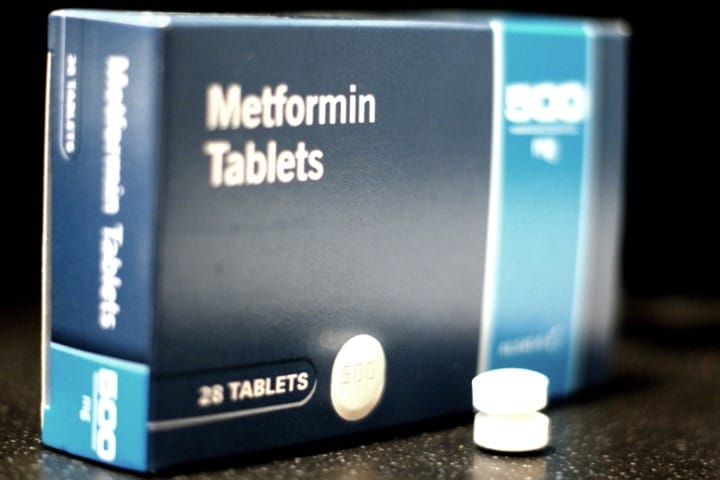
Austrian researchers found systemic metformin reached the human lens capsule and suppressed lens epithelial cell proliferation in a laboratory model, suggesting the drug may have potential as a pharmacological adjunct for posterior capsule opacification (PCO) prevention after cataract surgery.
Writing in the British Journal of Ophthalmology, authors from the Vienna Institute for Research in Ocular Surgery said PCO is the most common long-term complication of cataract surgery and is driven by proliferation of residual lens epithelial cells. They said their findings provide the first clinical and experimental evidence that systemically administered metformin reaches the human lens capsule at clinically relevant concentrations and could complement existing mechanical strategies for preventing PCO, though larger studies are needed.
The team measured metformin concentrations in serum and lens capsule tissue from 20 patients with type 2 diabetes undergoing routine cataract surgery who were taking oral metformin. Metformin was detectable in both compartments and capsule and serum concentrations were significantly correlated (r=0.553, p=0.011). Patients were stratified by daily dose of ≤1,000mg or >1,000mg, but capsule concentrations were similar between groups, while serum levels were higher in the low-dose group.
The researchers then cultured anterior lens capsules from non-diabetic donors with or without metformin at 0.75pg/µL, reflecting the mean concentration detected in patient capsules. Over 14 days, metformin significantly reduced lens epithelial cell proliferation compared with controls (p<0.001).