There is a well-understood narrative for the history of humanity. It describes how we made our way from the Stone Age to Instagram and all of those small miracles we take for granted: the computer in our pocket, the satellites we put in space, the digital clocks on our appliances that blink ‘00:00’, waiting for us to demonstrate that we are altogether smarter than the cavemen we left behind.
It lays out our steady ascent from hunter-gatherers to settled farmers, surplus food production fuelling population growth and leading on to the creation of cities, and all of that making possible the kingdoms, empires and civilisation. Then onwards to science, capitalism, the Industrial Revolution and the modern bureaucratic state. But what if archaeologists were to unearth a whole lot more in the ruins of lost cities and civilisations? What if expert study of this evidence suggested this version of settled history is mistaken and far from the whole picture?
This is what I learned last summer holidays from The Dawn of Everything: A New History of Humanity by David Graeber and David Wengrow, a book I have been quoting to people all year. “You must read it,” I tell them, “It’s astonishing”. It might seem indisputable that the way we moved forward was the one that served humanity best. But is it possible we took some wrong turns along the road to paradise and ended up here instead? The authors take stock of where we’ve landed and declare this world of ours to be – notwithstanding our immense accomplishments – one of “war, greed, exploitation and systematic indifference to others’ suffering”.
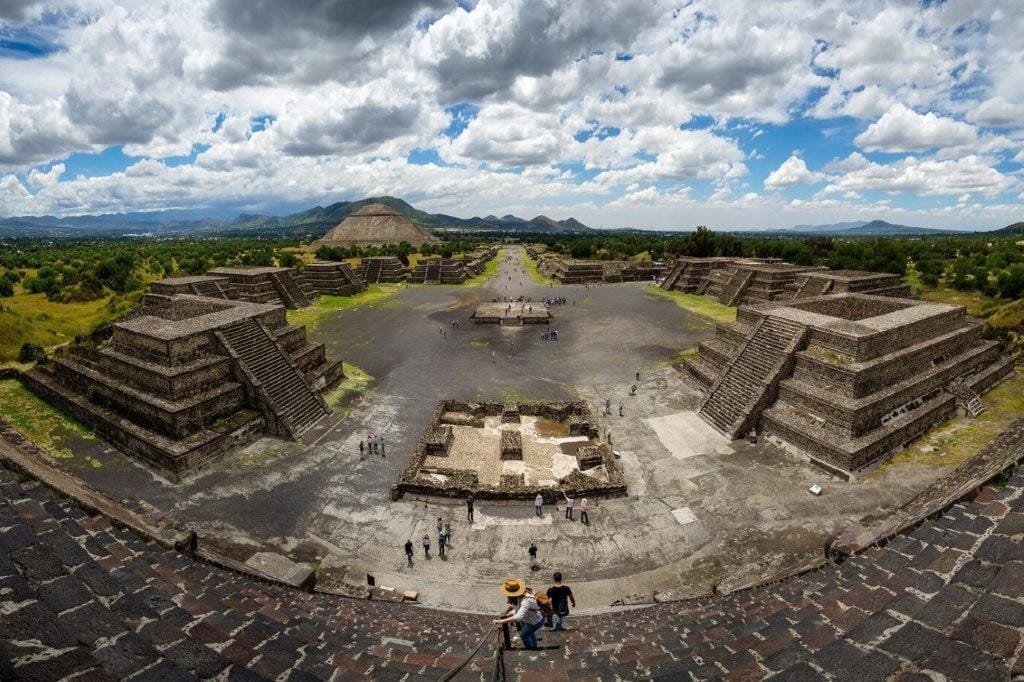
Graeber and Wengrow offer some fascinating instances of turns taken by other societies, which found ways of living that were a happier proposition for all. This is not crank science or swivel-eyed conspiracy stuff – it’s authoritative scholarship drawing on a wealth of recent archaeological discoveries. In particular, they write of the especially striking ancient Mexican city known as Teotihuacan, as large and as magnificent as Rome. “Many citizens enjoyed a standard of living that is rarely achieved across such a wide sector of urban society in any period of urban history, including our own,” they tell us. And the citizens protected that. At one point, they found themselves sliding towards authoritarianism and recoiled in horror. They abruptly changed course and abandoned monument-building and human sacrifice in favour of construction of high-quality public housing.
We might well say, “Very good, but where are they today, eh?” And that would be a fair question. But to the victor can go the spoiling of history.