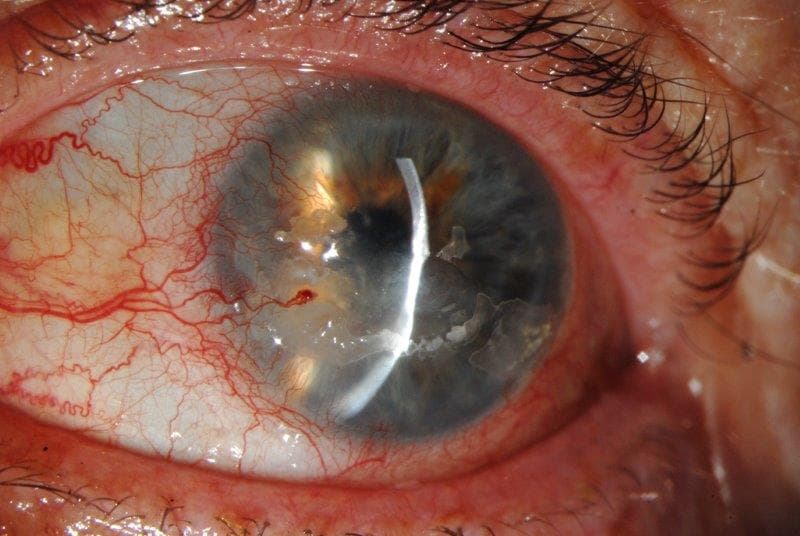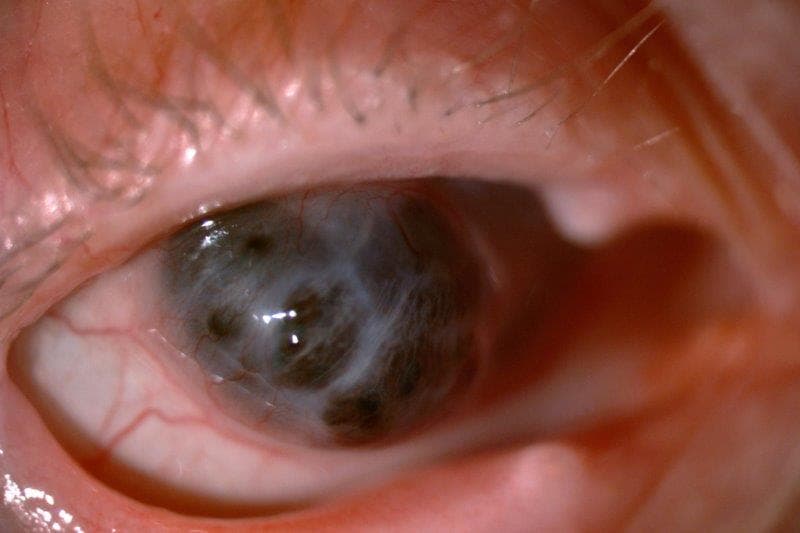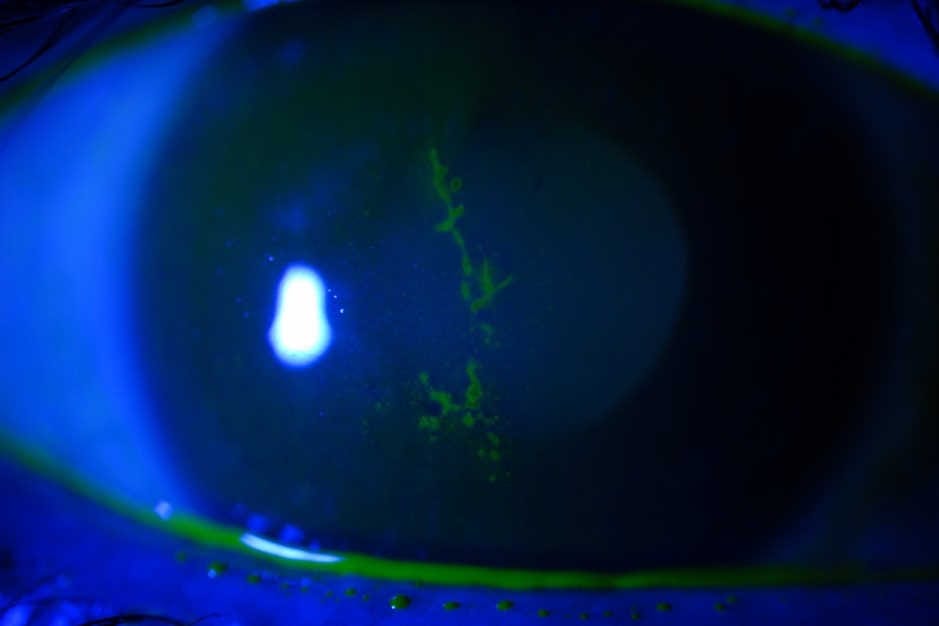
This update will answer some of the common questions surrounding herpes zoster ophthalmicus (HZO) and highlight recent research, including several key findings from studies performed in Auckland.
What is herpes zoster?
Herpes zoster (HZ), also known as shingles, is usually characterised by pain, followed by the development of a vesicular rash, which is unilateral and typically affects one dermatome. Without vaccination, up to one-third of people are estimated to be affected by shingles during their lifetime, rising to one-half of those who live to 80 years.
Shingles is caused by reactivation of the varicella zoster virus, with the initial infection occurring as varicella (chicken pox). The virus remains dormant in cranial nerve and dorsal root ganglia until it reactivates due to waning cell-mediated immunity that occurs with advancing age. The most common location of herpes zoster is the torso.
How often does HZO affect the eye?