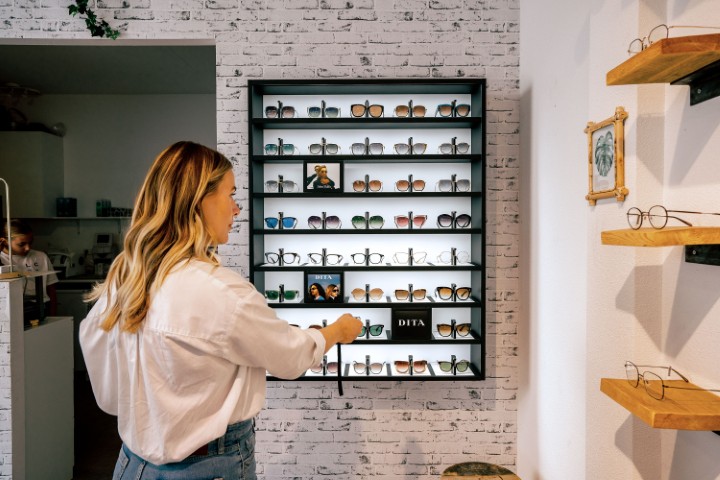










Inventory management is one of the most impactful ways I support practices. Done well, it streamlines systems, improves cash flow, enhances the patient experience and increases profitability. Conversely, poorly managed inventory can create stress, tie up cash and limit a practice’s ability to grow.
Before moving into optometry business coaching, I began my career in customer service within the aviation industry. In aviation, every detail matters – clarity, consistency, presentation and value all influence how a customer feels about their journey. The same applies in optometry practices. Inventory management isn’t just about what you buy; it’s about how confidently and easily patients can engage with your offer.
Across these roles, one lesson stands out: the right product, displayed in the right way and at the right price, can make or break a business. This principle applies as strongly to optometry practices as it does to any customer-focused service environment.
I like to think of inventory management as planning a journey. If you don’t know your destination, any road will do – but it’s unlikely you’ll end up where you want to be. You need a clear destination (your brand and demographic), the right vehicle (your product mix), a map (merchandising and range plan) and enough fuel (cash flow). Pricing balances value and sustainability – price too high and you could lose patients; price too low and the journey isn’t viable.
So the question is: where is your inventory strategy taking you?
Recognising inventory stress
Inventory stress can appear in many ways: too much stock, too little, excessive duplication in style, colour or price point, or noticeable gaps. Common symptoms include aged stock, cash-flow pressure, wasted resources and compromised patient experience. Price sensitivity and online competition are causing patients to delay or shop around, making clear value messaging and strong in-practice recommendations more important than ever.
Many practices hold stock for up to two years, often purchasing reactively during rep visits rather than proactively. But without a structured plan, businesses miss sales opportunities and risk financial stress.
To simplify purchasing and maximise results, inventory management needs structure. There are five key foundations:
Visual merchandising
Effective visual merchandising simplifies the patient journey. Frames can be displayed by brand, colour, price point, or category, or a combination. Colour blocking works well, allowing patients to engage with frames they know suit them. Feature bays, promotional areas and cross-category displays – such as sunglasses within frame displays – prompt purchases and conversations. A clear merchandising map aligns the team and removes guesswork.
Pricing with purpose
Pricing is one of the most misunderstood areas of inventory management. Products are only worth what patients are willing to pay, shaped by brand, location and demographic. Gross profit (GP) percentage alone doesn’t tell the full story; GP dollars matter most. High-priced frames may have a lower GP percentage, but they often deliver significantly higher GP dollars. Clear price bands and transparent matrices make pricing simpler for staff and patients.
Range planning, buying and clearance
A range plan ensures your patients get what they want when they want it. It saves time, controls costs and supports profitability. Identify your ‘sweet spot’ price point and build your range around it.
Buying should be structured, with monthly replenishment rather than reactive bulk orders. Account managers are business partners for training, strategy and optimisation – not just reviewing stock.
Clearance strategies are crucial. Aged stock ties up cash and impacts perception. Structured plans – through rotations, promotions, or clearance bays – recover cash, refresh displays and support additional sales. Stock that doesn’t sell after these steps is often better written off than left to stagnate.
Summary
Great inventory management starts with knowing your destination, understanding your demographic and building a merchandising plan that reflects your brand. Supported by clear pricing, range, buying and clearance strategies, your inventory becomes a tool for growth rather than a source of stress.
When your inventory strategy is clear, the path forward becomes much easier to navigate.

Laura Davies Flannagan is a business coach for ProVision, a network of over 450 independent optometry practices across Australia. With over 22 years’ experience in the optical industry, she brings practice-level insights and corporate expertise from business development roles with Essilor and Nikon.