
AUSCRS 2018: The most successful ever
This year’s Australasian Society of Cataract and Refractive Surgery (AUSCRS) meeting was held in Noosa, Queensland from October 17-20.
Dr David Kent8 min read
This year’s Australasian Society of Cataract and Refractive Surgery (AUSCRS) meeting was held in Noosa, Queensland from October 17-20.
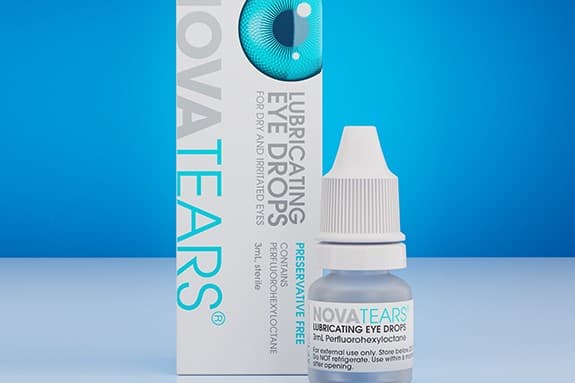
Australia has effectively approved a new class of treatment for Evaporative Dry Eye (EDE), NovaTears, on the Pharmaceutical Benefits Scheme (PBS). The solution is free from preservatives, water and
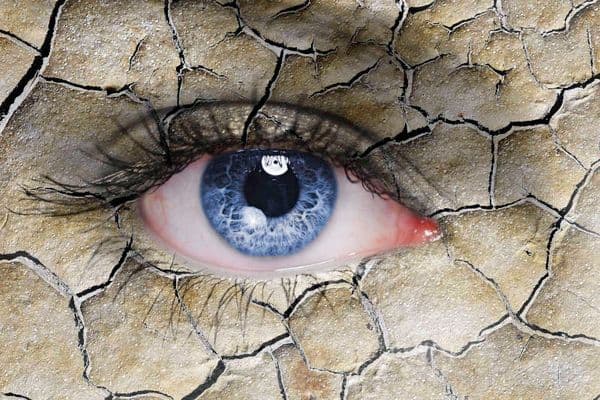
Researchers say immune cells that normally rush in to protect the eyes from infection might actually be disrupting moisturising glands and causing dry eye disease (DED). This finding, from a team led

A characteristic of dry eye disease (DED) is the presence of inflammation, a significant driving factor of the vicious circle that is DED. TFOS second dry eye workshop (TFOS DEWS II) aptly described this process as being initiated by evaporative water loss leading to hyperosmolar tissue damage. This
Optometrists are becoming increasingly aware of the challenges facing dry eye patients. Compliance with home treatments for dry eye can be variable and patient adherence to treatment instructions tend to diminish following an enthusiastic start. The recent TFOS DEWS II report provides excellent curr

It’s become clear, as our knowledge has evolved, that dry eye management, if performed thoroughly, cannot be squeezed into a normal examination as part of a standard eye examination. You wouldn’t expect to perform a full glaucoma work-up within a standard eye examination and neither should you expec
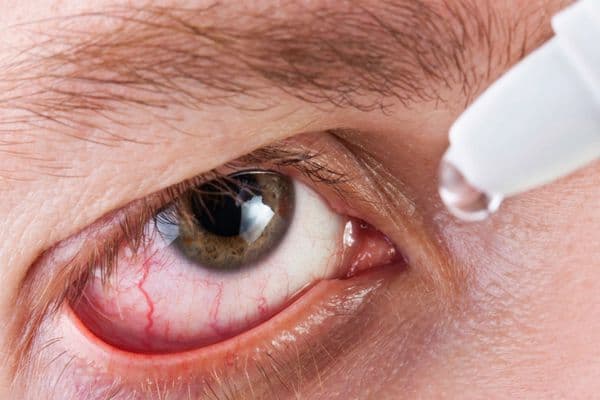
Deficiency in tear film quality and quantity are often considered key defining characteristics of dry eye disease (DED). The complex, dynamic multi-component structure, which comprises an underlying aqueous-mucous layer and a superficial lipid layer, synergistically maintains ocular surface homeosta

The modern workplace is a hostile environment for a dry eye sufferer. Computer use decreases blink frequency and completeness, leading to lipid layer breakdown and increased aqueous tear evaporation, while air-conditioned office environments frequently further aggravate the disrupted tear film.
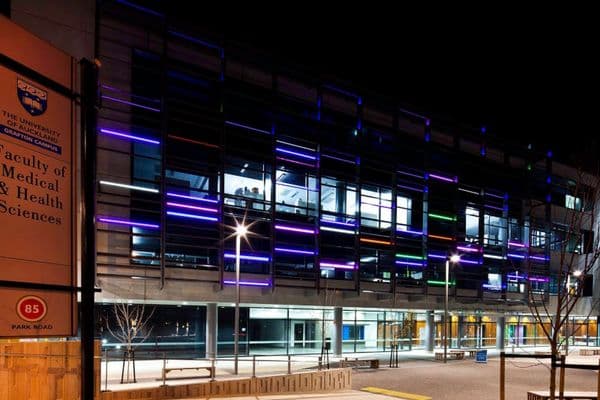
Over the year there’s been a strong team of individuals working under the Ocular Surface Laboratory (OSL) banner. We look at some of what's been happening.

Adverse environmental conditions, including high airflow velocity and low relative humidity, are recognised to exacerbate dry eye signs and symptoms. Topical artificial tear supplements are among the most commonly used therapies for dry eye disease, although the protective effects of eye drop applic

Tear film stability measurement is an integral component of the assessment of dry eye disease. Although ocular instillation of sodium fluorescein via impregnated strips is conventionally used to visualise tear film breakup, it is also recognised to destabilise the tear film, reducing stability measu
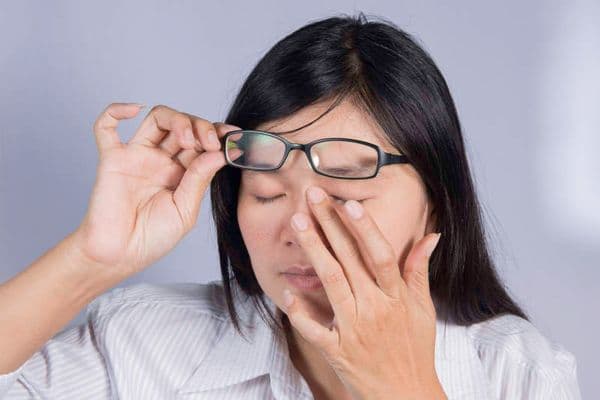
Asian ethnicity is recognised to be a significant risk factor for the development of dry eye disease, with a higher prevalence and severity of dry eye signs and symptoms consistently reported in Asian populations relative to Caucasian cohorts in the literature. However, the effects of environmental