


ISCEV 2018 Technical Teaching Symposium
Earlier this year I was fortunate enough to attend the ISCEV (International Society for Clinical Electrophysiology of Vision) clinical teaching symposium in Reims, France.
Juliet Ware4 min read
Earlier this year I was fortunate enough to attend the ISCEV (International Society for Clinical Electrophysiology of Vision) clinical teaching symposium in Reims, France.
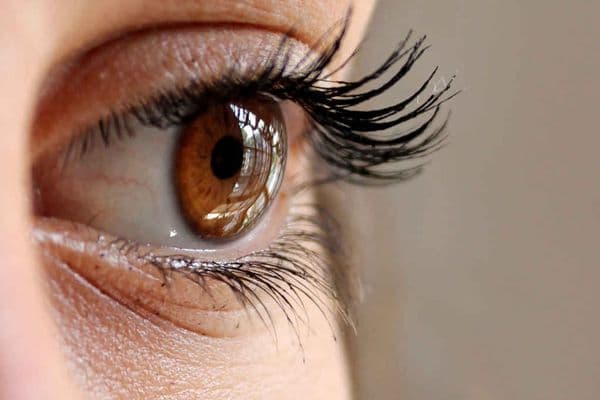
Anterior lamellar keratoplasty (ALK) has always been an attractive option for treating anterior corneal pathology, such as scars following trauma or infectious keratitis, and superficial corneal dystrophies. Removing only an anterior corneal lamella with retention of posterior corneal tissue allows

For anyone who has followed these specialty contact lens articles over time you will have noticed a conspicuous lack of mention of the dominant segment of the contact lens market - soft lenses. The
Current glaucoma treatment focuses on the reduction of intraocular pressure, via medical management, laser trabeculoplasty or surgery. However, a significant number of patients with primary open angle glaucoma (POAG), the most common type of glaucoma in New Zealand, will progress to visual impairmen
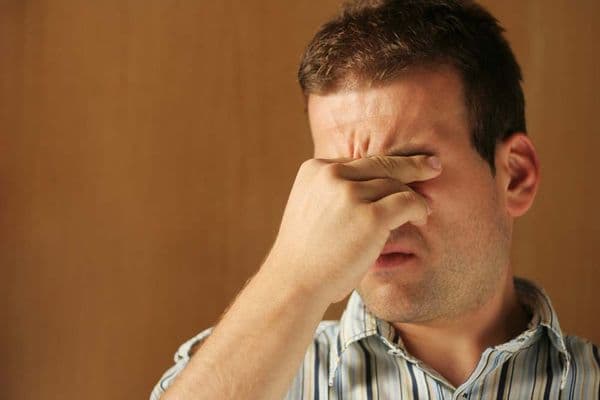
The term allergy is defined by the American Academy of Asthma, Allergy and Immunology as “a chronic condition involving an abnormal reaction to an ordinarily harmless substance called an allergen.”

With the holiday season fast approaching what should we be advising our glaucoma patients on alcohol consumption? Should we be advising them to dial back the summer partying?
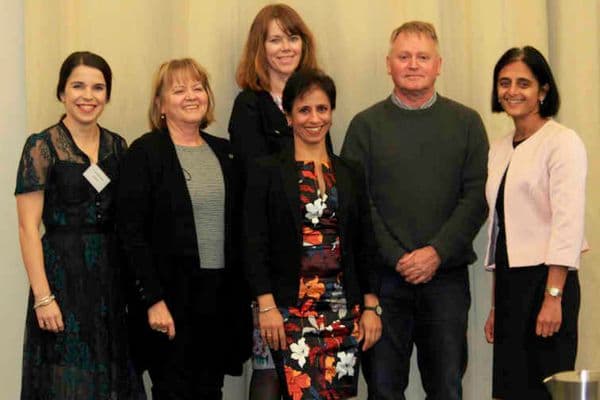
The 2018 Save Sight Society conference opened with a hustle and bustle of registration as more than 100 attendees, including ophthalmologists, optometrists and ophthalmic nurses, had made the trip to Nelson tempted by the conference theme, Challenging Eye Care: Beyond Major Urban Centres.

A week in Fiji sounds very appealing in mid-winter, but a Volunteer Ophthalmic Services Overseas (VOSO) trip is no picnic in the sun - though there was a bit of that as well.

Snowvision, a boutique fundraising conference which aims to send two Kiwi optometrists each year to study at the State University of New York (SUNY), is organised biennially by myself and Hamish Caithness, who look after the speakers’ programme, and Catherine Small, Dave Robinson and Kim Taylor, who
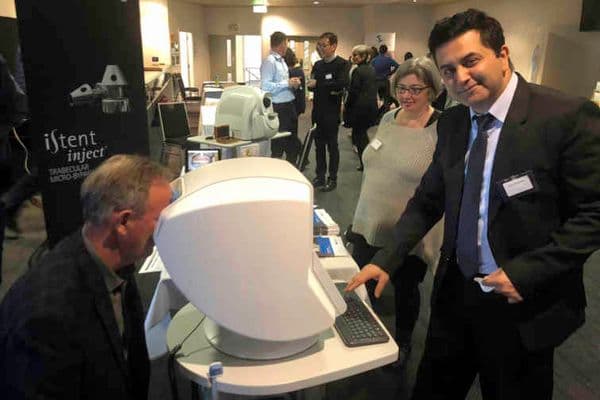
An upbeat entrance through a high-tech trade fair was the welcome for this year’s glaucoma New Zealand symposium at Alexandra Park in Auckland. A record number of nurses and ophthalmic technicians, and even one GP, turned up as part of the 120-strong delegate list to hear talks and case studies from

The ’80s: bad hairdos, shoulder pads, high-waisted jeans and male optoms vastly outnumbering female optoms. Then, in 1987, things changed. For the first time, female optometry students outnumbered males and this has been the pattern ever since, except for 2001.

Relative afferent pupillary defect (RAPD) is one of the more important clinical signs in neuro-ophthalmic examination. Quite often its presence is the only objective sign of unilateral or asymmetric