Summer’s blight: pterygia
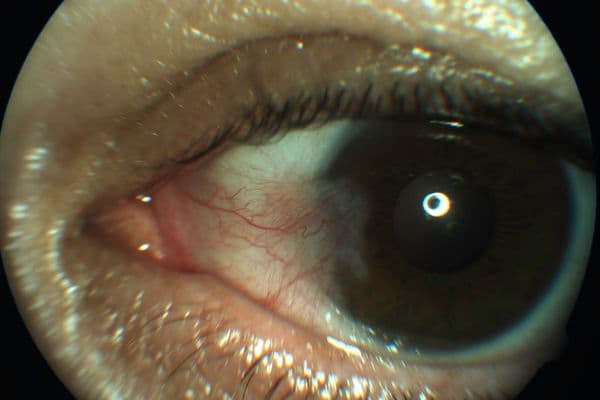
A pterygium is a common benign ocular surface growth. It typically starts on the nasal conjunctiva close to the limbus as a pinkish, triangular tissue growth and extends across the cornea. The cornea

A pterygium is a common benign ocular surface growth. It typically starts on the nasal conjunctiva close to the limbus as a pinkish, triangular tissue growth and extends across the cornea. The cornea

A characteristic of dry eye disease (DED) is the presence of inflammation, a significant driving factor of the vicious circle that is DED. TFOS second dry eye workshop (TFOS DEWS II) aptly described this process as being initiated by evaporative water loss leading to hyperosmolar tissue damage. This

It’s become clear, as our knowledge has evolved, that dry eye management, if performed thoroughly, cannot be squeezed into a normal examination as part of a standard eye examination. You wouldn’t expect to perform a full glaucoma work-up within a standard eye examination and neither should you expec

Deficiency in tear film quality and quantity are often considered key defining characteristics of dry eye disease (DED). The complex, dynamic multi-component structure, which comprises an underlying aqueous-mucous layer and a superficial lipid layer, synergistically maintains ocular surface homeosta

Ocular allergy represents a group of hypersensitivity disorders that primarily affects the conjunctiva.

Contact lens wear is associated with discomfort. This presents a real problem for wearers, practitioners and industry as discomfort is one of the main reasons for contact lens wearers to drop out of lens wear.

Since our last dry eye special feature, dry eye has gone mainstream. We are proud to bring you the latest update on all things dry eye from this part of the world and further afield, recognising the collaborative efforts ongoing in dry eye today, many initiated or involving our own University of Auc

The tear film and ocular surface are extremely complex, with tear film playing a vital role in maintaining ocular surface health. Not only does it provide lubrication but also many neuropeptides, vitamins and growth factors essential for the health of the corneal epithelium. Given the complexity of

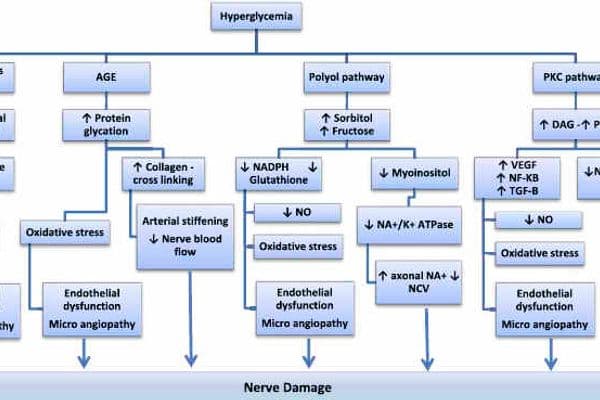
Diabetes has now reached epidemic proportions affecting millions of people across the world. It is estimated around 54% of patients with diabetes suffer from some degree of dry eye syndrome.

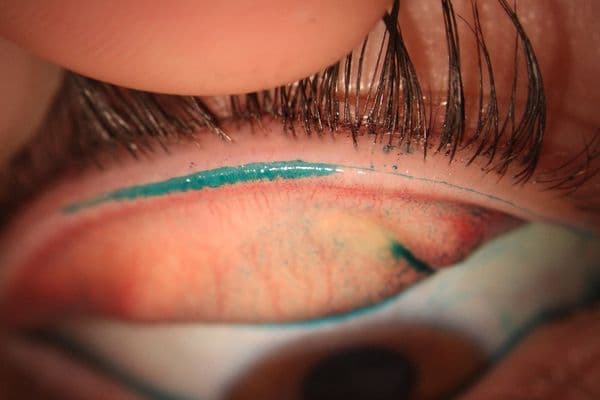
We blink around 10,000 times a day, with the eyelids traversing the length of a football pitch in distance each day. Wiping over the eye’s surface with every blink is the “lid wiper”, a 1-2mm thin portion of the inner eyelid margin. We assume that friction is increased here during blinking, especial

It’s been a full year since the outcomes of the Tear Film & Ocular Surface Society’s second Dry Eye Workshop (now better known as TFOS DEWS II) were released to the world in a series of 10 reports that distilled the scientific evidence and provided an updated global consensus view on various asp

After the welcome and mihi, Jack Phu from the Centre for Eye Health in Sydney opened this year’s University of Auckland School of Optometry and Vision Science (SOVS) conference with a talk on reconciling structure and function in disease diagnosis.