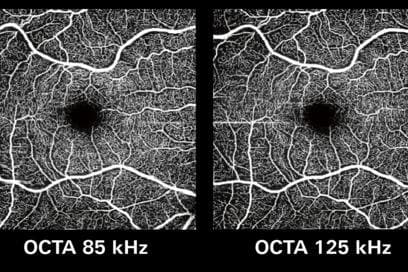
OCTA shifts up a gear as buy-ups progress
Heidelberg Engineering announced the FDA has cleared the Spectralis OCT angiography (OCTA) module with Shift technology, which halves the device’s previous image acquisition time.
Staff reporters3 min read
Heidelberg Engineering announced the FDA has cleared the Spectralis OCT angiography (OCTA) module with Shift technology, which halves the device’s previous image acquisition time.

Global toy giant Mattel has released a blind Barbie and a Black Barbie with Down syndrome, encouraging more children to tell their stories through play.

Hospitals would do well to put a folding chair or stool in patients’ rooms to enable eye-to-eye contact from clinicians to aid patient recovery, revealed a US study.
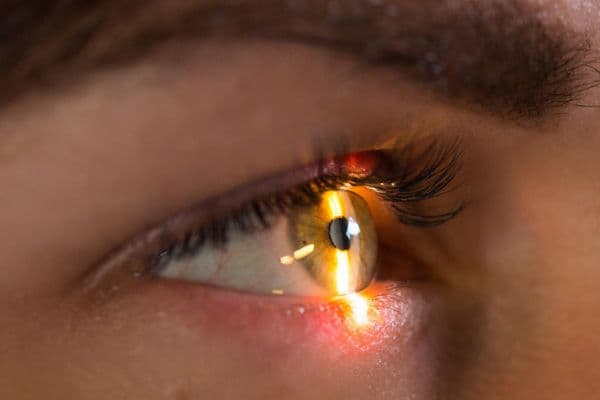
Two optometrists have been found in breach of the Code of Health and Disability Services Consumers' Rights after a woman lost sight in her right eye due to a retinal detachment. The deputy health and disability commissioner (HDC) ruled the optometrists failed to provide services with reasonable care
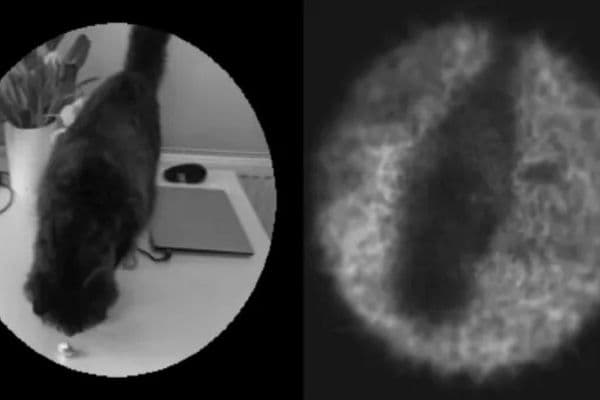
Elon Musk’s declaration that Blindsight, a cortical implant to restore vision, “may ultimately exceed normal human vision” has been denounced as “unrealistic at best” by US neuroscientists.
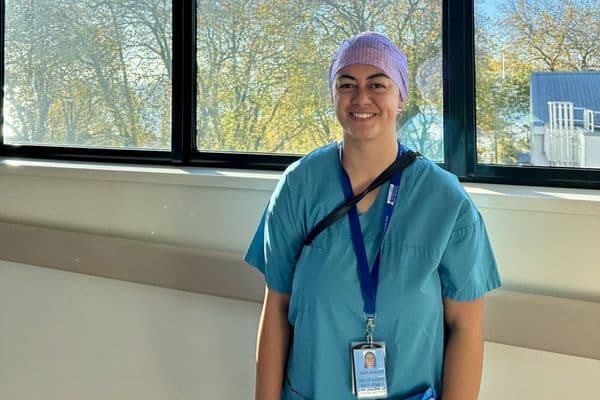
The Vision Research Foundation is welcoming applications for travelling scholarships to Māori and Pasifika optometry and medical students to attend the 2024 Women in Vision conference.

The 2024 Medical Training Survey (MTS), designed to shape the future of medical training in Australia, is now open.

A bionic eye provided ‘substantial improvement’ in the functional vision and quality of life of four patients with retinitis pigmentosa, reported researchers who conducted Australia’s first clinical trial of the device.

A new study showed fenofibrate, a drug traditionally used to lower cholesterol, can significantly reduce the progression of diabetic retinopathy (DR).

A randomised, controlled trial of primary open-angle glaucoma (POAG) patients showed their intraocular pressures (IOP) were significantly elevated when they experienced stress. The study, publ

Myopia in children rapidly increased during the Covid-19 pandemic, then temporarily decreased and subsequently rebounded, a new survey of schoolchildren in China found. Examining uncorrected v

Auckland-based Eye Surgery Associates has appointed Margot Goldsmith as its new practice manager.