
New CEO for Auckland Eye
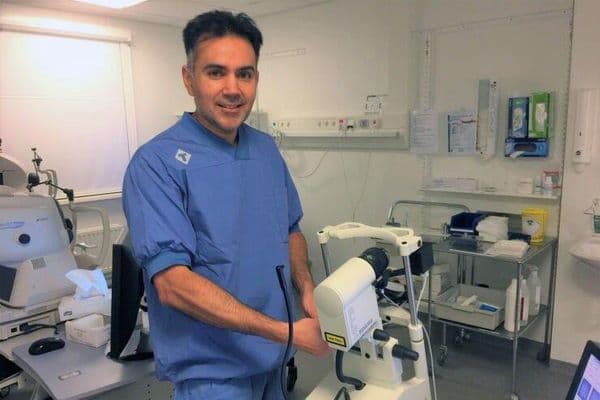
Top-quality patient care, business growth and the wellbeing of staff is the focus of Auckland Eye’s new CEO Gordon Armstrong, he said. Armstrong joins Auckland Eye from the Care Group, an East
Staff reporters1 min read
Top-quality patient care, business growth and the wellbeing of staff is the focus of Auckland Eye’s new CEO Gordon Armstrong, he said. Armstrong joins Auckland Eye from the Care Group, an East

In a bold move, CooperVision ANZ has made all the one-day contact lenses it sells in New Zealand and Australia plastic neutral.
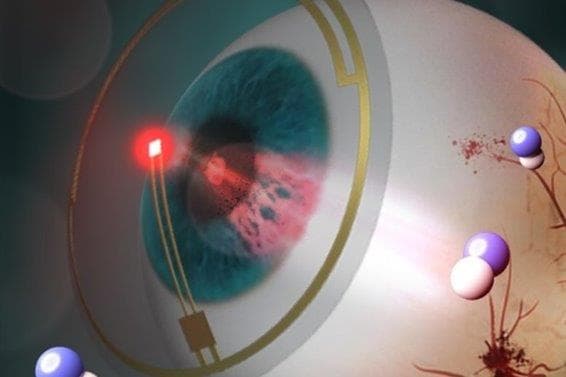
South Korean researchers have shown a contact lens (CL) that irradiates the retina with far-red/ near-infrared (NIR) light prevented diabetic retinopathy (DR) in rabbits.
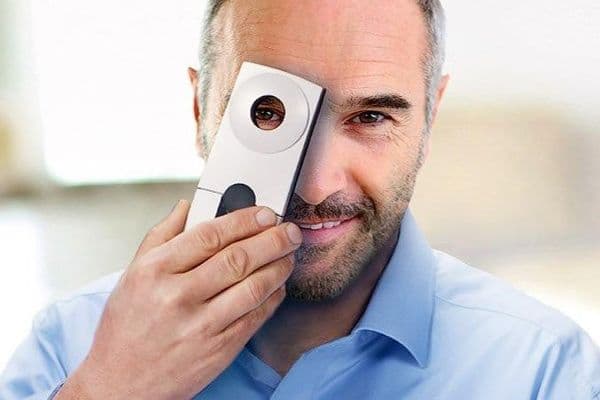
A German study has found that an implanted telemetric intraocular pressure (IOP) sensor continued to function and was well tolerated in situ for almost 10 years.

Glasgow-based optometry tech firm IbisVision is looking to raise £5m (NZ$9.4m) in the US to fund the roll out of its technology internationally.

Researchers at The University of Auckland have shown that telehealth could reduce health inequities for Māori whānau.

MSO has launched a new site, NZ Magnifiers, featuring the full range of Eschenbach magnifiers and Daylight magnifying lamps, which it said provides a more efficient and thus speedier delivery system for single orders.
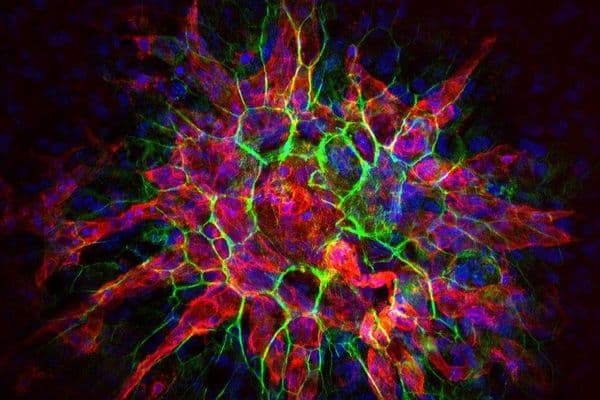
Genentech’s Vabysmo (faricimab), the first bispecific antibody to treat neovascular age-related macular degeneration (wet AMD) and diabetic macular oedema (DMO), has received US Food and Drug Administration (FDA) approval.
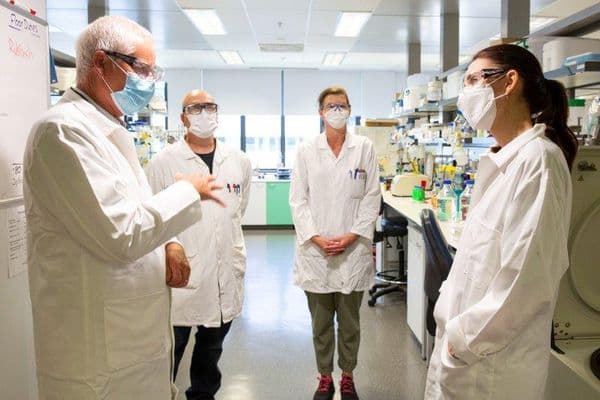
A University of Auckland (UoA) team is developing a Staphylococcus aureus vaccine based on mRNA technology developed to fight Covid-19.

US researchers have found that disulfiram (Antabuse), a drug used to treat alcoholism, could help restore some vision in retinitis pigmentosa (RP) and age-related macular degeneration (AMD) patients.
A Swedish study is looking into why some people who have recovered from Covid-19 experience long-term eye problems and if the phenomenon can be measured using biological markers.

A Taiwanese study has demonstrated some antiplatelet/anticoagulant (APAC) therapies, including aspirin, have a protective effect against diabetic retinopathy (DR) progression in diabetic