

Free Covid-19 information for Kiwis
A sponsored data partnership between the Ministry of Health (MoH) and mobile network operators Spark, Vodafone and 2degrees ensures Kiwis won’t incur mobile data charges accessing essential Covid-19

A sponsored data partnership between the Ministry of Health (MoH) and mobile network operators Spark, Vodafone and 2degrees ensures Kiwis won’t incur mobile data charges accessing essential Covid-19

The pupils of someone with post-traumatic stress disorder (PTSD) display an exaggerated response when viewing exciting or dangerous images, a UK study has found. Shocking or surprising

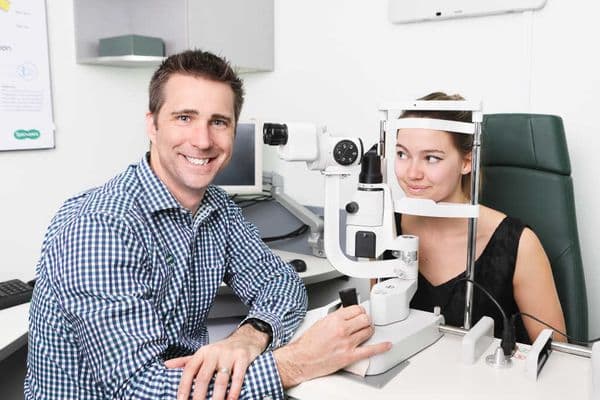
A new nationwide, patient-to-patient support group for people of all ages diagnosed with eye disease has been launched and is now seeking charitable status.

Exercise can slow or prevent the development of macular degeneration (MD) and may benefit other common causes of vision loss, such as glaucoma and diabetic retinopathy, new research suggests.

Hong Kong researchers have shown optical coherence tomography angiography (OCTA) could be useful in the early diagnosis and recognition of amblyopia.

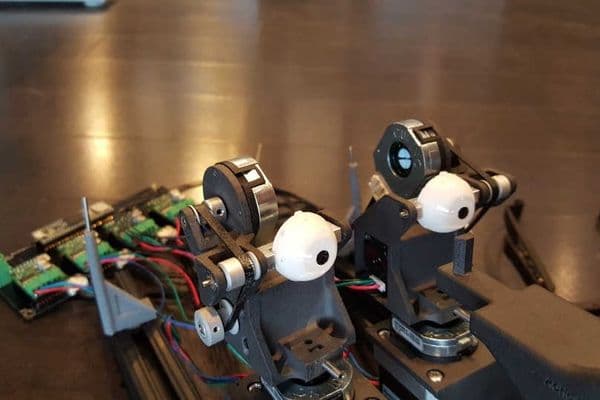
Canadian start-up OcuBlink has developed a new synthetic eyeball to deliver consistent and reliable validation of augmented and virtual reality applications.

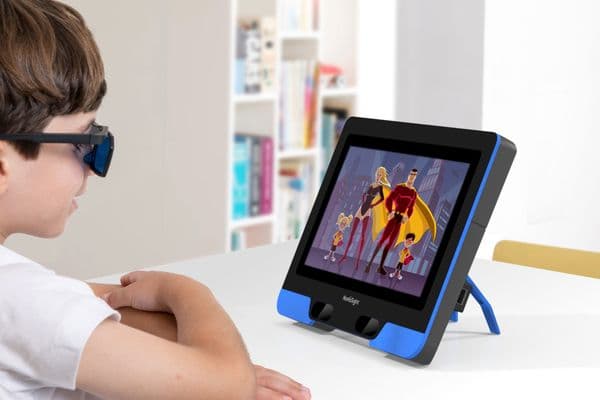
Israeli start-up Novasight has raised US$16million to run a large, multicentre, randomised trial for its lazy eye treatment device, Curesight, and support further development of its eye tracking active glasses for myopia control.

Nearly 150,000 New Zealanders missed having their eyes tested between the 15 March and 24 May, due to restrictions on optometrists opening because of the Covid-19 pandemic.

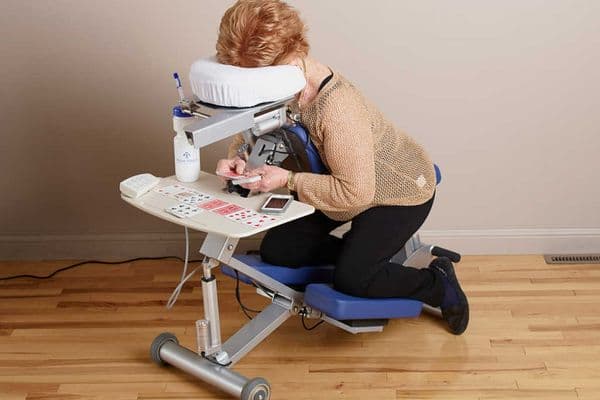
Face-down positioning significantly outperformed support-the-break positioning in a UK post-retinal detachment (RD) repair study.

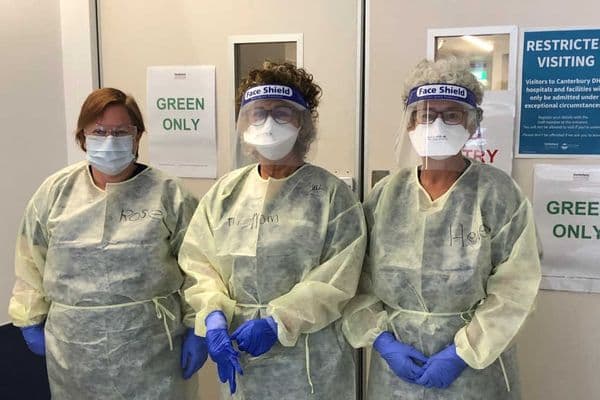
With many humbling and worthy nominations to choose from, three New Zealand lockdown heroes stood out for their compassion, tireless work and can-do attitude in our Maui Jim Nominate a Hero promotion.

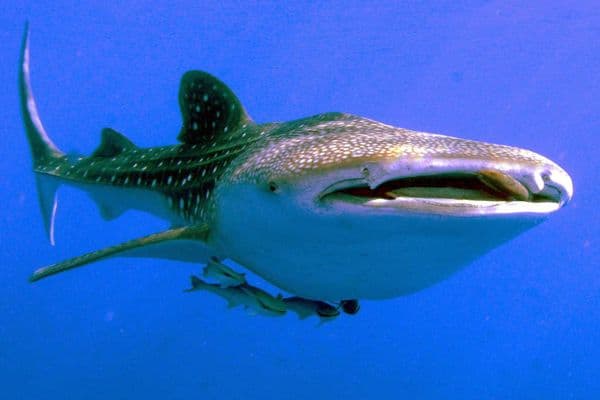
Japanese marine biologists have discovered that whale sharks, the world’s largest fish, have teeth-like scales adorning their eyeballs.

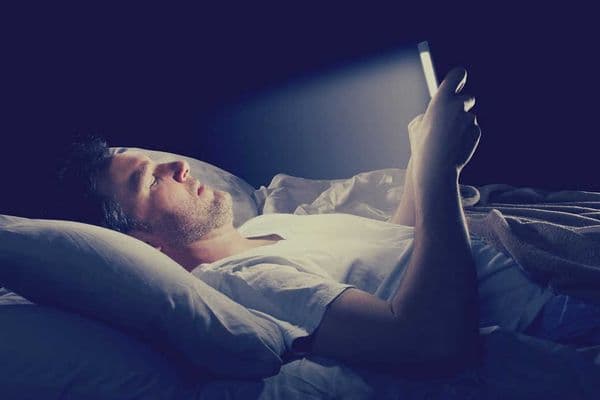
A Mexican study has found a smartphone’s night mode may protect users’ eyes from short-wavelength (blue) light more than blue light-reducing lenses.
-1.png&w=1920&q=75)