
Free ophthalmic AI model
Researchers at Moorfields Eye Hospital and UCL Institute of Ophthalmology have developed an artificial intelligence (AI) system with the potential to identify eye diseases, heart attacks, stroke and
Staff reporters2 min read
Researchers at Moorfields Eye Hospital and UCL Institute of Ophthalmology have developed an artificial intelligence (AI) system with the potential to identify eye diseases, heart attacks, stroke and
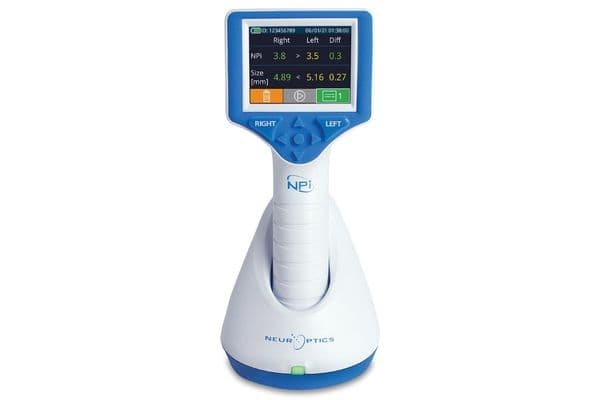
An international study found the neurological pupil index (NPi) is an effective means to evaluate disease progression and predict outcomes for acute brain injury patients. The ‘Orange’ study

Women are three times less likely to be among the first to ask questions at ophthalmology grand rounds (GR) sessions, according to a US study. Researchers led by Dr Lauren Hennein, University of

A US research team said it hopes its new ‘eye atlas’, detailing which eye cell types express certain disease-associated genes, will support the design of effective therapeutic strategies to avoid

One of the most exciting facets of being medical retina specialists is the continued evolution of age-related macular degeneration (AMD) therapies. We have come a long way from the days of

After the challenging Covid years, Macular Degeneration New Zealand (MDNZ) is back and re-engaging with health professionals, offering more learning opportunities from October 2023.

Asthma and allergy researchers have installed a pollen trap on the roof of the Auckland War Memorial Museum Tāmaki Paenga Hira to gather near-real-time data on airborne pollen and spores that can trigger a range of allergic reactions.

The government’s proposal to train an additional 95 doctors each year from 2025 to 2027, on top of the 50 additional places announced for 2024, has been met with mixed responses. An additional 285

Viridian Therapeutics announced trial results of its intravenously delivered treatment for chronic thyroid eye disease (TED), showing patients experienced reductions in proptosis and improvements in their clinical activity scores.

A novel synthetic peptide with anti-inflammatory properties potentially suited to DED management is the subject of a phase 2 clinical trial.

Māori are a third more likely to be admitted to hospital with injuries resulting from healthcare and are 43% more likely to be admitted because of healthcare complications compared with non-Māori, reported researchers from the University of Auckland.

Inflammation plays a key role in triggering and propagating dry eye disease (DED) via the ‘vicious circle’1. In severe cases, topical anti-inflammatory therapy may be indicated, but managing a patient’s meibomian gland dysfunction can often be sufficient to resolve ocular surface inflammation withou