The job of the optics industry is to support those with visual impairment and prevent others from developing it, but for patients who are neurodiverse, such as those with autism spectrum disorder, more has to be done to meet their needs
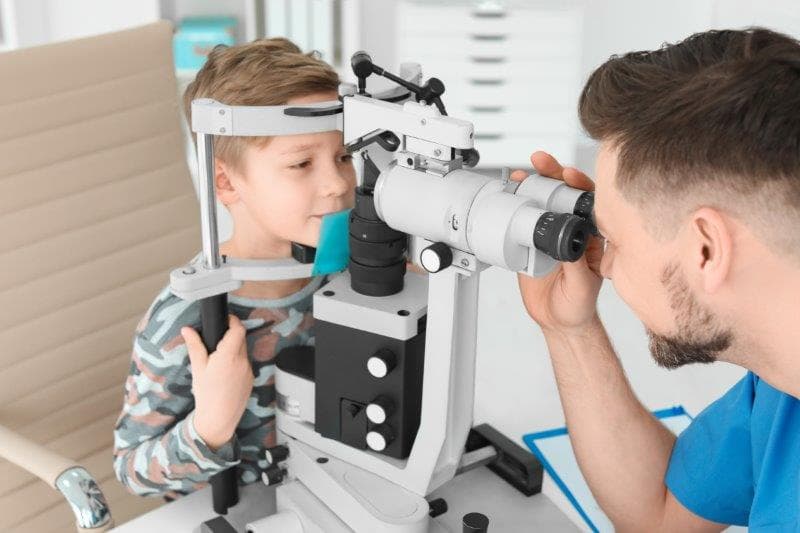
Imagine walking into a room that is a few degrees too hot, a few decibels too loud and a shade too light. You make your way from this intense space to near darkness, where a strong light is shone in your eyes. You are forced first to squint then to extend your eyelids wide to make sense of symbols just out of your focal reach; then a person you don’t know sprays air unexpectedly and painfully into your eye.
If you’re an optometrist, I can already hear you muttering, “It’s not that bad!” But this perception isn’t mine, it belongs to my 12-year-old son Isaac, who is autistic, and for whom an eye test is absolute torture.