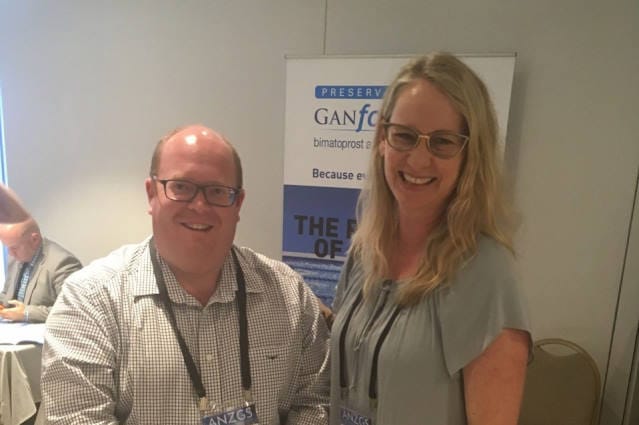
This was the first gathering of the group formerly known as ANZGIG, now the Australian and New Zealand Glaucoma Society (ANZGS), where glaucoma subspecialists from the region come together to meet colleagues, discuss difficult cases and gain insights from both local and international speakers.
This year’s conference in Sydney from 23 to 24 February commenced with presentations on a variety of rare conditions and challenging cases with robust discussion about different approaches.
The second session of paper presentations included two projects introducing new technology into patient testing. The first showed that an iPad-based perimetry programme could deliver similar results to a Humphrey visual field analyser. While there are some minor technical issues to fine tune, this is a promising development. The second looked at use of home tonometry to detect significant diurnal IOP variation in patients whose clinic IOPs had been unremarkable but whose glaucoma was progressing.
The afternoon started with a fascinating non-ophthalmic lecture by invited speaker Mr Peter Ellerton from the University of Queenslands’ Critical Thinking Project. He delivered a thought-provoking lecture on the nature of critical thinking and deliberate practice in gaining and maintaining skills or expertise. It highlighted the importance of contact with our peers to challenge biases that may influence our decision making.
This was followed by Professor John Salmon, from Oxford University who shared his views on ‘Diagnosing glaucoma. The seven deadly sins’. These included the mistakes of not taking a good history, not doing gonioscopy, not using sufficient magnification to examine the optic disc (leading to disc haemorrhages being overlooked) and not correlating disc changes with visual field findings. These ‘sins’ were illustrated by cases from his vast clinical experience and even for those seeing glaucoma patients on a daily basis they were a timely reminder of possible pitfalls.