When silicone hydrogel contact lenses (CLs) first entered the market, offering significantly improved oxygen permeability, eyecare practitioners were hopeful these would not only improve ocular health and comfort, but also reduce the level of drop-out for patients. That was 1999 and since then several manufacturers have introduced new silicone hydrogel lens variations, yet the total number of CL wearers has significantly declined¹.
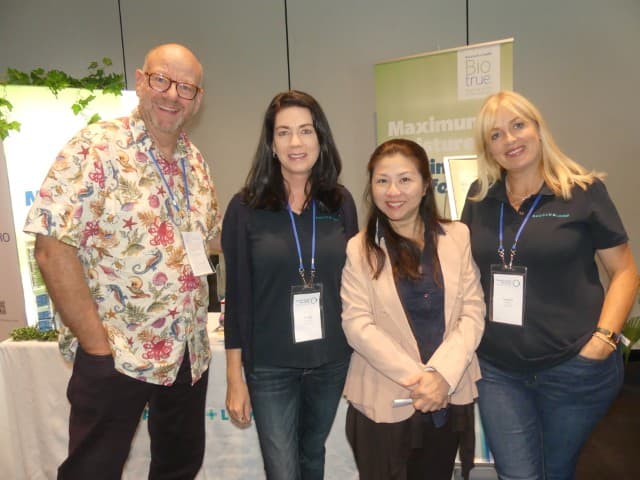
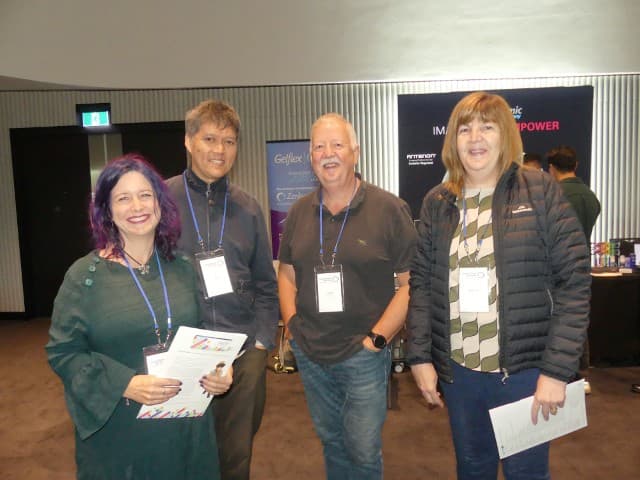
Discussing this phenomenon at the CCLS NZ 2025 conference, on behalf of the Radiant Health team, distributors of Bausch + Lomb’s CL range, specialist CL optometrist Alex Petty said for some patients, B+L’s patented hypergel lenses may be a better option.
The problem with silicone hydrogel lenses is, while they have improved clinical signs of hypoxia, they’ve been associated with an increased risk of infiltrative events for younger patients². Plus, the inherent hydrophobic nature of silicone means the lenses can suffer from poor wettability, often requiring clever coatings and surface properties to hide the silicone content. This works well for many CL wearers, but not for all, said Petty. “Silicone hydrogel lenses were an important step, but not a big leap and are definitely not the only choice for our patients.”