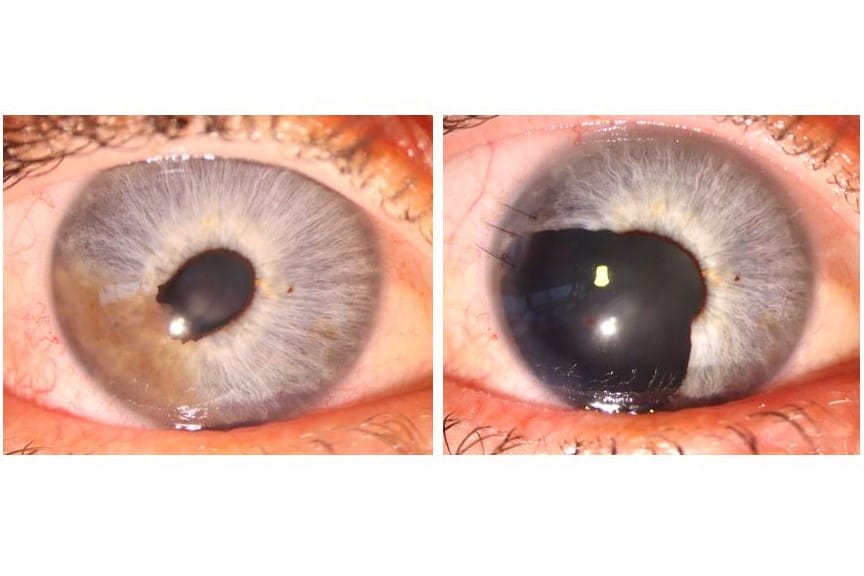
In the human eye, the iris forms a diaphragm controlling the diameter of the pupil and therefore the amount of light reaching the retina1. The eye is diffraction-limited, thus by varying the pupil diameter, the iris assists in achieving maxium depth of focus, controlling light entry in bright and low-level conditions and reducing light scatter from crystallline lens abberations to maximise vision quality2. In acquired-iris defects, such as those resulting from trauma or surgical excision of iris lesions, vision quality and cosmesis can be adversely affected.
Sign up to keep reading
Create a free Member account at NZ Optics to read this article and more.
- Read all Member articles
- Full digital magazine archive
- Early access to new articles