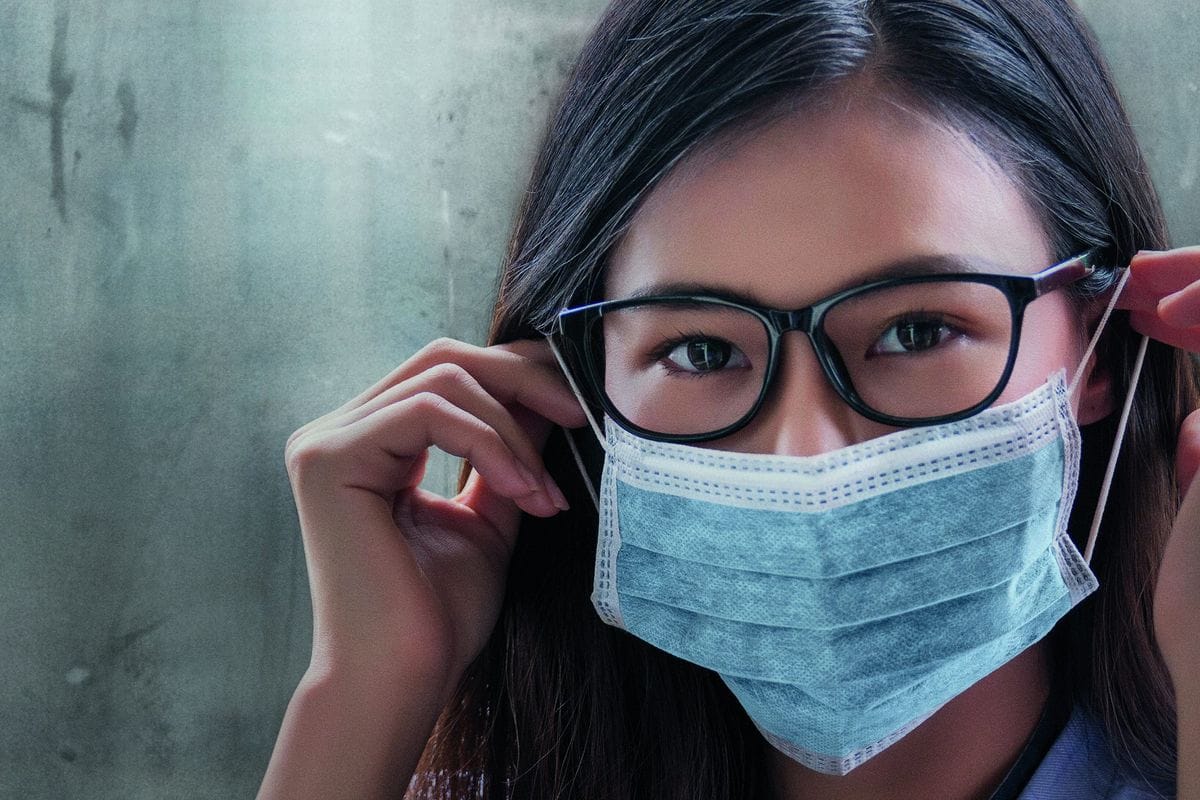
Along with everyone else, more than a year ago now, New Zealand’s optometry practices were thrown into turmoil amid a nationwide lockdown. Returning to practice a few months later, our dispensing methods had to adapt to new guidelines set by the Ministry of Health (MoH). United with optometrists, dispensing opticians (DOs) made a commendable effort to reform their processes, which now included telehealth, social distancing, face masks and personal protective equipment (PPE), sanitisation protocols and contactless service delivery.
Initially, optometry was classified as a non-essential health service and practices had to close. When working from home at alert level 4, New Zealand’s DOs were urged to use the downtime for some online training to upskill with continuing professional development (CPD). They were also encouraged to assist their business owners in creating a business recovery plan, especially with regard to the way DOs would manage patient contact in the retail part of the practice, such as creating procedures for disinfection of workstations, frames and adjustment tools.
Eyecare at arm’s length
When practices were allowed to reopen for emergencies, we quickly adapted to performing virtual triage to classify the ‘emergency’ before proceeding with any repairs or replacement of eyewear. Apart from understanding what the different alert levels meant for our daily lives, we had to further clarify what it meant for DOs in the workplace. There were limitations, of course, since the patient could not physically visit the practice to browse frames or get a prescription update until restrictions relaxed. For each alert level, MoH supplied guidelines that took time to interpret and apply, and we were forewarned about the surge in demand for health services awaiting us when we returned to alert level 2.
The dispensing process is so tactile and we work closely with the patient, so we really had to control our natural instinct to approach them – frame adjustments had to wait until lower alert levels. In the absence of in-person visits, consumers became aware of telehealth alternatives. Smartphone users uploaded photos of their eyewear, for example, for the DO to assess prior to an in-person visit. This was new to all of us, but will likely continue.