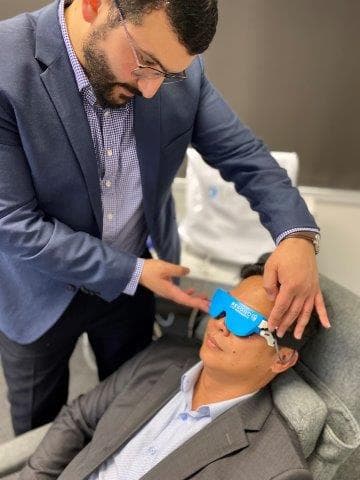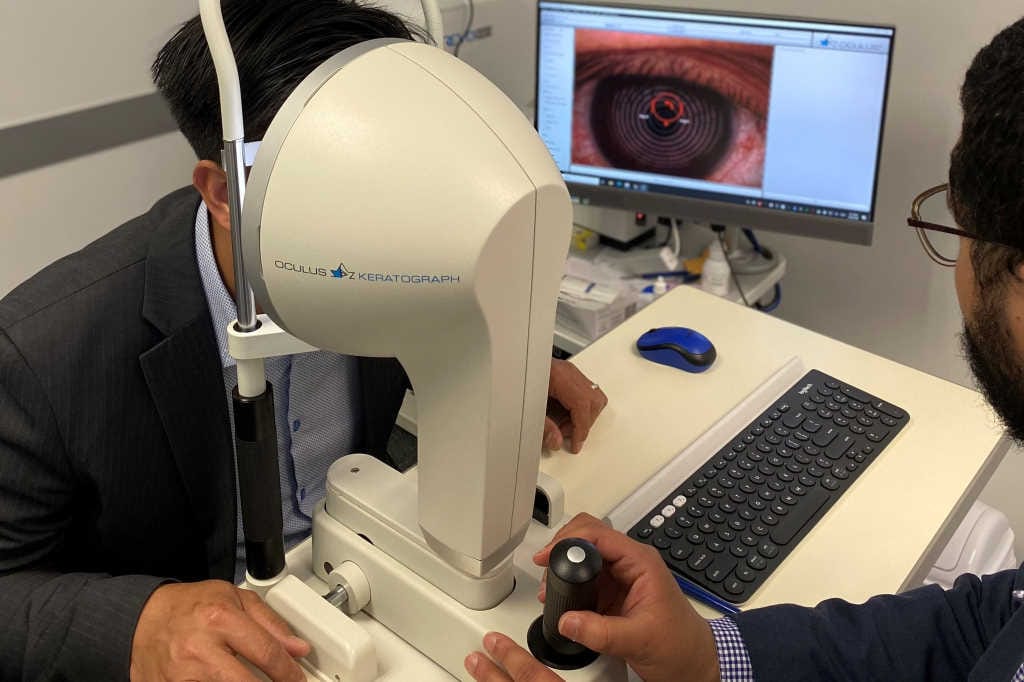
My practice focuses on specialty eye care and, much to my surprise, dry eye continues to be one of our main drawcards and is continuing to grow. A lot of the success we have experienced with dry eye has been due to the implementation of the latest dry eye technology. From a diagnostic perspective, dedicated systems provide a level of detail that allows for more precise diagnosis and better monitoring of treatment outcomes; while from a treatment perspective, advanced technology allows for more intense therapy that offers shorter treatment times with improved patient compliance.
Treating dry eye doesn’t happen overnight. It is more of a rehabilitation process than expecting results from a quick, one-off treatment. It also requires patient buy-in and trust in your diagnosis and treatment plan, and this trust needs to endure for months as the treatment progresses, often with only subtle improvements in symptoms in the initial stages. Key to keeping that trust intact is the use of technology.
Meibography: a game changer
One of the key developments in dry eye diagnostic technology has been the ability to image the meibomian glands. Meibography allows you to visualise how blocked (damaged) the glands are and judge how quickly you might expect your treatment to work. More importantly though, it allows the patient to see their meibomian gland dysfunction (MGD) for themselves. This has a powerful effect on patients and sets the foundation for good treatment compliance going forward.
Imaging and encouragement