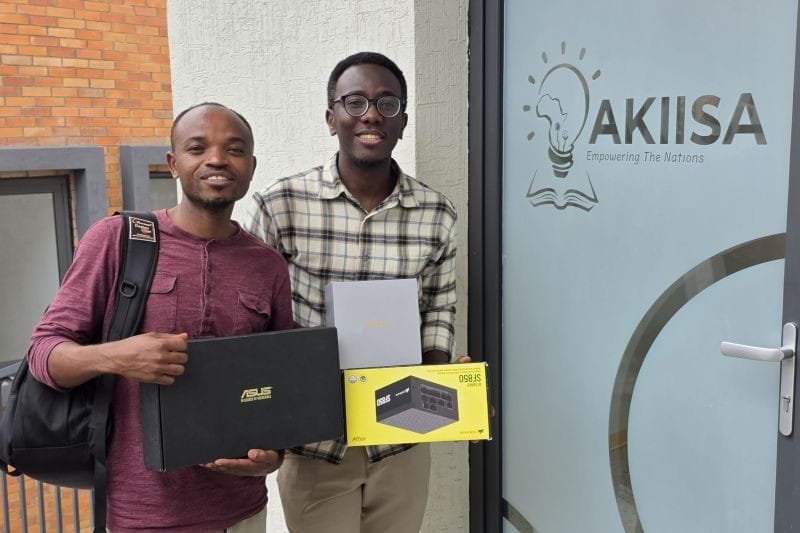
A portable graphics processing unit (GPU) tested in Rwanda could help research centres in low- and middle-income countries contribute retinal scans to Global RETFound.
The research consortium is developing, what Moorfields has described as, the first globally representative medical AI foundation model. It includes more than 100 study groups in over 65 countries and aims to train the model on more than 100 million retinal images. Moorfields said RETFound uses the retinal scans as the basis for developing AI tools for eye and systemic disease detection.
The portable GPU could help lower-resourced centres collaborate on building Global RETFound, Moorfields said, and a two-track data-sharing framework would allow sites with sufficient infrastructure to fine-tune models locally and share model weights centrally. Centres without local GPU capacity can contribute de-identified data through secure infrastructure.
“This dual approach allows participation from research groups, regardless of their resource levels,” said Dr Pearse Keane, professor of artificial medical intelligence at University College London (UCL) and consultant ophthalmologist at Moorfields.