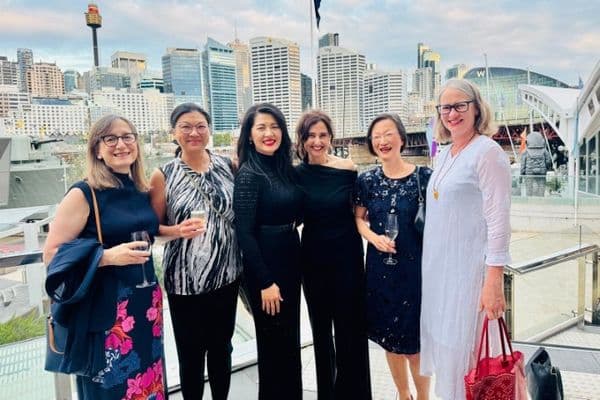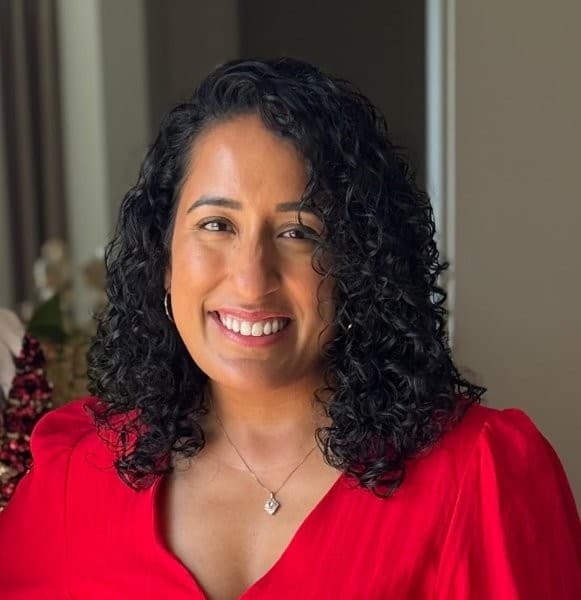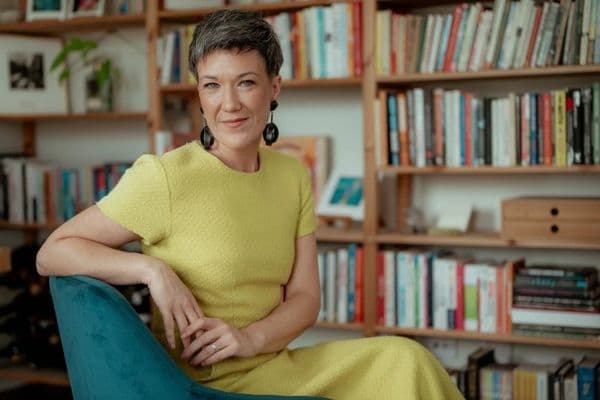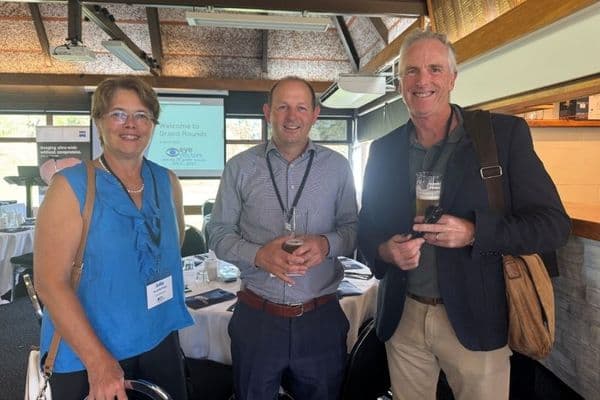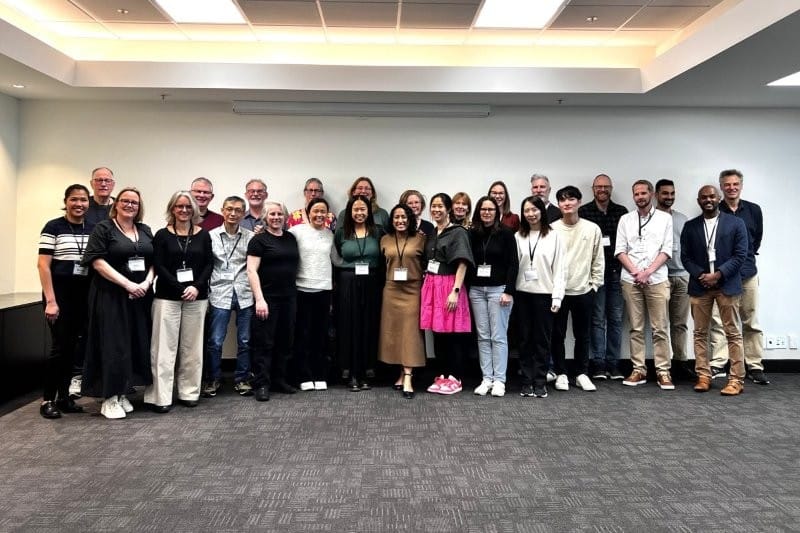
In September, I had the privilege of chairing the third annual Hospital Optometrist Peer-Support (HOPS) Conference at the Rydges Wellington Airport Hotel. The event opened on a beautiful spring morning, the sort that makes you pause and take in the crisp air and bright skies before stepping inside. The city was buzzing, filled with All Blacks and Springboks fans in town for the match that evening. Against that lively backdrop, our own gathering felt every bit as spirited, with 26 delegates joining us from Auckland to Dunedin. With familiar faces and new colleagues alike, the atmosphere was collegial, curious and grounded in our shared commitment to patient care and professional growth.
The programme covered 18 wide-ranging topics, each shedding light on an aspect of our practice that too often gets tucked away in the busyness of clinic. What struck me most was not only the breadth of knowledge but the pearls of wisdom that emerged as practical, memorable and sometimes challenging reminders of what it means to be a clinician.
Consent: more than a signature

Catherine Wong spoke on the importance of informed consent, reminding us that it is far more than the formality of a signature at the bottom of a form. Cataract surgery, for example, is considered a routine procedure, but in reality it can be complex with varying outcomes. Patients need to be genuinely well informed about the benefits and the risks, and expectations must be carefully managed from the outset.
Wong reminded us that true consent is an ongoing conversation, emphasising the clinician’s responsibility in that process: to actively ascertain comprehension, pause for questions and resist the urge to streamline conversations when pressed for time. My takeaway? Consent is not about efficiency, it is about trust.
Deborah Chan extended this discussion, tackling the uncomfortable reality of when patients decline care. What do you do when the evidence and your professional experience tell you one thing but the patient is set on another path? Chan encouraged us to view these moments not as failures of persuasion but as opportunities to respect autonomy, even when it clashes with our instincts. Respecting a patient’s choice is part of caring for them.
Complex cases and clinical pearls
One of the standout clinical sessions came from Nick Mathew, who presented a case on dead bag syndrome – a late postoperative complication of cataract surgery that leads to intraocular lens dislocation. This condition, seen in patients who undergo cataract surgery at a young age, is rare but important. His talk reinforced the importance of considering long-term implications when dealing with younger patients – a reminder that what feels like a solution in the moment can carry consequences down the line. What I appreciated most was Mathew’s practical framing: how to recognise early signs, when to intervene and the potential challenges patients may face years after their initial surgery. It was the kind of session that leaves you scribbling notes with particular patients in mind.
Our own wellbeing
Among all the clinical updates and case presentations, I found Jane Ludemann’s talk on clinician wellbeing the most personally impactful. In healthcare, it is almost a badge of honour to be overextended and push through fatigue. But Ludemann reminded us of the obvious truth we so often overlook: a depleted clinician cannot give their best. She spoke candidly about burnout, the creeping nature of stress and the toll it takes on us. Her advice was practical and doable: carve out small, regular practices that replenish you, create boundaries between yourself and your workload and recognise when to seek help. Her message resonated deeply with me. It was a nudge to take stock of my own habits and to acknowledge that self-care is not indulgence, it is part of our professional responsibility.
Common threads
Beyond the individual sessions, a few broader themes emerged across the programme:
Looking ahead
The HOPS Conference continues to grow in depth and richness each year and this gathering was no exception. Though we missed our usual host, Inhae Park, it was an honour to step in as chair and witness the calibre of discussion and the generosity of sharing among colleagues. We are already looking forward to next year, scheduled for 12 September, and I strongly encourage those who could not make it this time to join us. If this year is anything to go by, the learning, connection and reflection you will take away are well worth it.

Sandhya Mathew is a senior optometrist at Counties Manukau Health with an interest in medical retina, glaucoma and neuro-ophthalmology. She is also a council member of the New Zealand Association of Optometrists.