Much of the success of healthcare provision is dependent on the quality of the interactions between health professionals and patients. Health communication researcher Associate Professor Maria Stubbe from the University of Otago specialises in interactional sociolinguistics and says eyecare professionals can achieve better health outcomes by improving their communication with patients.
Patient-centred communication and shared decision-making are often cited as good communication objectives, she explains. “Talk is the primary medium to exchange information, for treatment decision-making and to establish and maintain the relationship.” In a health context, communication tends to be either unilateral (directed at the patient), bilateral (where the clinician looks for opportunities to build a shared understanding), or somewhere in between, says A/Prof Stubbe. “Clinicians are required to have a sense for which path is likely to be most successful in that moment.”
Unfortunately, even with the best intentions, shared decision-making is not a direct line to success, she says, recalling her experience accompanying her mother to the hospital for a hip replacement. There they encountered an anaesthetist who was very patient-centred in his approach, asking her mother if she preferred a spinal block or general anaesthetic, says A/Prof Stubbe. “First of all, my mother didn’t have a clue what a spinal block was and, being Dutch, her very direct response was ‘You’re the doctor, you tell me!’”
Without being too prescriptive, it’s good to be quite open-ended in your communication style, especially at a time in the consultation when you want to elicit information, she says. In this case, the anaesthetist could have explained the different options and asked her mother if she would like him to go through them in more detail. “This approach opens the conversation and you can start to gauge if you have an anxious patient or if you are dealing with someone who trusts you implicitly.”
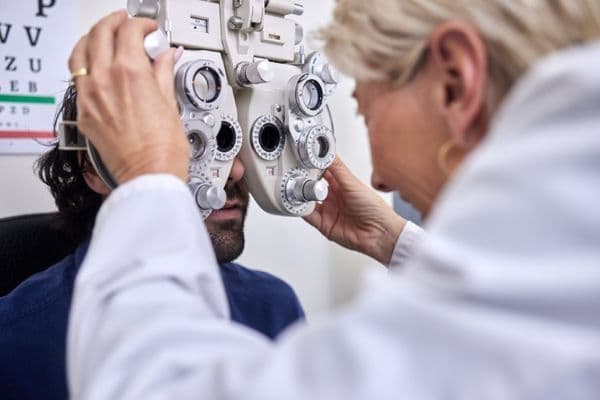
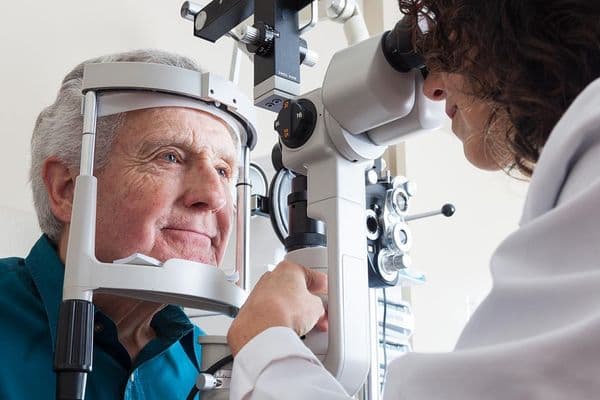
In an eye exam, where the optometrist is trying to get through a whole series of tests, a more unilateral approach might be required, says A/Prof Stubbe. “In this context, it’s helpful to explain how the examination will work, that you will be giving a lot of instructions and if the patient doesn’t understand, they should just let you know.”