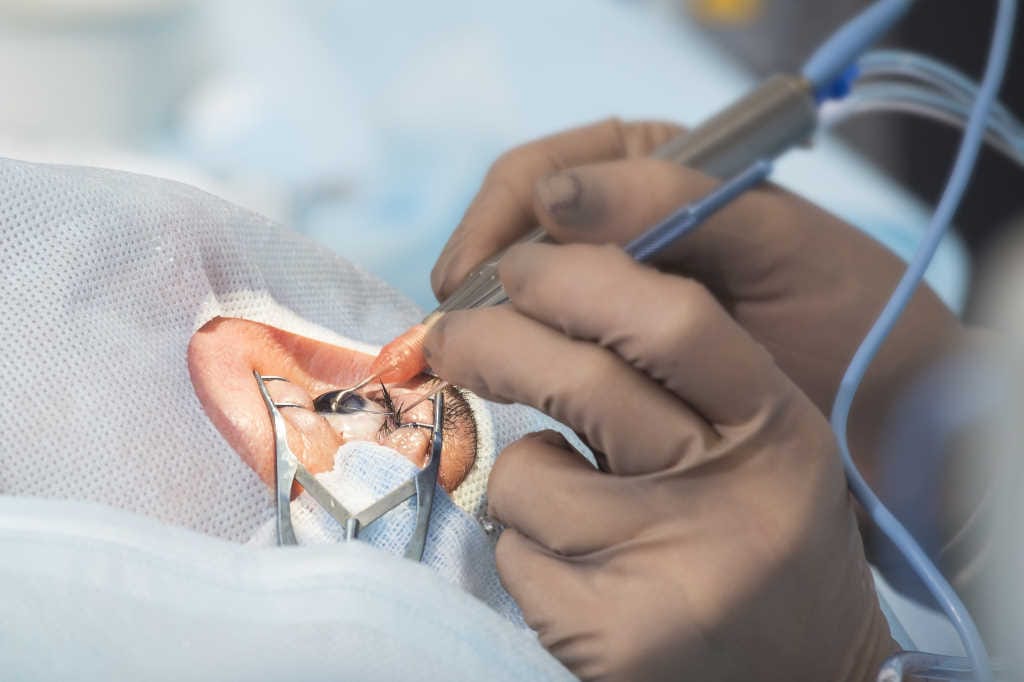
Across high-income countries, cataract surgery is one of the most commonly performed surgical procedures, improving vision and quality of life, slowing rates of cognitive decline and reducing risk of falls, hip fractures and road-traffic injuries. Conversely, under-treatment results in negative economic consequences, with lower employment participation from patients and their families that care for them. It is for these reasons that public spending on cataract surgery yields a significant return on investment, with the cost per quality-adjusted life year (QALY) gained ranking as one of the most favourable of any healthcare intervention.
Improving the provision of cataract surgery in New Zealand demands disruptive change
Drs Samuel Burridge, Jonathan Wood, Jesse Gale, Albie Covello, James McKelvie and Graham Wilson10 min read