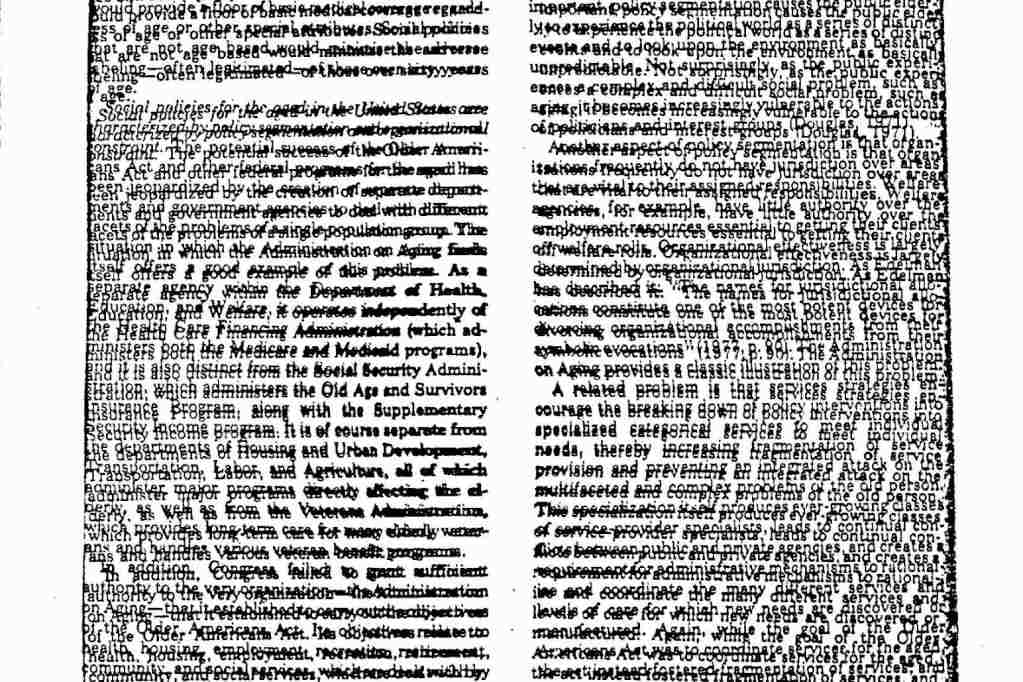
Visual stress, often called Irlen syndrome, describes a pattern of discomfort and distortion that shows up when a person is exposed to certain types of light, contrast or visual environments. It is far more than simply finding reading hard. Clients often describe words as moving or blurring, colours around the edges of print shimmering on the page, glare that feels overwhelming and a sense that the print is just too intense to look at for long. Many also experience headaches, nausea, eye strain, difficulty concentrating, reduced comprehension, depth-perception challenges and even anxiety because of how uncomfortable visual tasks can feel.
Although visual stress can coexist with dyslexia, the two conditions are not the same. Dyslexia is a phonological language-based difficulty. Visual stress is about how the brain processes sensory information. When both are present, each needs its own intervention. Reducing visual stress often helps clients feel more physically comfortable so they can engage more confidently in reading and learning, but it doesn’t replace literacy support.
Two main approaches are often talked about in relation to coloured filters. Colourimetry and the Irlen Method both aim to reduce visual discomfort but they are built on different clinical philosophies and are used in different environments.
Colourimetry is carried out using a machine under controlled lighting. This approach is very structured and focuses on sampling colour in a standardised way. It is designed for consistency and reproducibility, which is valuable for research and for prescribing within a tightly controlled clinical framework.
Contrastingly, the Irlen Method works in real-life lighting and with real tasks. Clients are assessed while reading and interacting with their environment under the same lighting that usually triggers their symptoms. This includes LED or fluorescent lighting, bright screens, glossy pages and changes in natural light. Because visual stress is so dependent on context, many people report that colours chosen in a natural environment feel more accurate and effective in daily life. This makes sense when we consider how different modern lighting sources are in their spectral output and why symptoms often show up only in specific settings.