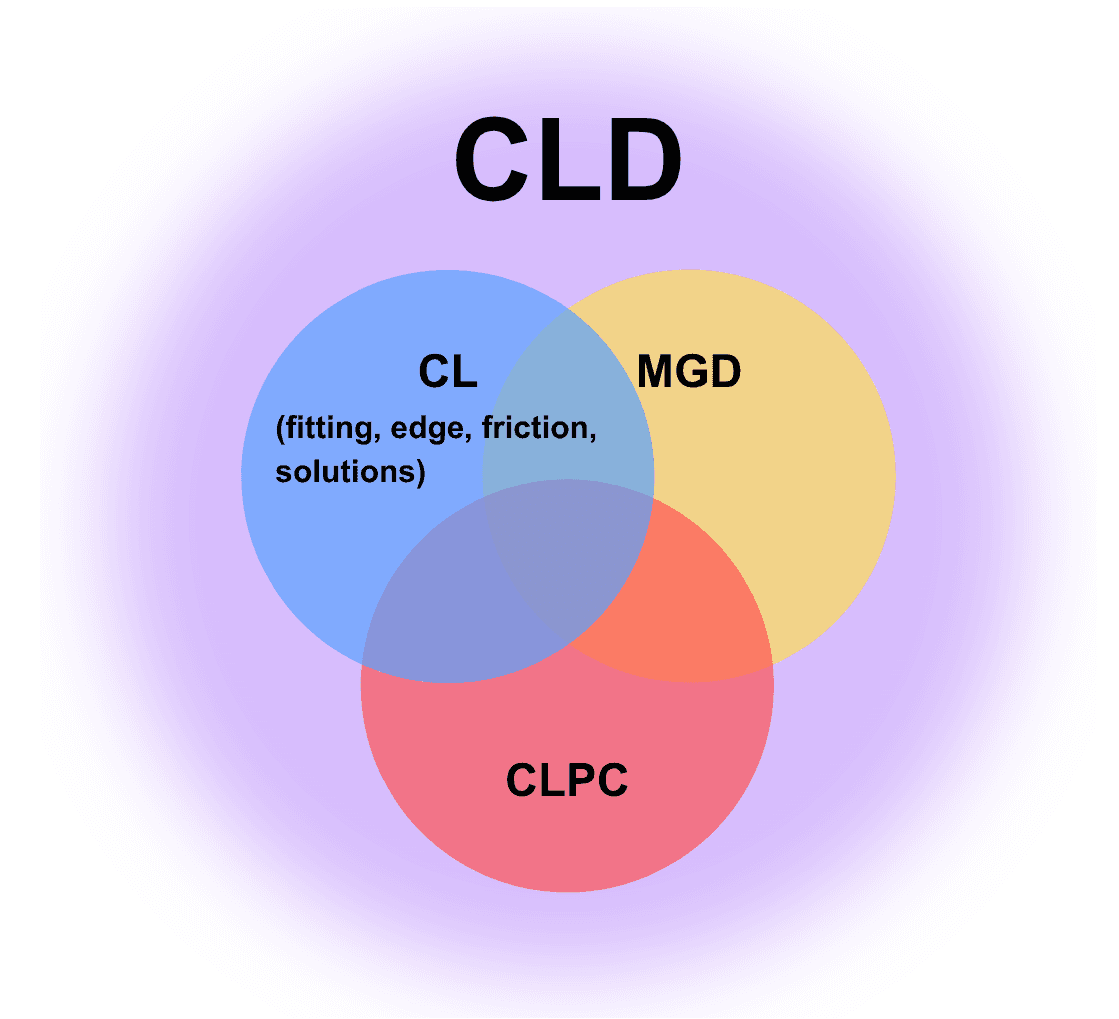
Contact lens discomfort (CLD) is a common and frustrating problem for both contact lens wearers and practitioners. While it may present as symptoms in the absence of signs, it may also be associated with signs of meibomian gland dysfunction (MGD)1,2, contact lens-induced papillary conjunctivitis (CLPC)3 or ocular surface staining related to lens fitting, lens edge, lid-related friction or care solution interactions with the ocular surface (Fig 1)4. These possible factors may occur in isolation or in combination with each other.
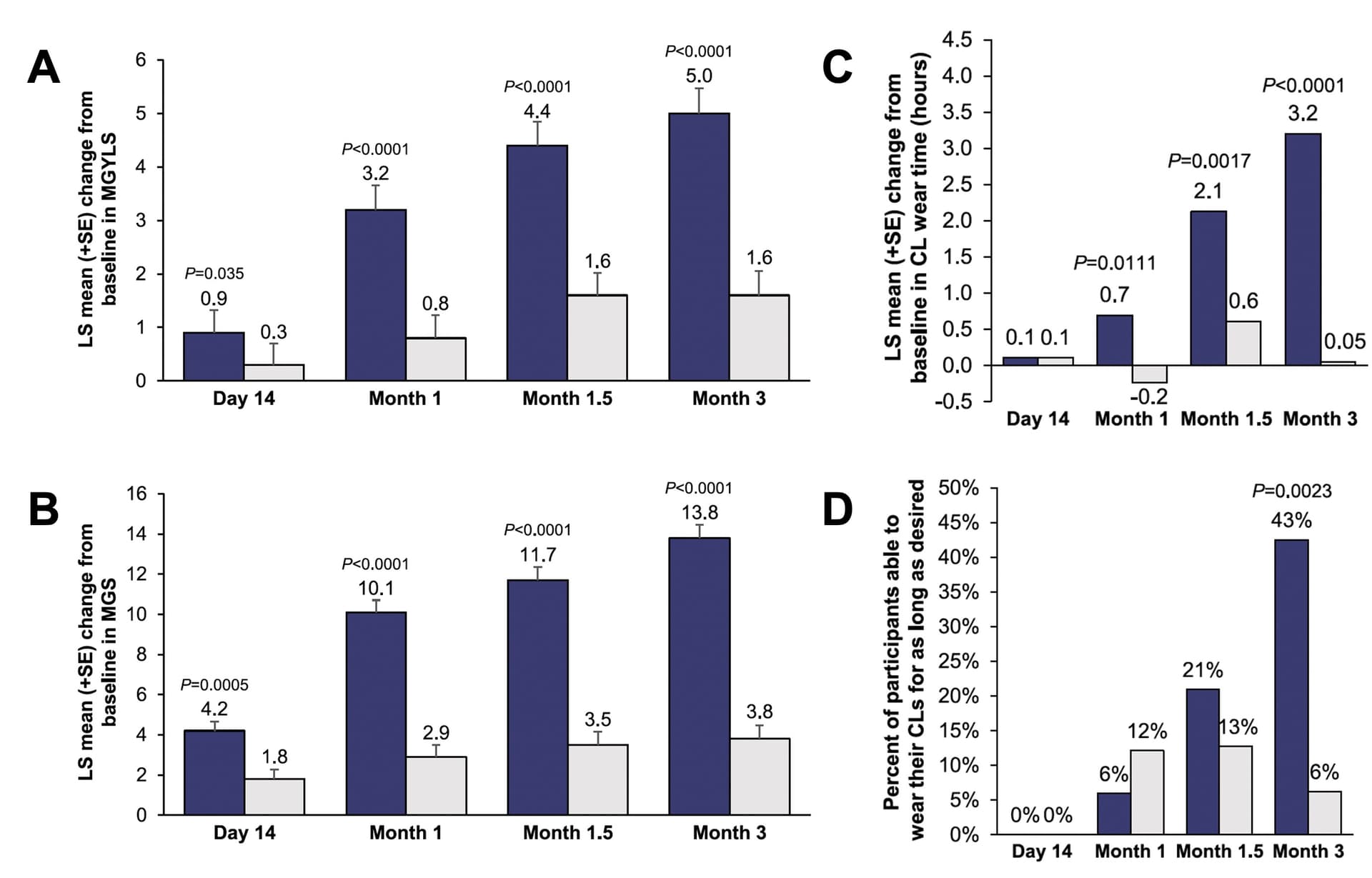
Where CLD is accompanied by signs of MGD, there is evidence that managing MGD results in an increase in the duration of comfortable CL wear and an improvement in lid and meibomian gland signs. Two recent papers described the treatment of CLD in wearers with MGD in phase 1 and phase 2 safety and efficacy studies using a novel selenium disulphide ointment designed for the treatment of MGD5,6.
The active ingredient in anti-dandruff shampoo, selenium disulphide acts as a keratolytic and increases sebum production by the sebaceous glands7 in the scalp, which is why sufferers of dandruff sometimes experience oily hair after anti-dandruff shampoo treatment. Meibomian glands are modified sebaceous glands and MGD is thought to involve both hyperkeratinisation causing blockage of the gland ducts and orifices and abnormal lipid production, which likely impacts tear stability8. Relevant MGD mechanisms may therefore be targeted by selenium disulphide.