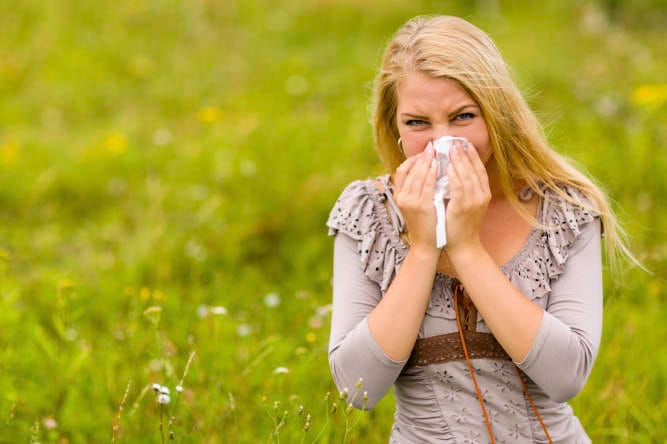
Ocular allergy represents a group of hypersensitivity disorders that primarily affects the conjunctiva.
The most common form of ocular allergy is seasonal allergic conjunctivitis (SAC), accounting for 90% of cases. The most prevalent allergens in SAC are grass, tree and weed pollen, and outdoor moulds. In the United Kingdom, the prevalence of ocular allergy to grass pollen in patients attending optometric practice is estimated to be 8% – no data is currently available from Australasian countries.
Similar to dry eye, although the signs and symptoms of SAC are usually mild, they may hinder school performance, work productivity and everyday tasks such as driving. The primary treatment strategy for SAC involves avoidance of the offending allergen to prevent the initiation of the allergic response. However, complete avoidance is not often possible and use of topical anti-allergic medications is required when signs and symptoms occur. While non-pharmacological treatments, such as artificial tears developed for dry eye and cold compresses have been used for many years, in conjunction with allergen avoidance strategies and anti-allergic medications to help bring about symptomatic relief, evidence showing the effectiveness of this approach has only relatively recently been published. In this study, patients had controlled exposure to grass pollen and either used cold compresses or artificial tears, resulting in therapeutic effects on the signs and symptoms of allergic conjunctivitis. A cold compress enhanced the use of epinastine (a mast cell stabiliser/antihistamine combination) and was the only treatment to reduce symptoms to baseline within an hour of antigenic challenge. Signs of allergic conjunctivitis were generally reduced most by a combination of cold compress and artificial tears or epinastine.
In a separate, recent study, acute allergic rhinoconjuctivitis has been shown to be characterised by tear hyperosmolarity, which can be rehabilitated with the administration of hypotonic artificial tears, much like dry eye.
Considerable overlap of reported symptoms of itch and dryness has been reported in groups with presumed dry eye and seasonal allergic conjunctivitis. As with ocular allergy, there can be seasonal (summer and winter) and weather-related aspects to dry eye symptoms. Similar biomarkers for the biological ‘diagnosis’ of both dry eye and ocular allergy have been proposed, along with imaging techniques such as in-vivo confocal microscopy, but these have not been adopted clinically.