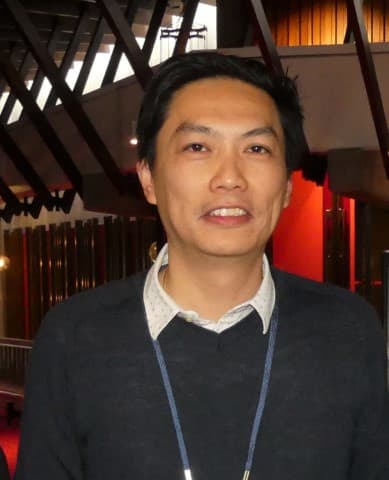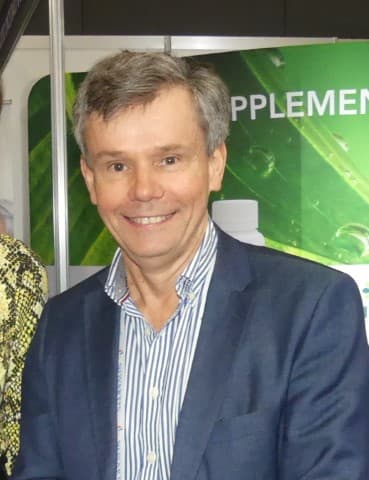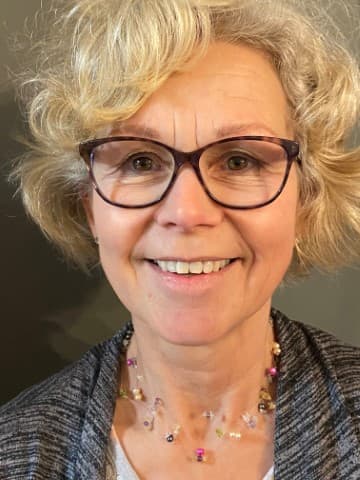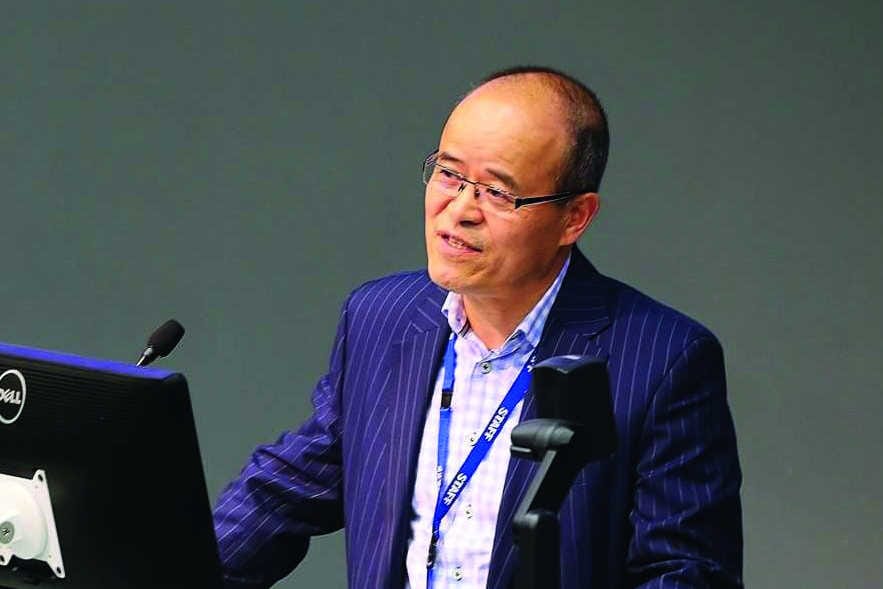
It was great to be able to attend this in-person Australian & New Zealand Strabismus Society (ANZSS) meeting and catch up with colleagues from around the country after the last couple of years of Covid disruptions. The large group of attendees happily generated lots of discussion throughout the meeting and especially with the panel during the live case studies on Friday afternoon and Saturday morning. Congratulations to the scientific organising committee for an excellent meeting, which was also well attended virtually.
The main guest speakers were Professor Frank Martin, University of Sydney, who spoke in person and started the meeting off, and Professor Ben Thompson of the University of Waterloo’s School of Optometry & Vision Science and an honorary professor with Auckland’s Liggins Institute, who joined virtually.
Prof Martin spoke of his experience with thyroid eye disease (TED) and strabismus. He began with a brief summary of the natural history of TED and the Rundle curve, then reviewed the recent randomised control trials with teprotumumab (Tepezza). Even with moderate side effects, the effects were so clear, the patients persevered. It now has FDA approval but is sadly unavailable in Australasia.
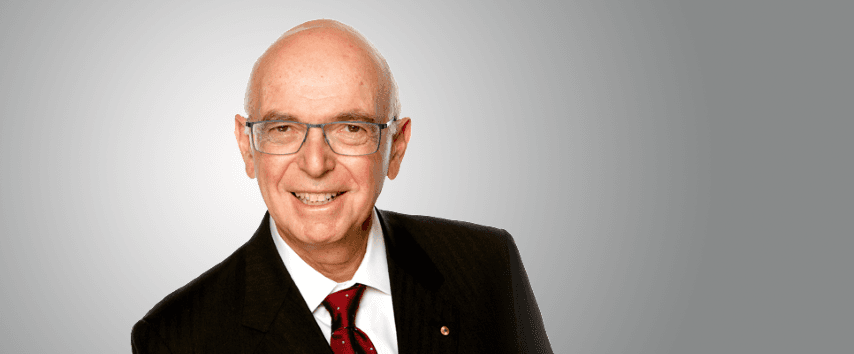
His summary was clarified by his extensive experience in the field and came with many useful pearls for these difficult cases. Prof Martin uses MRI of the ocular muscles to compare clinical examination with the scan findings and check the muscle size as this can affect the choice of surgery. He’s found no difference in outcome with local anaesthesia vs general, but cautioned these patients’ conjunctivas are very fragile. He recommended a competent assistant and to consider the secondary and tertiary actions of muscles such as the inferior rectus (IR). He also suggested covering one eye and if the head posture doesn’t straighten, it implies the other IR is tight. The forced duction test must demonstrate free movement at the end of the surgery. Tauranga’s Dr Cheefoong Chong commented that even after maximal surgery, TED can often be undercorrected. Prof Martin agreed but said he prefers the modified hang-back technique as the ocular muscles are so tight. He’s also stopped using adjustable sutures as he found no benefit.