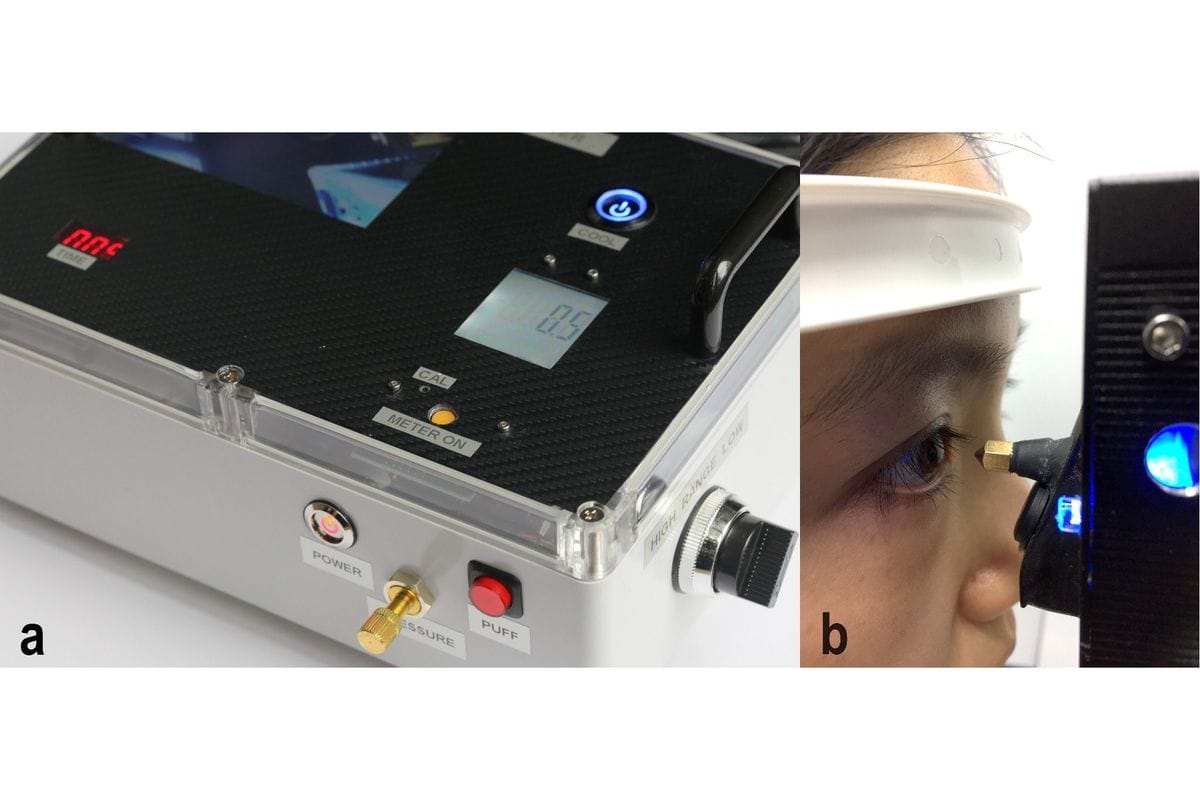
The Tear Film & Ocular Surface Society’s Dry Eye Workshop III (TFOS DEWS III) report defines dry eye disease (DED) as a multifactorial condition in which patients experience ocular symptoms due to a loss of tear film and/or ocular surface homeostasis¹. Key contributing factors are recognised to include not only tear film instability and hyperosmolarity, ocular surface inflammation and damage, but also neurosensory abnormalities.
The cornea’s dense sensory innervation is central to ocular surface homeostasis. With approximately 7,000 nerve terminals per square millimetre, the cornea is 300–600 times more sensitive than skin².
Corneal sensory nerves can be broadly grouped into three receptor types: polymodal nociceptors (60–70%), which respond to thermal, chemical and mechanical stimuli; mechano-nociceptors (20–30%), which respond primarily to mechanical stimulation; and cold thermoreceptors (10–15%), which are sensitive to cooling and to changes in tear osmolarity². Together, the nerves regulate tear secretion and blinking, support epithelial integrity and wound healing and protect the ocular surface from environmental stress. Damage or dysfunction can contribute to both the onset and persistence of ocular surface disease¹.
Clinically, corneal nerve dysfunction tends to present in two main, sometimes overlapping, forms. With a reduction in nerve density, and reduced corneal sensitivity in a neurotrophic state, epithelial maintenance and wound healing are compromised. In more advanced cases, this may progress to neurotrophic keratopathy, characterised by epithelial defects or even ulceration, despite relatively few symptoms.
At the other end of the spectrum, abnormal nerve regeneration and altered sensory signalling can lead to nociplastic or neuropathic corneal pain. Affected patients typically report burning, dryness, or ocular pain (allodynia) that appears to the clinician to be disproportionate to the clinical examination findings. Accordingly, DED and related ocular surface disorders can exhibit a range of clinical presentations. This perspective is reflected in the TFOS DEWS III Digest, which reports that both reduced and increased corneal sensitivity can be associated with DED and that variability exists even among patients diagnosed with the same dry eye subtype¹.