Dry eye disease is a common ocular surface disorder, resulting in one of the most frequently encountered complaints in ophthalmic practice. Whilst the disease is complex and multifactorial, inflammation is a common denominator in DED, which in turn causes further damage to the corneal epithelium and its underlying structures.
Several treatment modalities have been used to suppress inflammation, however, results are variable and the condition can be refractory in some cases. The use of amniotic membrane (AM) as another treatment modality in DED is an exciting clinical development and novel area of research.
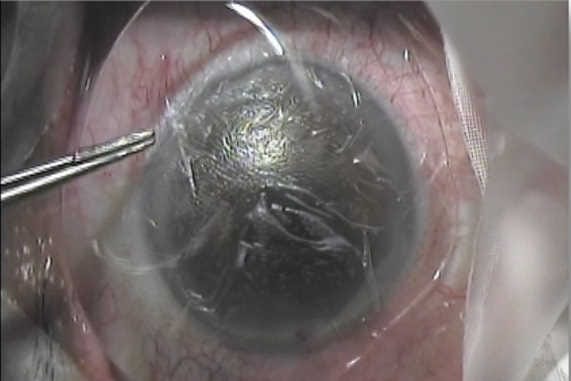
AM is part of the amnion and consists of a single layer of epithelial cells, a basement membrane. Its utility in DED treatment is attributed to its known potent anti-inflammatory properties. AM can either be grafted in theatre with sutures or glue or can be applied in an office setting. There are two types of AM that can be used: cryopreserved or dehydrated. They are proposed for use with specific, typically severe or refractory corneal and conjunctival disorders, including persistent epithelial defect, prevention of ocular complications associated with Stevens- Johnson syndrome and primary or recurrent pterygia. AM can also assist in wound healing and in preventing scar tissue formation as it has powerful antifibrotic and anti-scarring properties but is not typically used as a replacement for bandage contact lens use.
Treatment outcomes in the dry eye amniotic membrane (DREAM) study
McDonald MB, Sheha H, Tighe S et al.