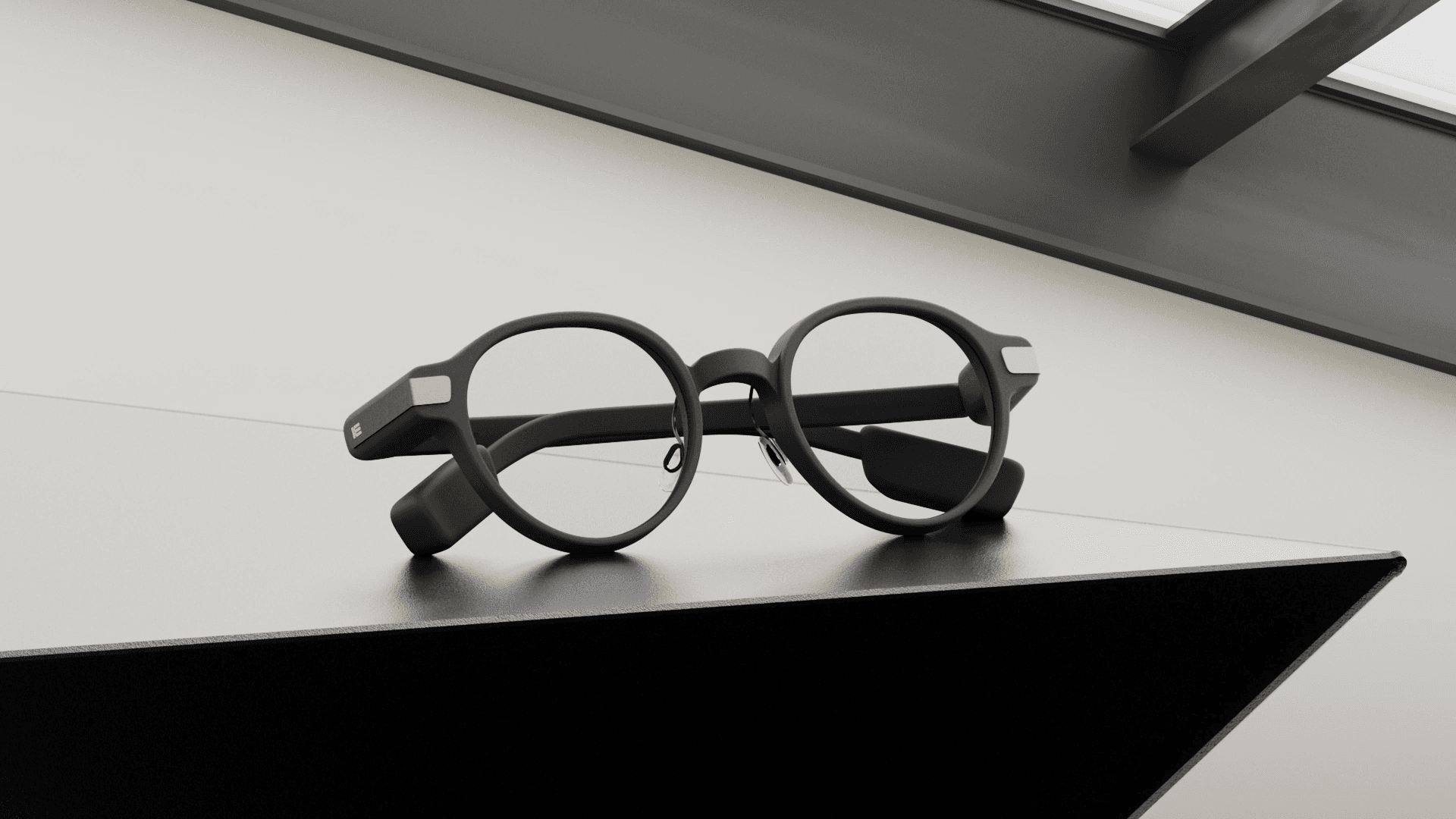
The advent of smartglasses is upon us and progressing rapidly, with brands such as Ray-Ban, Oakley and Even Realities at the forefront. However, there are questions about practicality, privacy and what it means to live in a world where computers rest on our faces.
The story of smartglasses began with Google Glass in 2012. It was revolutionary, an early attempt at augmented reality (AR), but it also became infamous. Users faced backlash over privacy concerns, the design looked awkward and its price kept it out of most people’s reach. Google Glass didn’t win the mainstream, but it did prove something important: there was potential.
Today, advances in miniaturisation, AI and battery technology mean smartglasses no longer look like gadgets strapped to your face. Instead, they resemble stylish sunglasses or optical frames. This shift has brought new momentum to the category, with major players seeking to find the balance between technology, usability and design.
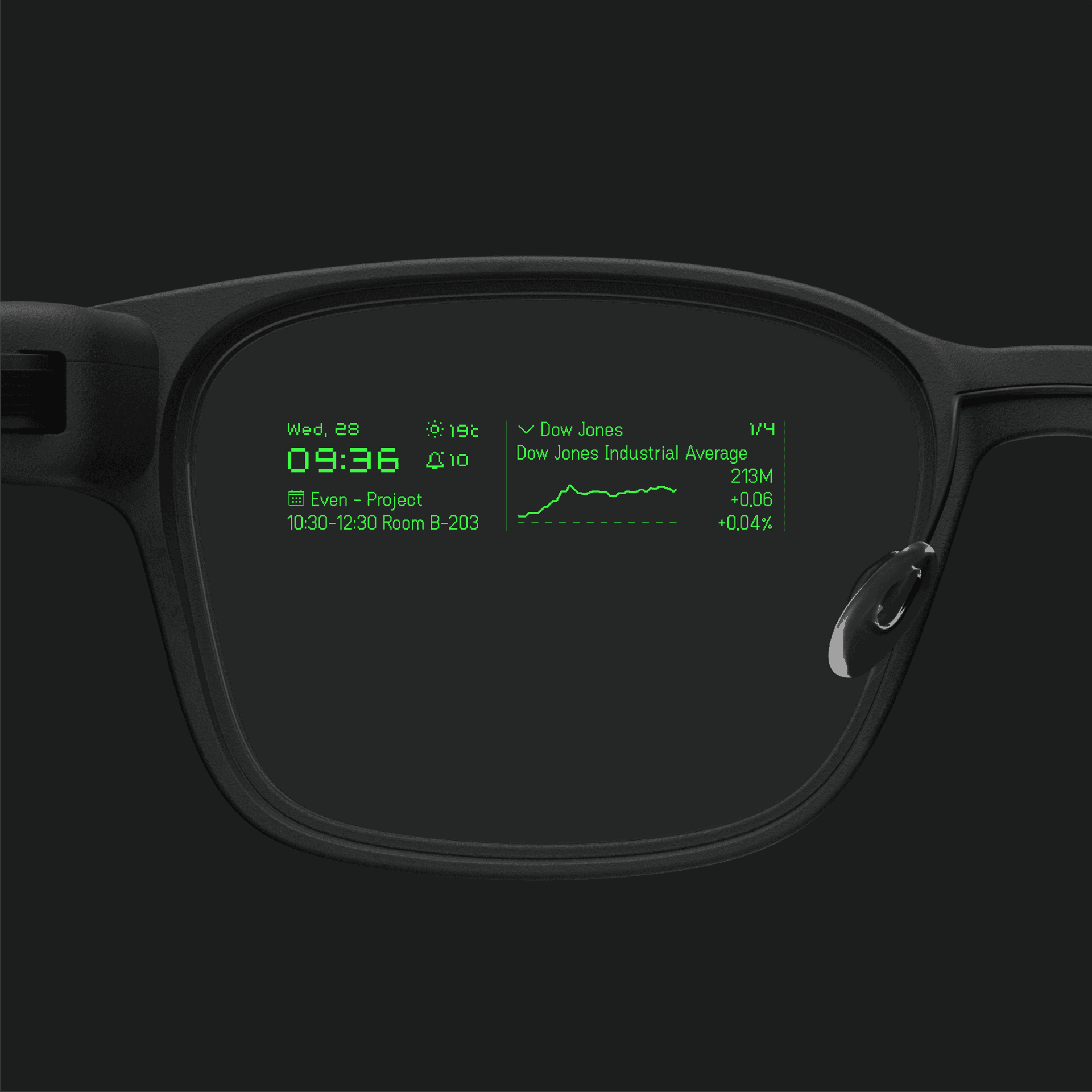
Smartglasses offer benefits that smartphones and smartwatches can’t quite match, allowing the wearer to control music, answer calls, or take photos or videos hands-free. Various models offer AR navigation cues, real-time linguistic translation and other data can appear right where you need it – within your visual field. Some offer professional applications, with engineers and technicians able to access instructions mid-task. Unlike early prototypes, today’s designs are fashionable enough to wear daily. These benefits, however, come with trade-offs, especially when it comes to battery life.
Incorporating cameras, speakers, displays and wireless connectivity into small frames means space is tight. Ray-Ban Meta provides four to six hours of active use before needing a recharge in its case. That’s fine for casual outings, but not all-day wear. The Oakley HSTN prioritises lightweight design and style, so battery performance is modest, often less than a full day of continuous use. Manufacturers are working on more efficient chips and lighter batteries, but for now, smartglasses remain a charge-daily device.