NASA astronaut Dr Michael Barratt’s own vision changes aboard the International Space Station (ISS) helped identify spaceflight-associated neuro-ocular syndrome (SANS), a now-recognised risk of long-duration spaceflight and a continuing focus of NASA’s ocular research.
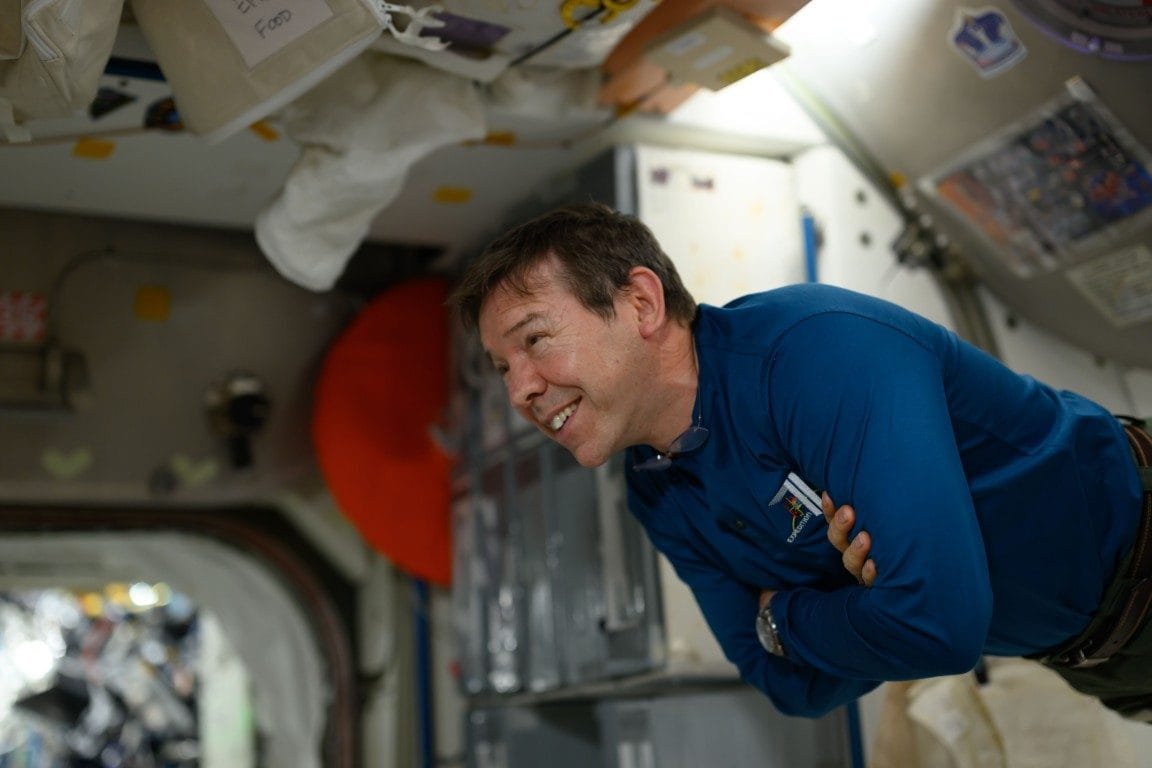
In 2009, Dr Barratt completed a six-month ISS mission as flight engineer. As the mission progressed, he and Canadian Space Agency astronaut Dr Robert ‘Bob’ Thirsk reported having trouble reading research procedures. Stronger reading glasses helped, but further examination revealed signs now associated with SANS, including optic disc swelling and flattening at the back of the eye.
NASA has since said weightlessness can shift blood and cerebrospinal fluid towards the head, contributing to eye and brain changes. NASA said SANS is associated with optic disc oedema, chorioretinal folds, posterior globe flattening and hyperopic shift, though its cause remains unclear and is thought to involve multiple factors. These may include headward fluid shift, possibly causing increased intraocular pressure, blood-vessel changes, inflammation, CO2 exposure, radiation, genetics and vitamin B status. Around 70% of crew members on long-duration ISS missions show signs of SANS, with significant individual variability, said NASA.
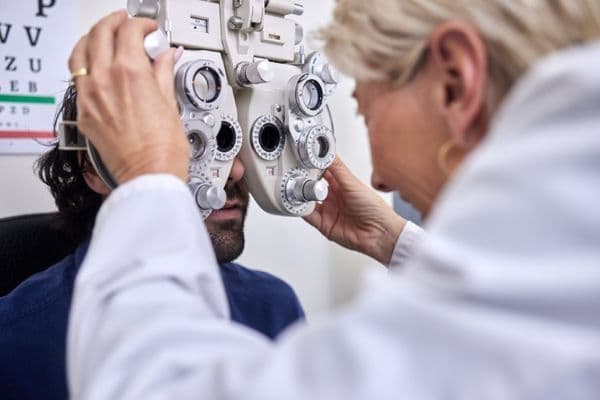
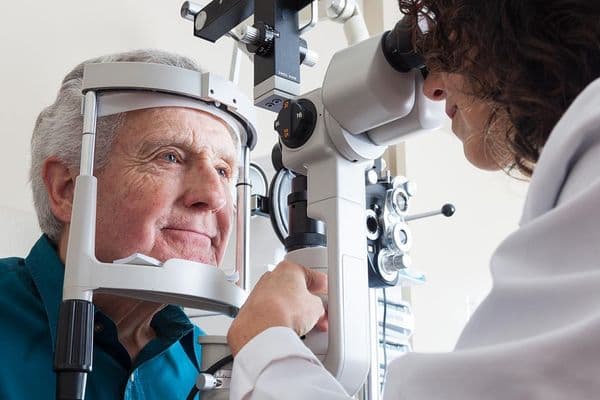
Expedition 71 marked Dr Barratt’s 2024 return to the ISS, where he joined NASA’s ‘complement of integrated protocols for human exploration research’ (CIPHER), a suite of 14 studies examining how extended spaceflight affects the human body. In July 2024, NASA reported Dr Barratt underwent retinal-function testing, with sensors placed beside his eyes to measure the retina’s response to light. Crew members also performed ultrasound scans of the cornea, lens and optic nerve, with doctors on Earth monitoring the imaging in real time.
The crew also supported ‘B-complex’, NASA’s nutraceutical SANS countermeasure study. The investigation is testing whether vitamin B supplementation before, during and after spaceflight can prevent or reduce swelling at the back of the eye. It combines blood tests, genetic analysis and eye exams to assess whether individual genetic differences influence astronauts’ response.