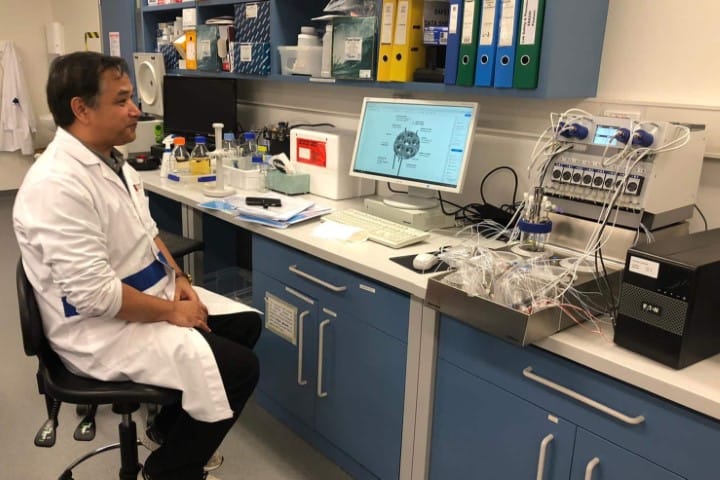
A Macquarie University team has discovered that damaging a key protein can weaken Acinetobacter baumannii – an antibiotic-resistant bacterium able to survive for a year on dry hospital walls.
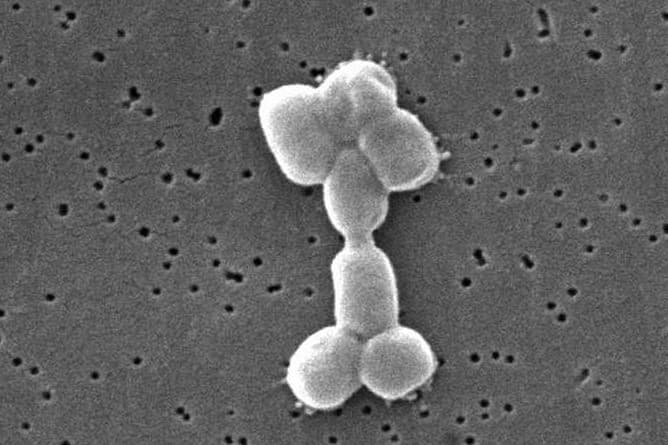
The team found disrupting the regulatory protein DksA leads to changes in about 20% of A baumannii’s genome and breaks the pumping system which usually removes antibiotics and toxic metals from the bacterium, explained study lead Dr Ram Maharjan. “Not only does this protein control stress response, but it also controls virulence. Our disruption caused A baumannii to be completely undetected in the blood of both Galleria mellonella (a moth) and mice. (The bacterium) also becomes super sticky and harmlessly sticks to organs.”