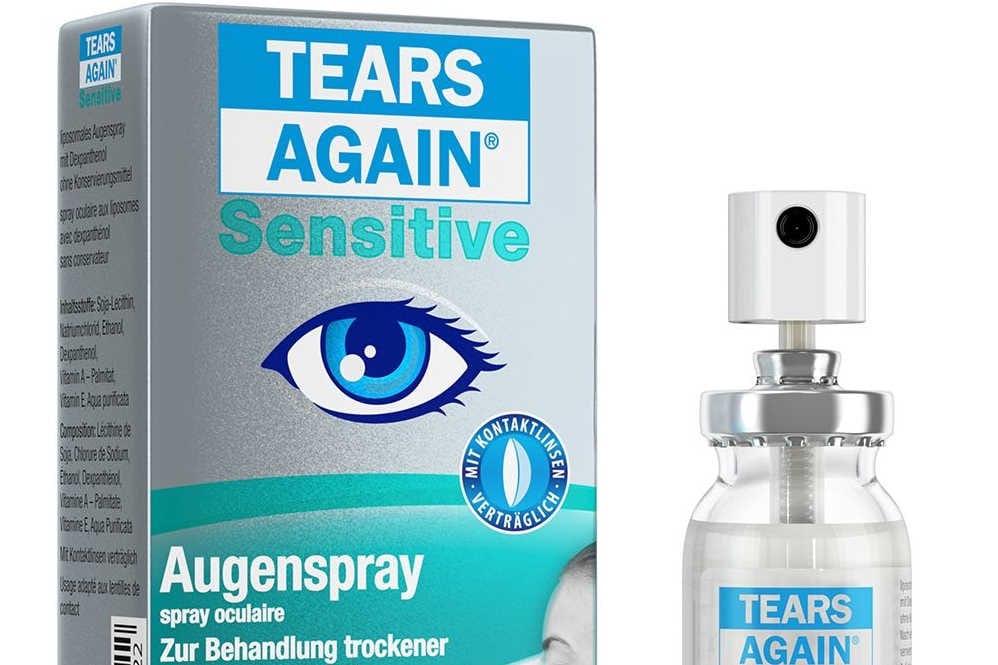
Dry eye disease (DED) can be described as aqueous-deficient and/or evaporative dry eye1, the latter being more common (78%)2. The lipid layer of tears plays an important role in inhibiting tear film evaporation and in spreading the tears across the ocular surface3. This lipid layer stabilises the tear film, providing a surface tension decrease and 90-95% reduction in aqueous evaporation4.
Premium subscriber content
Sign in if you have a Digital or Print + Digital subscription. Don’t have one yet? Digital subscribers get full access to this article from $40/year +GST.
- Premium exclusive content
- Full digital magazine archive
- Early access to new articles