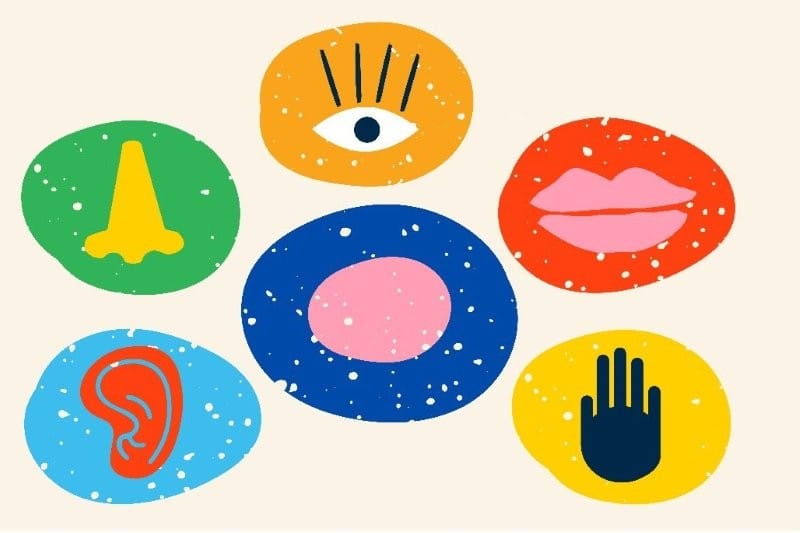
Drew Jones uncovers the intriguing phenomenon of synaesthesia – a ‘crosstalk’ between the five senses which can produce extraordinary experiences for those with the condition – and how it’s inspiring technologies to help the visually impaired picture their environment.
“As a child, I had a neighbour who was distinctly orange – his hair, his VW Beetle and even his name. I remember being amazed by his uniformity, so I asked my friend if she thought his name was orange as well. That’s when I discovered that I saw things differently from other people,” says US artist Cassandra Miller. Miller has at least two forms of synaesthesia: a ‘merging’ of senses where she sees colours shifting in and out of view when she hears music (chromesthesia); and letters and numbers having distinct tones and personalities (grapheme-colour synaesthesia).
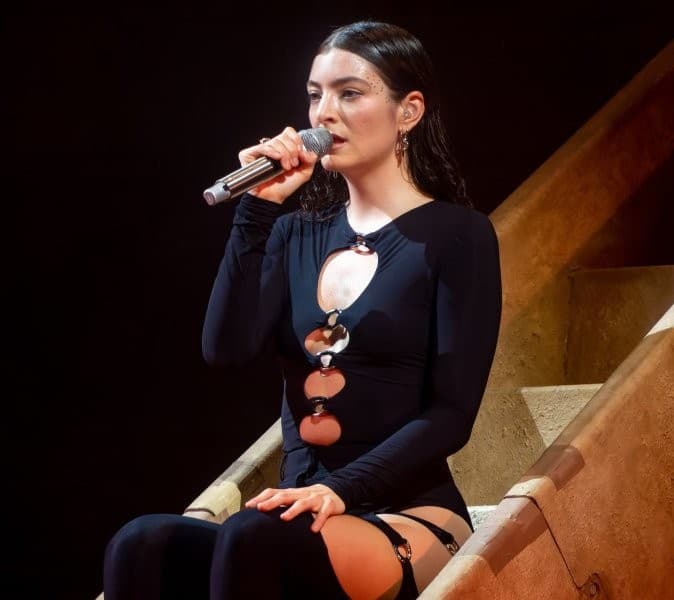
New Zealand pop star Lorde has chromesthesia too. She told Far Out magazine her condition led to a song being initially discounted for inclusion on her 2013 debut album Pure Heroine. “When we first started ‘Tennis Court’, we just had (a keyboard sound) playing the chords and it was the worst textured tan colour – like, really dated – and it made me feel sick. Then we figured out the pre-chorus and I started the lyric and the song changed to all these incredible greens overnight!”